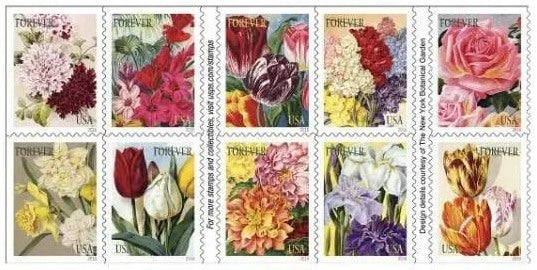
Floral stamps get chosen by colour, which works but leaves something on the table. Flowers carry established meanings, and matching one to the occasion is a detail a certain kind of recipient will notice.
Here is the traditional symbolism, and where each fits.
Weddings
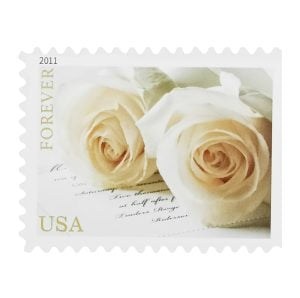
Roses — love and devotion, the default for a reason. Lilies — traditional and formal, suited to a classic ceremony.
For something less expected, peonies read as prosperity and a happy marriage, and sunflowers bring warmth rather than formality. Both work for a modern wedding where roses would feel obvious.
The practical constraint: match the stamp's palette to the invitation. A soft pastel design disappears on dark or heavily textured stock, and you will not notice until the sheet is in front of you.
Birthdays
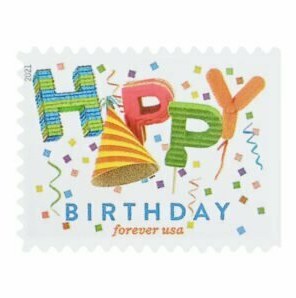
Bright and uncomplicated. Sunflowers and dahlias carry cheer without any freight; gerberas and marigolds are the right register for children's cards.
For an adult birthday where you want something more considered, orchids read as refinement and camellias as admiration — both quieter than a bold bloom and better suited to a milestone.
Anniversaries
This is where symbolism earns its place. Roses and orchids signal lasting love, which suits a long anniversary. Tulips traditionally mean perfect love and care — a better fit for an early one, where permanence is not yet the point.
Matching the flower to how long they have been married is the sort of detail nobody expects and some people notice.
Thank-you notes
Sweet pea is the traditional flower of gratitude — the most literally correct choice available for a thank-you card. Larkspur and lavender both convey grace without being effusive, which suits a professional thank-you where warmth needs a ceiling.
Best deals on Forever stamps
Older floral issues are worth seeking out and often cost less than current releases. The 2011 white roses design remains a wedding staple; the 2014 orchid and 2018 peony issues both pair well with newer stamps if you like a layered look on an envelope.
Because they are Forever stamps, an older sheet still covers a one-ounce letter today — the only thing you lose by buying a retired design is choice, and the only thing you gain is that it costs less and nobody else is using it.
A note on mixing old and new
Two or three related floral designs across a mailing looks deliberate. Two unrelated ones looks like you ran out.
If you are combining issues, keep them within one palette or one botanical family. The effect you want is a collection; the effect to avoid is a substitution.
Where to buy
The USPS official store for current floral releases, or a verified surplus channel such as Forever Stamp Center for retired designs and volume.
The short version
Sweet pea for thanks, tulips for a young marriage, roses or orchids for a long one, sunflowers when you want warmth over formality. Check the design against your actual paper before buying a hundred, and keep mixed designs within one palette.
More on buying Forever stamps
- 👉 Floral Stamps Are the Most Useful Category You Can Stock
- 👉 Eight Cents a Stamp, a Thousand Letters a Month
- 👉 Assemble One Invitation and Take It to the Counter

Currently working at USPS in Chicago, he has more than 15 years of experience in bulk mailing and logistics. His columns focus on Forever Stamp trends, helping businesses and individuals make cost‑effective mailing decisions.
