

A direct mail firm bought 50 coils of Flag stamps for a large seasonal mailer and left them in a supply closet that shared a wall with a leaking pipe.
By Monday they were a single fused brick. $3,000 of postage, unusable, with no refund route — moisture damage is not a claimable loss.
At $0.78 apiece, bulk postage is a high-value asset sitting in a cupboard. It has three enemies: moisture, theft, and disorganization.
Storage: treat it like a humidor
Paper absorbs water and adhesive reacts to heat. A desk drawer is fine for ten stamps and negligent for ten thousand.
- The container. Not cardboard — cardboard is a sponge. Airtight food containers with a rubber gasket, the kind sold for dry pasta.
- The desiccant. Two large silica gel packets per container, bought in bulk from any general retailer. They dry the microclimate inside the box rather than the room.
- The location. Never under a sink, never on the floor, ideally an interior room with stable temperature.
The test of the system is a weekend when the air conditioning fails. Sealed stock stays crisp; loose coils in a drawer become a ball.
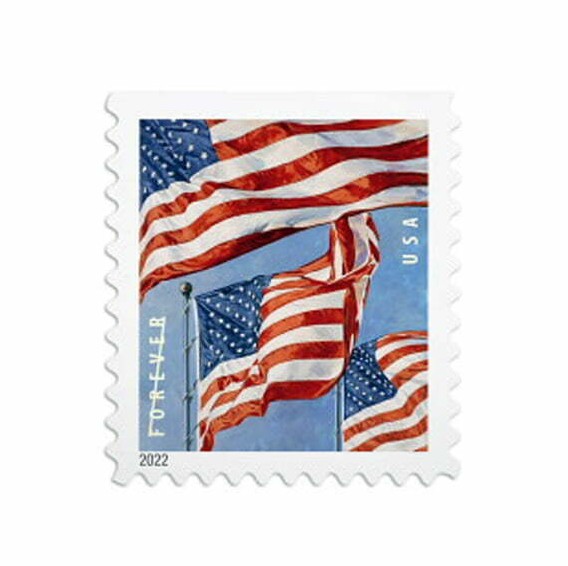
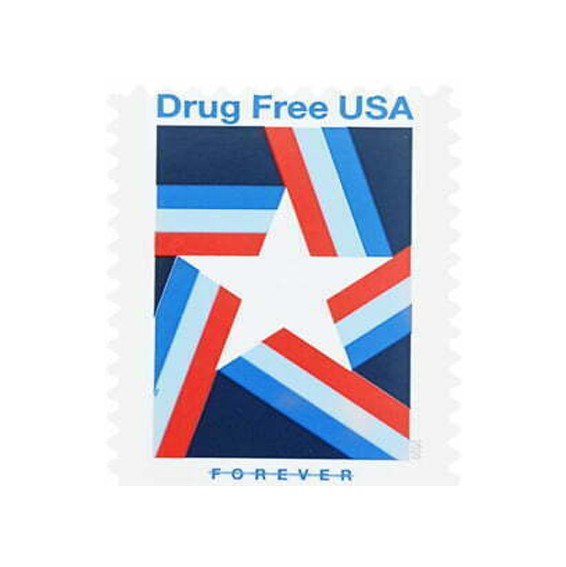
Best deals on Forever stamps

Theft: stamps are bearer instruments
Postage is liquid, untraceable and pocketable, and taking one does not feel like taking money — it feels like taking a pen.
One open-shelf policy produced usage of 500 stamps a week against 350 letters actually mailed. That gap is $117 a week leaving the building.
The fix is procedural, not accusatory: bulk inventory in a locked cabinet with two key-holders, a sign-out log recording date, time and coil count of 100, and a physical count every Friday afternoon. Shrinkage goes to zero, because the temptation is removed rather than policed.
Organize by rate, not by design
Once you hold five categories — Flags, art stamps, Global, postcard, two-ounce — a shelf of coils is indistinguishable. Colour-code the containers with painter's tape:
- Blue — standard one-ounce Flags
- Green — Global Forever
- Yellow — additional-ounce and low denominations
- Red — emergency reserve, not for daily use
Rotate oldest first
Forever stamps never expire in value, but adhesive degrades over 5–10 years. A roll of 2018 stamps found at the back of a drawer may simply refuse to release from the backing, and an hour spent trying to rescue $50 of postage is an hour lost.
Label every container with its purchase date, use the oldest first, and let nothing sit longer than 12 months.
Set reorder thresholds
Track postage as a consumable with a minimum of 500 stamps triggering a reorder and a maximum of 5,000 to prevent over-buying you then have to store.
The minimum matters most: it prevents the panic run to the counter at full retail because nobody checked the cupboard.
Where to buy
The USPS official store for retail fill-ins, or a verified surplus channel such as Forever Stamp Center for the bulk stock that goes into storage. Bulk offers arriving by spam email or social ad are counterfeit. Service and security notices are posted in the USPS service alerts.
The short version
Your stamps are cash on a shelf. Seal them with a desiccant, lock them up, log what leaves, rotate annually, and set a reorder floor so you never buy at retail out of panic.
More on buying Forever stamps
- 👉 Where to Buy US Postage Stamps for Sale at the Cheapest Price
- 👉 Rigid Invitations Are Parcels
- 👉 The Line Item Nobody Puts in the Wedding Budget

Stamp enthusiast and part‑time columnist based in Los Angeles. With a background in office administration and a personal passion for collecting Forever Stamps, she provides readers with practical tips on buying, storing, and using stamps effectively.
