

A university system mails 15,000 acceptance packets inside a three-week window each year. One year they were told that applicants no longer cared about mail, and to send email instead.
Enrollment yield fell 18%. The follow-up survey was blunt: students said they did not feel accepted, they had received a PDF.
The saving was $12,000 in postage. The cost was around $4 million in tuition revenue.
Then the second mistake, which was worse
Pivoting back to paper in a hurry, the office bought 10,000 stamps from a liquidation site advertising 35% off, and mailed the first 2,000 acceptances.
Three days later the sorting facility called: 40 trays seized, postage counterfeit. Two thousand students waiting on an admissions decision, and nothing was coming.
Everything had to be reprinted, re-stamped at full retail, and sent overnight. A $3,000 saving became $25,000 of emergency remediation, plus the part that does not appear on any invoice — two thousand families waiting an extra week.
The rule that came out of it: above 25% off, it is not surplus. And on institutional mail, the liability is yours.
Best deals on Forever stamps

Standardize on one stamp
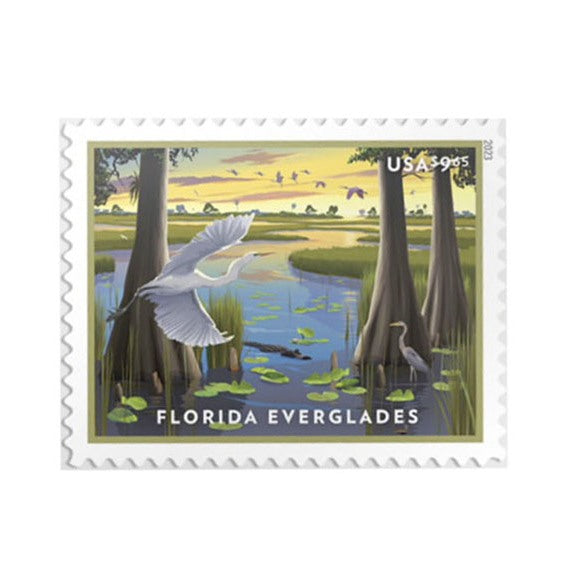
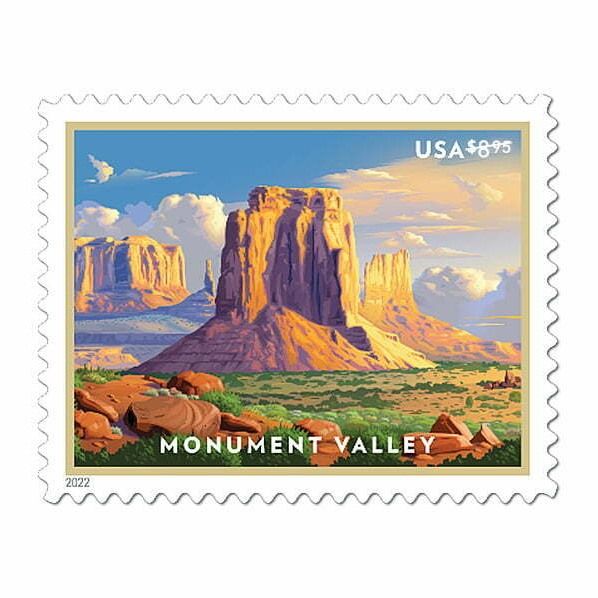
At this volume, variety is a defect. Three reasons the Flag coil is the only SKU:
- Machine compatibility. High-speed affixing equipment runs coils cleanly and jams on sheets.
- Supply depth. Surplus channels hold Flags in the millions; themed issues run out partway through a 15,000-piece job.
- Tone. An acceptance letter should read as institutional. A floral stamp reads as an invitation to a party.
Three sourcing tiers
Compliance mail — visa documentation and legal contracts go through the USPS at retail, $0.78, for full chain of custody. No discount is worth touching here.
Volume — the 15,000 acceptance packets, bought as surplus coils in blocks of 50 coils (5,000 stamps) at about $0.62:
- Retail: 15,000 × $0.78 = $11,700
- Surplus: 15,000 × $0.62 = $9,300
- Difference: $2,400 — which funds the accepted-student event
Emergency — when a machine ruins a coil late on a Friday, someone buys retail locally. It costs more; stopping the line costs more still.
The budget-year collision
Institutional budgets are typically set in July. Postal rate adjustments have also tended to land in July. Budget $40,000 for postage in June and absorb a 5% increase weeks later, and you are $2,000 over before term starts.
The response is to pre-buy the autumn semester in May — currently 30,000 stamps held at $0.62. If the rate reaches $0.82, that volume is insulated, and it is volume the institution will certainly send.
Lean thinking treats inventory as waste, and for most consumables that is right. Postage is the exception, because it does not spoil, does not obsolete, and its price only moves one way. Announced changes are posted in the USPS newsroom and reviewed at the Postal Regulatory Commission beforehand.
Where to buy
The USPS official store for compliance mail, or a verified surplus channel such as Forever Stamp Center for the seasonal volume — bought in May, not in the week you need it.
The short version
Send the physical letter when the letter is the point. Standardize on one coil SKU, buy the season's volume ahead of the July adjustment, keep compliance mail at retail, and treat any discount past 25% as a threat to the mailing rather than a saving.
More on buying Forever stamps
- 👉 A Stamp Order That Cost a Listing
- 👉 A Practical Bulk Mailing Workflow for Small Businesses
- 👉 Paying a Yearly Fee for the Privilege of Buying Postage

Stamp enthusiast and part‑time columnist based in Los Angeles. With a background in office administration and a personal passion for collecting Forever Stamps, she provides readers with practical tips on buying, storing, and using stamps effectively.
