In branding, longevity is measured by how long something stays on a desk before it is thrown away. For physical mail, the stamp has a disproportionate effect on that number — and most designers treat it as a fee rather than a design element.
The case, with a number attached
On a run of 500 anniversary invitations, switching from a standard Flag issue to a heritage series produced a 30% increase in social sharing of the mailing compared with previous runs.
People were photographing the envelope before opening it. That is the whole argument: the stamp is the first designed surface the recipient touches, and it costs the same to make it interesting.
One landscape architect's 40th-anniversary mailing went out in tubes sealed with mixed heritage issues from the 1970s and 80s. Three months later a client still had the tube displayed on a mantelpiece. The 1978 Architecture-series stamp is what made it worth keeping.
Utility versus heirloom
| Design choice | Utility approach | Heritage approach |
|---|---|---|
| Postage | Meter or printed label | Heritage Forever stamps |
| Visual register | Transactional | Emotionally resonant |
| Retention | Discarded with the envelope | Envelope frequently kept |
| Perceived tier | Generic, efficient | Curated |
Best deals on Forever stamps
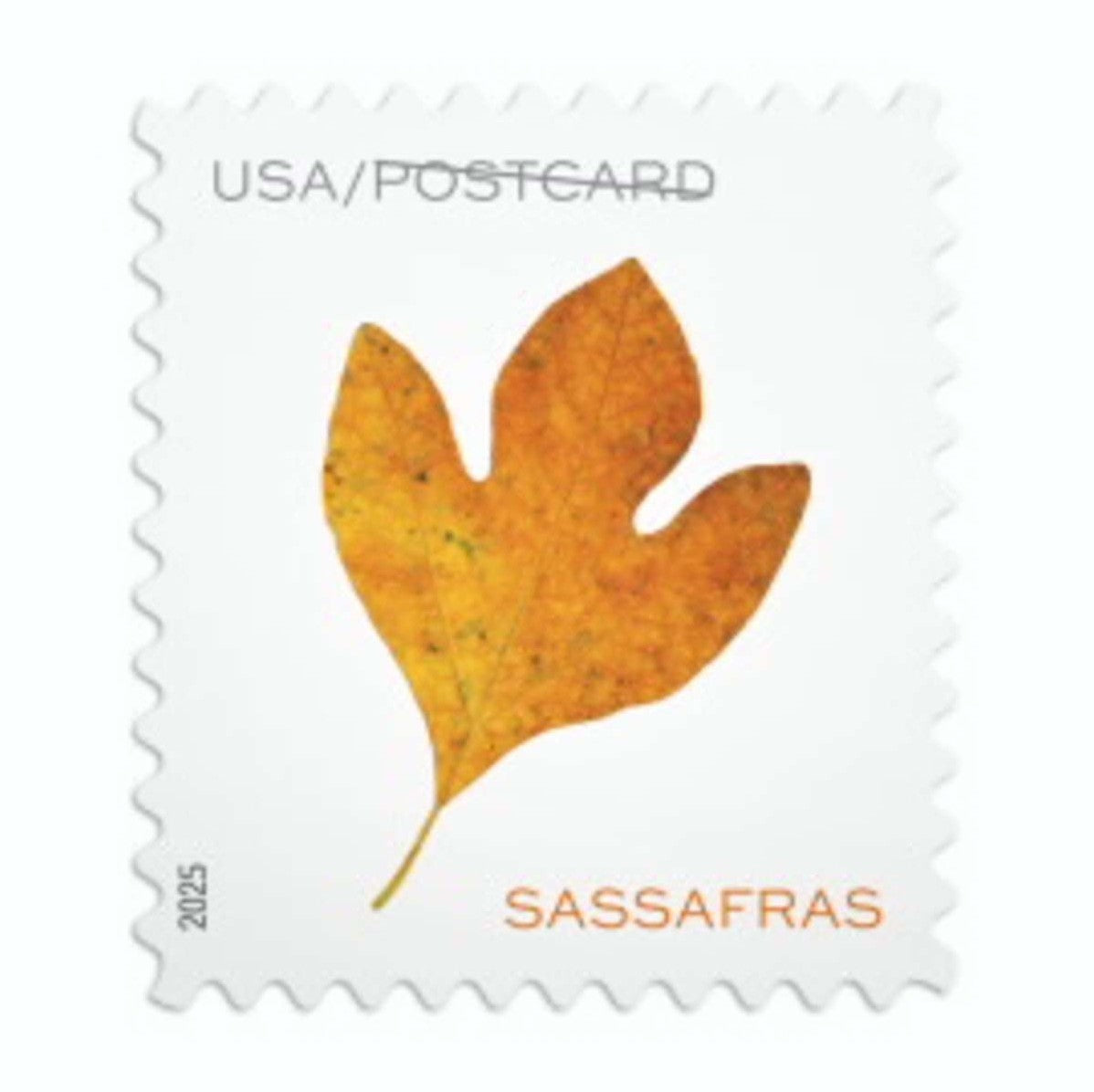
The sourcing problem
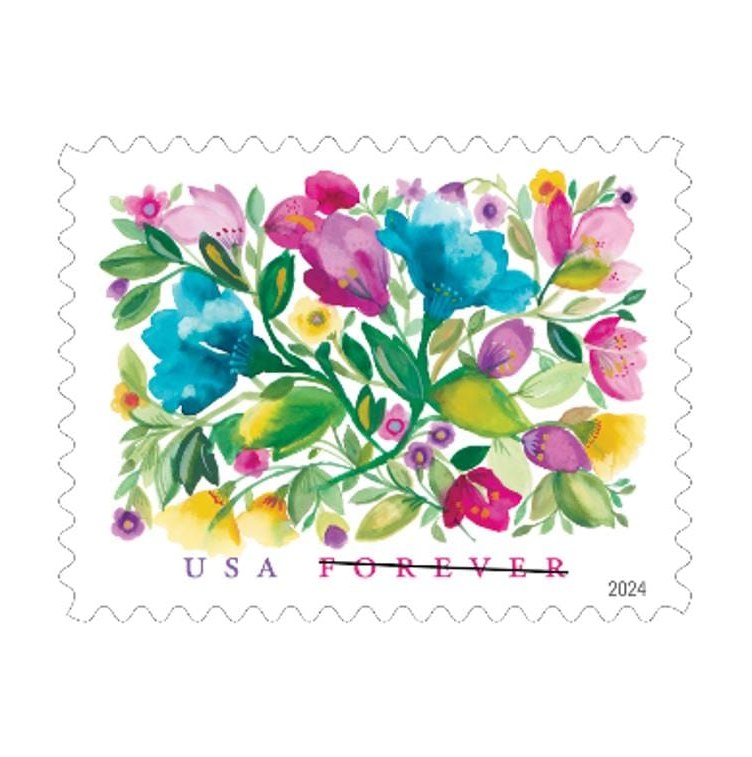
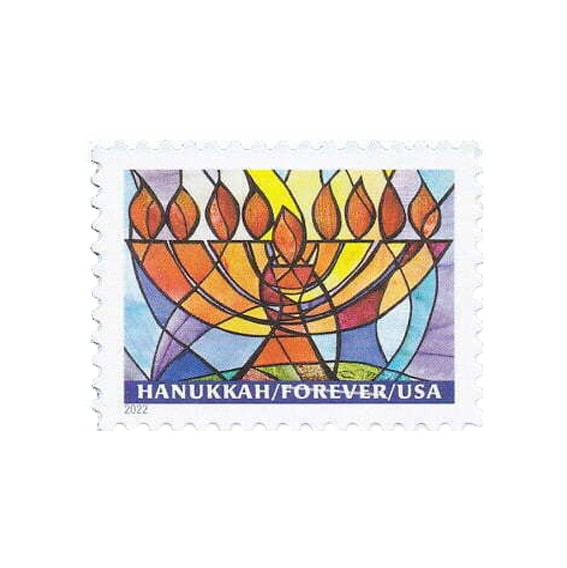
Walking into a post office and asking for 1,000 identical stamps from a discontinued series is not a plan. Current issues are what counters stock.
Older series reach the secondary market through dormant inventory — stock held in secure storage for years and released in quantity. That is the only realistic route to a consistent heritage look across a large mailing, and it is why verified surplus channels matter to designers specifically.
Adhesion: the technical catch
This is the detail that ruins otherwise beautiful mailings.
Older heritage stamps frequently use different gum structures from modern self-adhesives, and they do not bond reliably to every modern paper. On textured or heavily coated cotton stock, a stamp that looks attached at the desk can lift in the sorting machinery.
Reinforcing with adhesive on textured papers should be standard procedure for heritage work. The Smithsonian National Postal Museum has published research on stamp adhesives that is genuinely useful here rather than merely interesting.
A note on "investment"
Heritage Forever stamps bought in bulk are worth holding, but be precise about why.
They do not appreciate in monetary terms. What they hold is utility — a Forever stamp stays valid at the current one-ounce rate no matter how many increases follow, so stock bought before an adjustment retains its purchasing power. Rates move on a published schedule from the Postal Regulatory Commission.
That makes a postage reserve a sensible hedge for a studio with steady mailing volume. It does not make it a collectible investment, and anyone selling it as one is selling something else.
The counterfeit angle specific to this niche
"Heritage" and "vintage" are favored keywords for counterfeit sellers, often at 80% off. The irony is exact: fake postage on a mailing whose entire purpose was to signal craft.
These are detected at regional hubs monitored by the USPS Office of Inspector General, and a design studio whose luxury launch is seized has damaged the one thing it was selling. Clients who collect will also simply notice — wrong fluorescence under a pen light is not subtle to someone who handles stamps.
Claims of "stockroom liquidations" of decades-old stamps at half price are false. Legitimate surplus runs 10–25% off through established channels.
Where to buy
The USPS official store for current issues, or a verified surplus channel such as Forever Stamp Center for older series in quantity. Background on postal design history is at the USPS history archives, and the SBA has material on artisan production economics.
The short version
The stamp is the first designed surface the recipient touches, and a heritage series measurably increases the chance the envelope survives. Source from surplus channels, reinforce adhesion on textured stock, and treat a postage reserve as a hedge rather than an investment.
More on buying Forever stamps
- 👉 The Charlotte Framework: Why Secure Document Delivery Requires a Physical Stamp Strategy in 2026
- 👉 The Flexibility of the Physical: Why Stamps Remain the Best Option for Low-Volume Sellers
- 👉 How to Verify Legitimacy for Authorized USPS Stamp Retailers Near Me

Stamp enthusiast and part‑time columnist based in Los Angeles. With a background in office administration and a personal passion for collecting Forever Stamps, she provides readers with practical tips on buying, storing, and using stamps effectively.
