

Direct mail teams A/B test the envelope, the offer, the paper stock and the headline. Almost nobody tests the postage, because postage is filed under logistics rather than creative.
Here is how to run that test properly, and what one real-estate campaign found when it did.
Set it up so the result means something
Split a single campaign — same list quality, same creative, same drop date. The only variable is the postage. One campaign of 5,000 pieces divided into two cells of 2,500:
- Control: printed metered indicia, $0.55 per piece.
- Test: a physical surplus Flag stamp, $0.62 per piece.
The incremental cost is 7 cents per piece — $175 across the test cell. That is the number the finance objection will focus on, so put it in the brief up front rather than defending it later.
Measure response, not opens
You cannot measure an open rate on physical mail, and any vendor claiming otherwise is selling you a proxy. Measure the thing that pays: responses attributable to each cell, via distinct phone numbers, URLs or codes.
Best deals on Forever stamps


What came back
- Metered cell: 0.8% response — 20 leads.
- Stamped cell: 2.1% response — 52 leads.
At roughly $500 of commission potential per lead, 32 additional leads is about $16,000 in pipeline value, bought with $175 of incremental postage.
Note what this does and does not show. It is one campaign, one market, one creative — it is not a law of nature, and your own numbers may differ. That is the reason to run the test rather than to take the result on faith.

The second test worth running
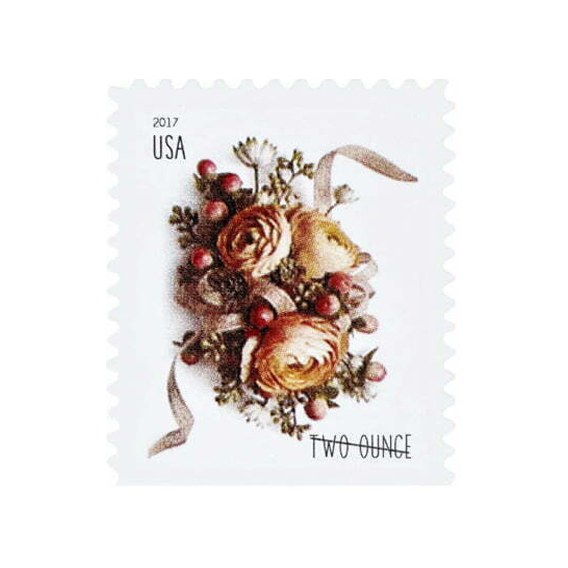
If the stamp wins, test which stamp. The same campaign found art issues — florals and Love designs on open-house invitations — reaching about 3.5%, above the plain Flag.
Run it as its own cell rather than assuming it. Design effects vary by audience, and art stamps cost slightly more, so the lift has to be real to be worth it.
Making the winner affordable
A result you cannot afford to roll out is not a result. At 50,000 pieces a year, retail postage at $0.78 would erase the gain entirely.
| Postage | Cost | Discard risk | Signal |
|---|---|---|---|
| Metered indicia | $0.55 | High | Reads as bulk mail |
| Retail stamp | $0.78 | Low | Personal |
| Verified surplus stamp | $0.62 | Low | Personal, at close to metered cost |
Surplus coils of recent issues land close to the metered rate while keeping the physical stamp, which is what makes the finding operational instead of interesting. What cannot be part of the plan is a 50%-off social ad: counterfeit postage on a high-value offer is not a marketing risk, it is a legal one.
Where to buy
The USPS official store, or a verified surplus channel such as Forever Stamp Center at campaign volumes. Rate references are in Notice 123.
The short version
Hold everything constant except the postage, split the list evenly, track response by cell rather than guessing at opens, then test the stamp design separately — and price the rollout at surplus rates before you present the win.
More on buying Forever stamps
- 👉 The Timeless Elegance of White Roses Stamps
- 👉 The Ultimate Holiday Stamps Mailing Plan: When, Where, and How to Buy
- 👉 Wedding Planning 2026: Voices, Lessons, and the Little Details

Currently working at USPS in Chicago, he has more than 15 years of experience in bulk mailing and logistics. His columns focus on Forever Stamp trends, helping businesses and individuals make cost‑effective mailing decisions.
