Most returned mail comes down to one of three things: an envelope the machines cannot handle, an address written in the wrong place, or postage that was short. All three are avoidable. Here is the whole process, in order.
Step one: pick the right envelope or postcard
Postage is priced on size and shape before weight enters into it. Keep the piece within standard dimensions and it runs through automated processing at the cheapest rate. Step outside them and you pay a surcharge — or the piece comes back.
Envelopes must be flat. Anything uneven or rigid falls out of automation, as does anything closed with clips, string or buttons. Irregular, square and vertical envelopes all cost more. The USPS Forever Stamp range includes formats for each of these cases.
Envelope rules
- Must be made of paper
- Must be rectangular to qualify for envelope pricing
- Anything larger than letter size is charged at package rates
- Large envelopes must also be rectangular to take the uniform price
Postcard rules
- Must be rectangular to take the First-Class Mail price
- Oversized cards are charged as letters or large envelopes
Dimensions
SHAPE |
LENGTH |
HEIGHT |
Postcards |
5 in. min. |
3-1/2 in. min. |
Letters |
5 in. min. |
3-1/2 in. min. |
Large Envelopes |
11-1/2 in. min. |
6-1/8 in. min. |
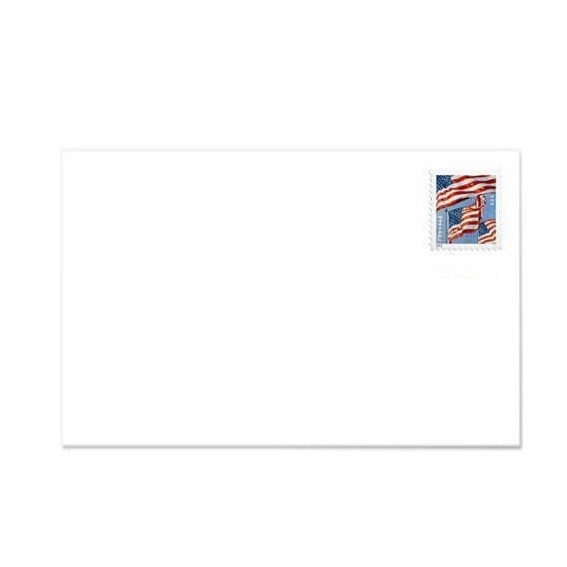
U.S. Flag Forever #10 Regular Stamped Envelopes
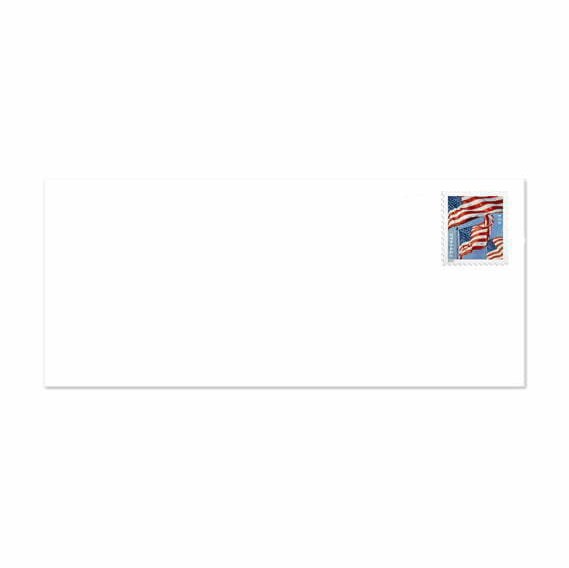
U.S. Flag Forever #9 Regular Stamped Security Envelopes
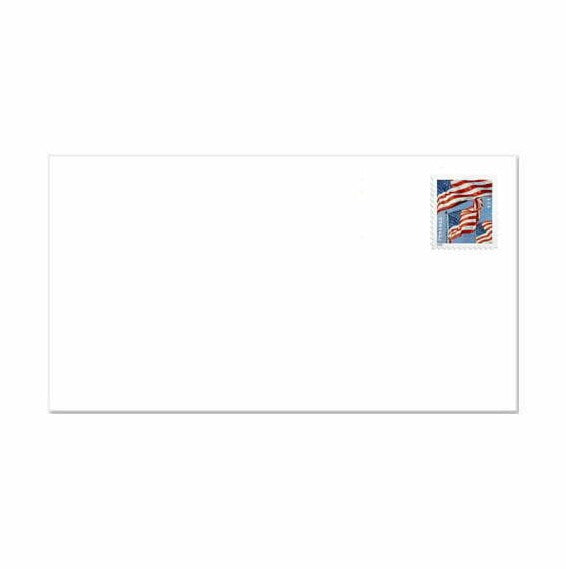
U.S. Flag Forever #6 3/4 Regular Stamped Envelopes
Step two: write the address
Print it clearly and put it where the equipment expects to find it. A badly written envelope is the single most common reason a letter disappears. Full formatting rules are below.
Step three: work out the postage
Five things determine what you pay:
- Destination
- Delivery speed required
- Shape and dimensions
- Special delivery or insurance
- Delivery confirmation receipt
Step four: send it
Six ways to hand off a stamped piece:
- Book a pickup on the USPS website
- Take it to the counter at a post office
- Hand it to your carrier when they deliver
- Leave it in your own mailbox with the flag raised — or hang it outside the box if yours has no flag
- Drop it in a roadside blue box, for domestic letters and postcards under one pound only; international express is not accepted
- Use a USPS counter inside a supermarket, though some handle domestic items only
One warning: if you are affixing postage yourself, make sure it is sufficient. Short-paid mail goes back to the sender, not forward to the recipient.
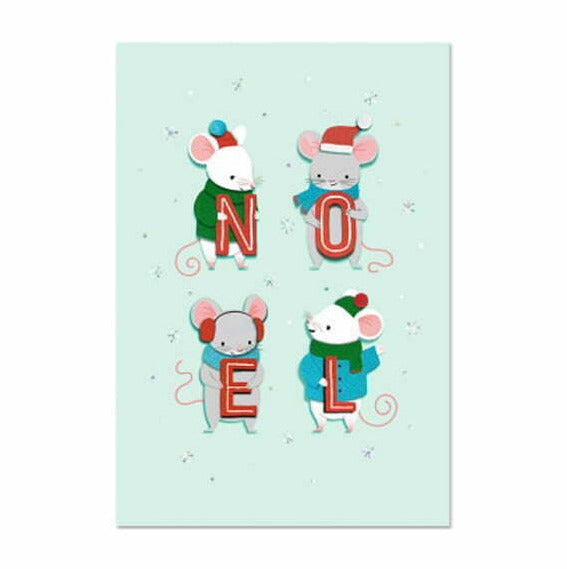
Christmas Mice with Felt Card

Peanuts Gang Snow Scene Card
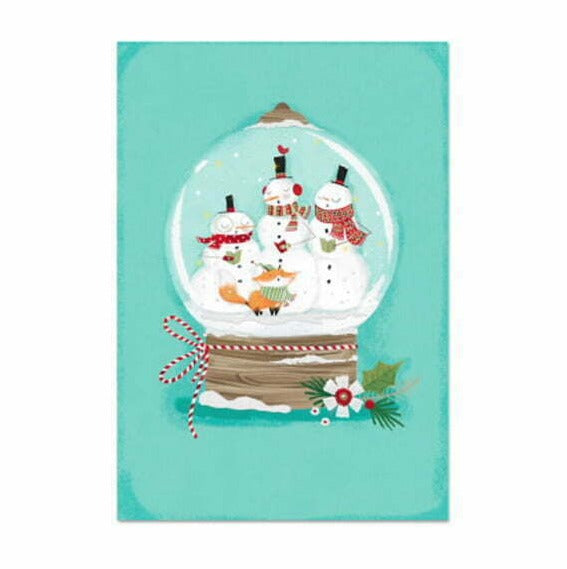
Snowmen in Snowglobe Card
Post office hours
Hours vary by location. The typical pattern is nine to five on weekdays with a half day Saturday, closed Sundays and holidays.
Regional offices in larger areas open longer — the Merrifield, VA office, for example, runs 9:00 am to 8:00 pm Monday through Friday and 9:00 am to 5:00 pm Saturday and Sunday. Small branches keep shorter hours, often 9:30 am to 4:30 pm.
How to lay out a US envelope
A standard envelope measures 10.92 x 24.13 cm. Leave at least 10mm clear along the bottom edge, front and back — sorting equipment prints barcodes in that space.
US envelopes are written horizontally, with the smooth side as the front, and read left to right rather than top to bottom. Start at the top left with the return address, then put the recipient's address in the middle. Both are normally three lines.
Write the return address every time. Without it, an undeliverable letter has nowhere to go back to.
The return address, line by line
- Sender's name. For example, "Mr. Willard B. Thompson." The carrier sees who sent it the moment the letter is in hand.
- Street address, including the unit number — this is the line people most often leave incomplete.
- City, state and ZIP code. If the city and state run long, the ZIP can move to a fourth line.
USPS mail classes
Each service differs in features, speed, price and requirements. The four you will encounter most:
- First-Class Mail / First-Class Mail International — bills, invoices, personal letters and packages. Ordinary mail, with limited tracking rather than full logistics visibility.
- Priority Mail / Priority Mail International — the same contents with priority handling, though slower than Express.
- Priority Mail Express / Priority Mail Express International — priority in transport and the fastest service available, priced accordingly.
- Global Express Guaranteed — urgent international packages and the most expensive option. Miss the promised delivery time, at home or abroad, and you can claim a refund.
Types of American stamps
Three broad families cover most of what is on sale: the regular Forever series for everyday domestic letters, Global stamps for international mail, and commemoratives marking people, events and anniversaries.
Where to buy them
- Through the Postal Store on the USPS website.
- At USPS post office counters, convenience stores, gas stations, supermarkets, shipping centers, COSTCO, and from postal workers in remote areas.
- Online in bulk at well below retail from www.foreverstampcenter.com.
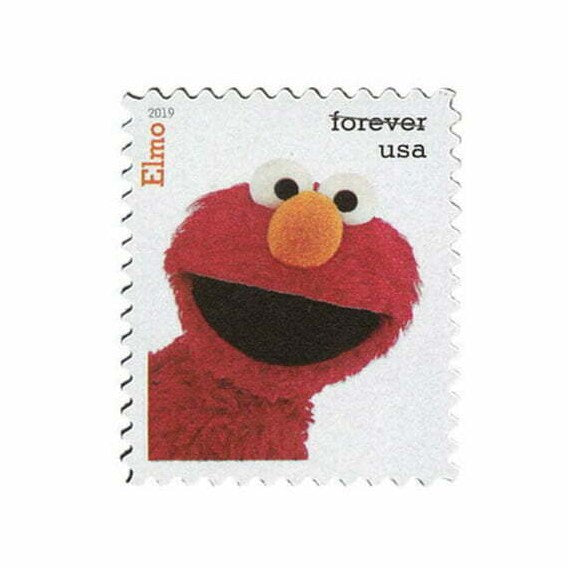
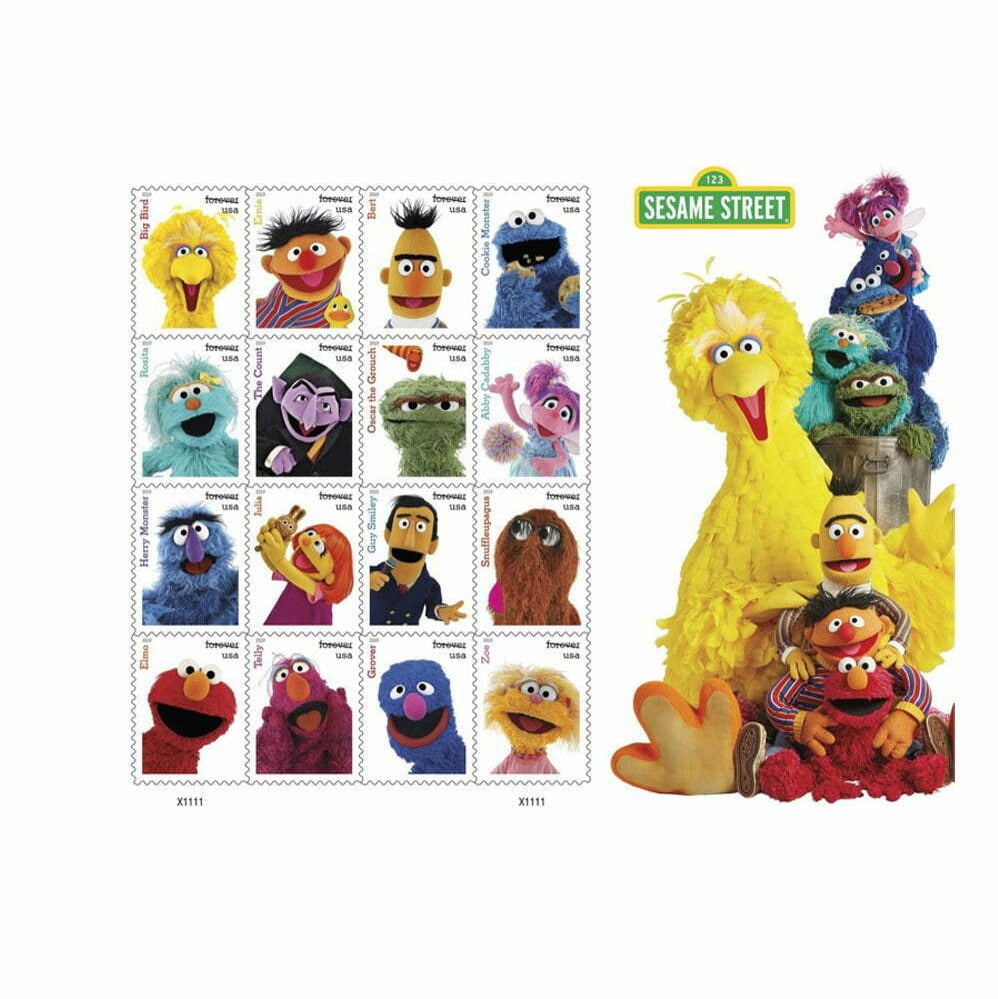
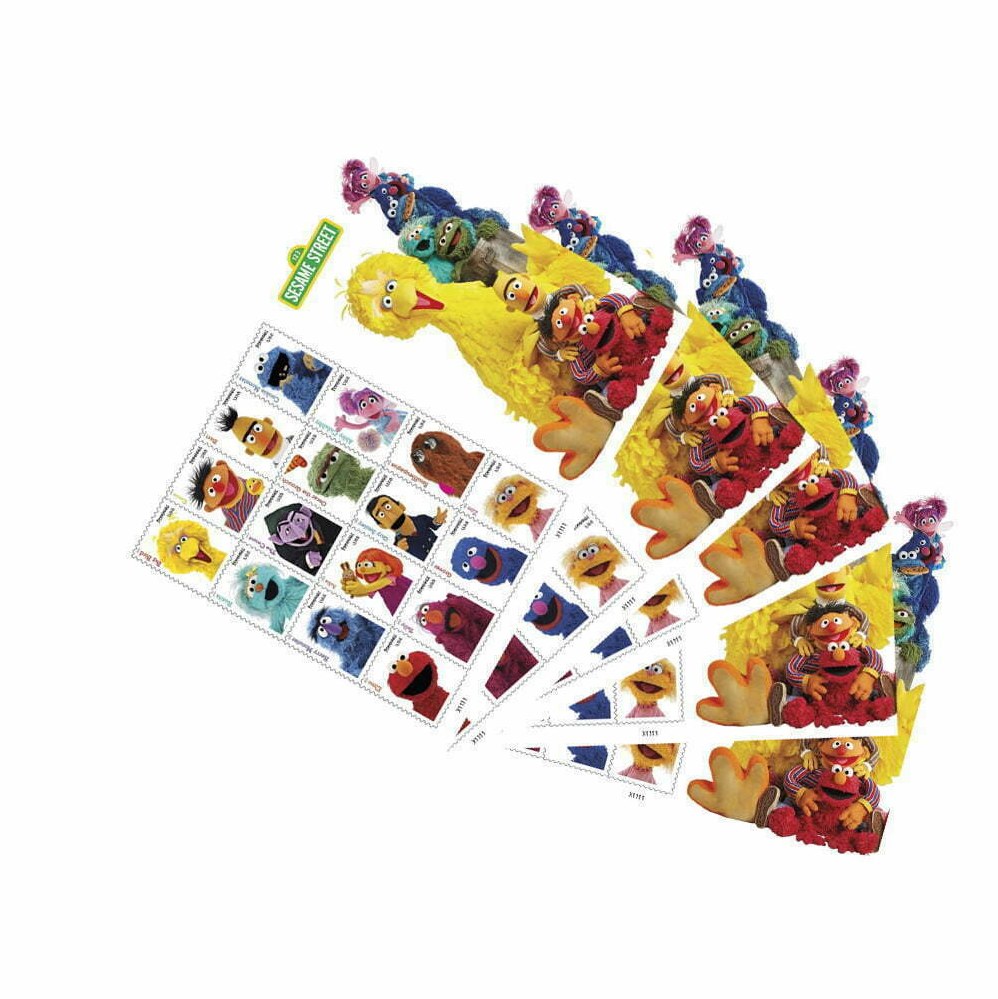
Sesame Street Stamps
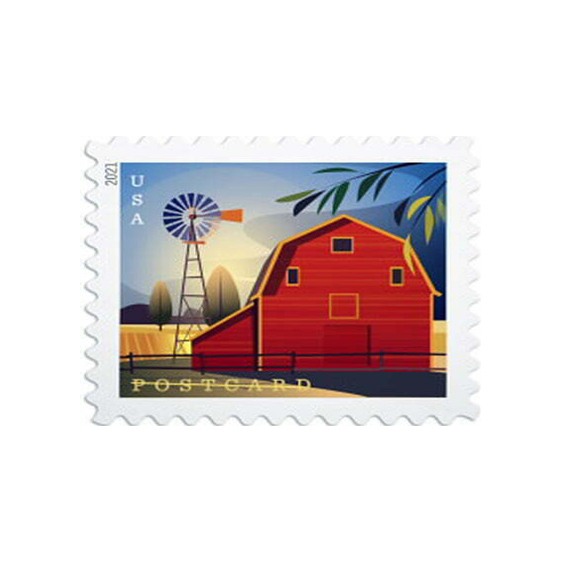
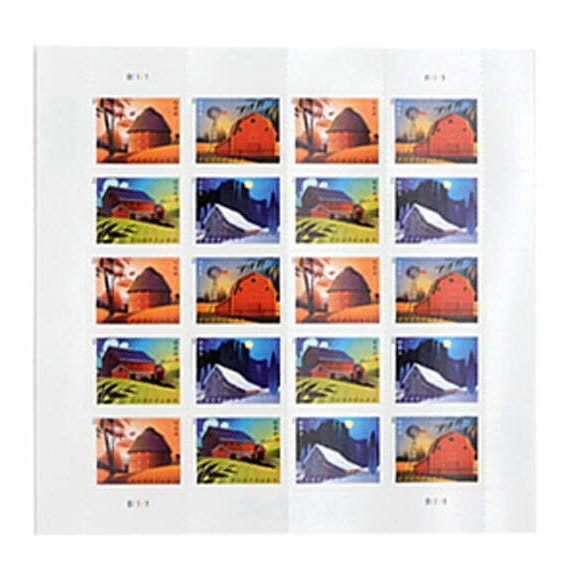
Barns Postcard Stamps(Postcard Stamp)
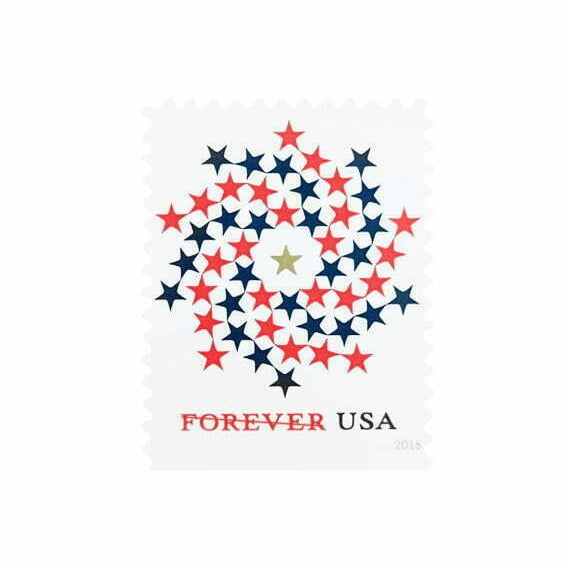
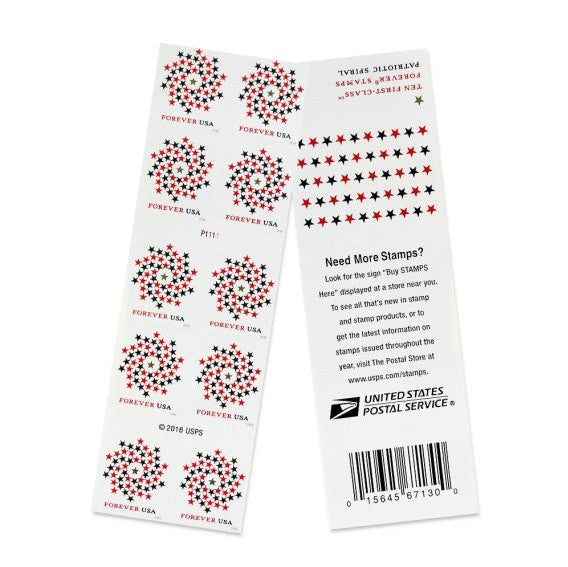
Patriotic Spiral Stamps

USPS specialist based in Los Angeles with extensive experience in postal operations and customer service. Certified in mail management and trained at the USPS Business Mail Academy, she offers reliable guidance on Forever Stamps and practical mailing solutions.
