

There is a specific, avoidable absurdity that distributed companies discover eventually: paying for overnight shipping to send stamped envelopes from headquarters to a satellite office. One team spent $800 in a quarter doing exactly that — paying the Postal Service to compensate for their own planning.
If the central mailroom is an antiquity, the central stamp drawer is too.
The bottleneck you built yourself
The pattern is consistent. Headquarters holds the master postage account. A different office actually sends the contracts. Everything routes through the first to serve the second.
That is a single point of failure wearing the costume of financial control, and it is slower and more expensive than the alternative.
The localized hub model
Each site holds its own autonomous inventory, direct-shipped from one corporate-approved vendor. No internal transfers, no waiting.
| Operational variable | Centralized management | Localized hub |
|---|---|---|
| Speed to use | Delayed by internal logistics | Immediate, desk-side |
| Internal shipping cost | High — mailing supplies between offices | Zero — vendor ships to each site |
| Failure mode | Single point at HQ | Redundant across sites |
The usual objection is leakage — untracked personal use of a shared supply. It is worth pricing that objection honestly: tracking a $0.62 stamp with a $50-a-month digital system costs more than the leakage it prevents.
One five-location company that moved to direct-shipped bulk inventory cut total annual mailing overhead by 35%.
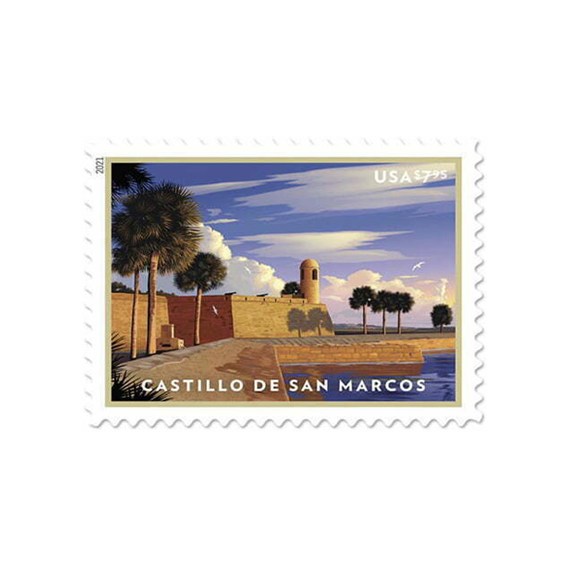
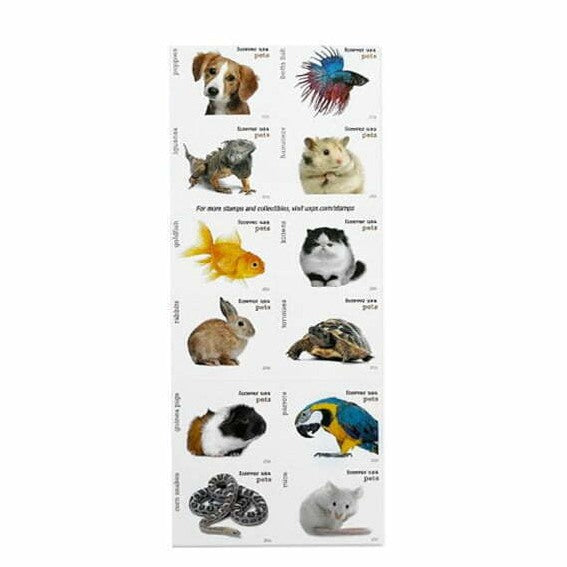
Best deals on Forever stamps

The rule that surprises people with overseas offices
You cannot supply a London or Tokyo team with US postage. Under Universal Postal Union rules, physical postage must originate from the host nation's postal system.
US stamps sent to an overseas office are not a cost saving; they are unusable. Each international site sources locally, full stop.
What you can centralize is outbound international mail from your US hubs, which needs Global Forever stamps — currently $1.65 — rather than domestic postage.
Regional injection
A distributed footprint has one advantage worth using deliberately: you can choose where mail enters the network.
Mailing from the hub nearest the relevant exit point, or simply from a region that is currently running clean, reduces transit time. USPS service alerts tell you which areas are congested, and the network's own Delivering for America plan is explicitly moving toward local injection and regional fulfillment.
For time-critical mail, rerouting through a satellite office in a healthy zone is a lever most companies never pull.
The risk decentralization creates
Shadow procurement. A remote office manager under budget pressure finds a "50% off" listing and introduces counterfeit stock into the corporate stream — usually with the best intentions.
Under UV light, that stock reads as completely black: zero phosphor tagging. It gets pulled at the sorting facility, and the client who receives an envelope flagged as counterfeit forms a permanent impression.
The control is a single mandated source for every site. Claims of "bankrupt mailroom" liquidations are fabrications — Postal Regulatory Commission pricing does not permit those discounts in the legitimate secondary market, where verified surplus runs 10–25% off. Enforcement data comes from the USPS Office of Inspector General.
Where to buy
The USPS official store, or a single vendor such as Forever Stamp Center that can direct-ship coils to every site under one account and one invoice trail. Historical context on postal logistics is at the Smithsonian National Postal Museum.
The short version
Give every site its own inventory, direct-shipped from one approved vendor. Never ship stamps between your own offices. Source international sites locally — UPU rules require it. And mandate the source, because decentralized buying is where counterfeits enter.
More on buying Forever stamps
- 👉 The Unboxing Moment: Why I Obsess Over Stamps for My Subscription Box Business
- 👉 Why Using Genuine USPS Shipping and Postage Supplies Prevents Mail Rejection
- 👉 How to Spot Fake Booklets of 20 Postage Stamps Discount Offers Online

Currently working at USPS in Chicago, he has more than 15 years of experience in bulk mailing and logistics. His columns focus on Forever Stamp trends, helping businesses and individuals make cost‑effective mailing decisions.
