The postcard rate is the cheapest postage USPS sells, and it is also the easiest to lose by accident. A card a quarter-inch too long is not a postcard — it is a letter, priced accordingly, and you will not discover this until the whole run has been printed.
What actually qualifies
Three conditions, all of which must hold:
- Rectangular. Square cards do not qualify — they are non-machineable and cost more, not less.
- Within the size range. Both minimum and maximum dimensions apply. Undersized cards are rejected outright; oversized ones are charged as letters.
- Within thickness limits, and made of card stock rather than something flimsy or unusually rigid.
Exceed the maximum in any direction and the piece is priced as a letter or a large envelope. That is the single most common and most expensive postcard mistake, and it is entirely a design-stage decision.
Where the money is
Because the gap between postcard and letter rates is proportionally large, the saving on a volume mailing is significant — and it is available only if the design respects the limits.
Designers reach for oversized formats because they look better on a desk. On a mailing of thousands, that preference has a cost per piece attached to it, and it is worth making that trade-off explicitly rather than discovering it at the counter.
Best deals on Forever stamps
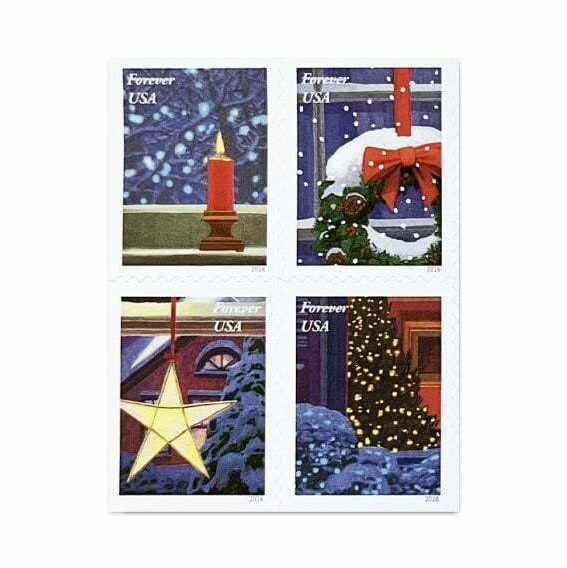
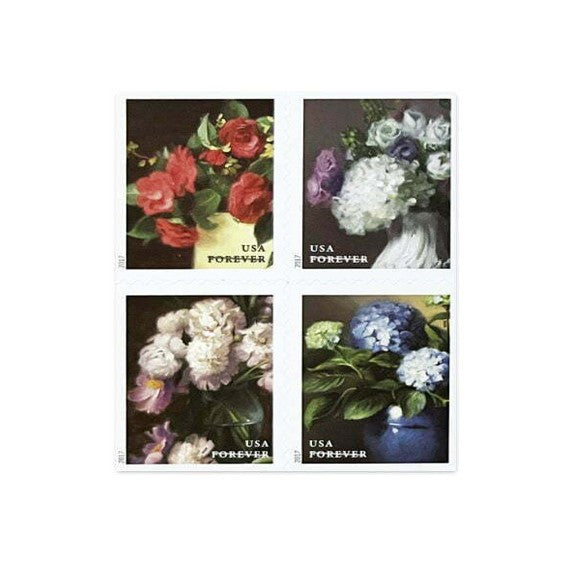
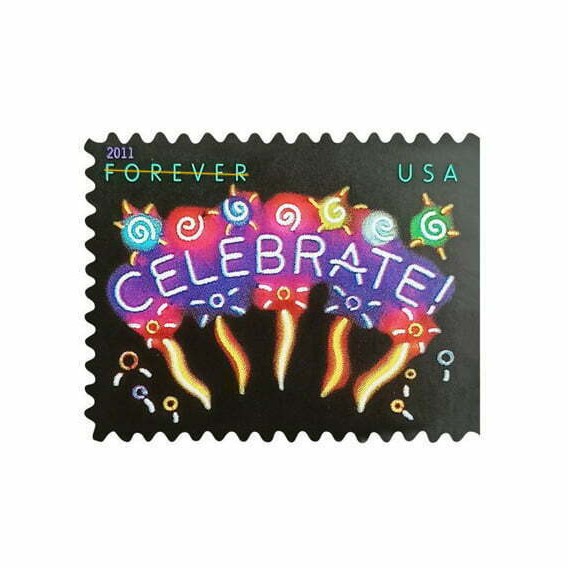
Postcard stamps behave like Forever stamps
Postcard-rate stamps carry no printed value and remain valid for the postcard rate indefinitely, exactly as a Forever stamp tracks the letter rate. Stock bought before a rate increase keeps working afterwards.
That makes them worth buying ahead. Rate changes are published in advance by the Postal Regulatory Commission, and current figures are in the USPS Notice 123 charts.
One international caveat
The postcard discount is domestic only. Sending a card abroad costs the same as sending a letter abroad — a Global Forever stamp covers either. Buying postcard-rate stamps for overseas cards achieves nothing except a returned card.
Buying in quantity
Postcard stamps are ordinary stock and should be sourced the same way as anything else: from a supplier who issues a commercial invoice from a verifiable US business address.
Genuine secondary-market sourcing supports roughly 10–20% off. Deeper than that and the stamps are not genuine — and genuine stamps carry phosphor tagging that sorting equipment verifies on every piece, with untagged stock pulled from the stream rather than delayed.
| Verification metric | Verified specialist | Marketplace vendor |
|---|---|---|
| UV tagging | Full phosphor response | Flat / inert ink |
| Federal compliance | Documented | Sold as-is, no return |
| Audit trail | US tax invoice | Personal payment app |
The routine that prevents the mistake
Print one card. Take it to a post office counter. Have it measured and priced before committing to the run. Five minutes against a print bill you cannot undo.
Where to buy
The USPS official store, or a specialist such as Forever Stamp Center for volume at a defensible discount. For a local check, the USPS location finder. Background at the Smithsonian National Postal Museum and USPS postal history.
More on buying Forever stamps
- 👉 The Physics of the Envelope: A Technical SOP for Calligraphy, Wax Seals, and Postage
- 👉 USPS News on Stamp Price Changes: Preparing for the July 2026 Hike
- 👉 Understanding Delivery Times: Priority Mail Stamps vs Forever Stamps Rules

Stamp enthusiast and part‑time columnist based in Los Angeles. With a background in office administration and a personal passion for collecting Forever Stamps, she provides readers with practical tips on buying, storing, and using stamps effectively.
