

A postmark is the mark applied by the postal service when an item enters the mail. It does two jobs: it cancels the stamp so it cannot be used again, and it records where and when the item was accepted.
Most people treat it as defacement. Collectors treat it as the point.
Why the mark matters
A cancelled stamp still on its envelope carries information a mint stamp does not: a date, an origin, sometimes a special pictorial mark applied only at a particular location or for a particular event.
That is why a whole branch of collecting is concerned with covers — the complete envelope — rather than with stamps removed from them. First-day covers, event cancellations and unusual routings are collected precisely for the mark.
The practical consequence: if an envelope has an interesting postmark, do not soak the stamp off it. You will have destroyed the more collectible object to save the less collectible one.
Hand cancellation
You can ask for hand cancellation at a counter — a clerk applies the postmark by hand rather than the item going through the machine.
Two reasons to want it. For delicate mail — wax seals, hand-addressed invitations — it avoids machine damage. And for anything you or the recipient might keep, a clean hand-applied postmark looks like part of the piece rather than an accident of processing.
Where commemoratives actually are
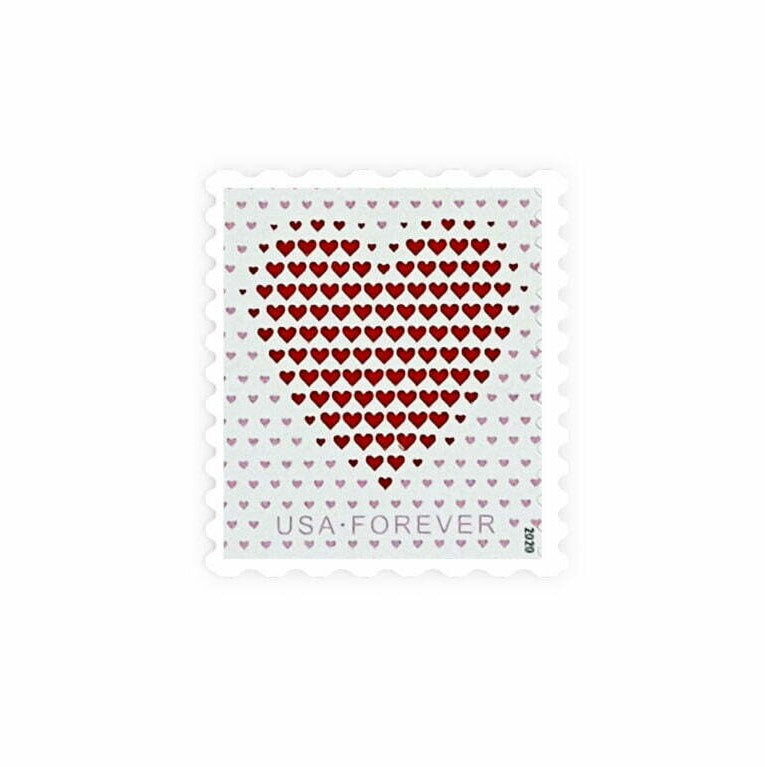
Convenience stores, pharmacies, banks and self-service machines stock standard designs. They rarely carry commemoratives, because those are printed in limited runs and sold for about a year.
For a specific commemorative you want the counter, the official online store, or — once it has left official sale — a surplus dealer or stamp dealer. Online is also where the range is widest and where you can search rather than ask.
Getting something valued
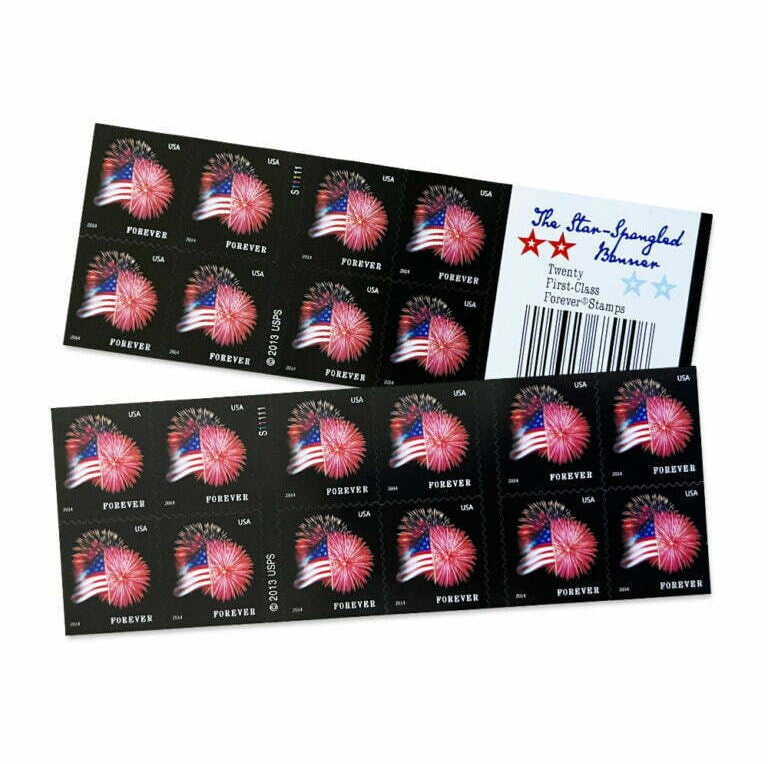
If you want to know what a stamp is worth or whether it is genuine, that is an appraisal, and it is a specialist job.
Established dealers assess condition and authenticity, and some offer expertising services by post — you send the item and receive a written opinion. Stamp clubs and shows are the informal route, where experienced collectors will look at something for you.
Face to face is better where possible. Condition is difficult to judge from photographs, and it is usually the largest single factor in value.
One clarification about selling
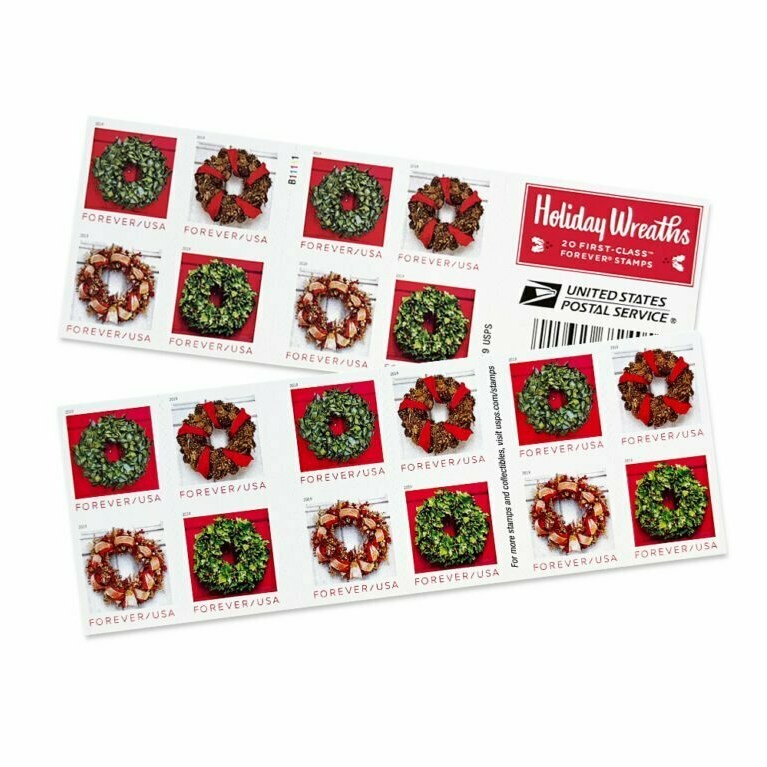
Post offices, banks and shops sell stamps and do not buy them. Selling means dealers, auctions, collector clubs or online marketplaces — a different set of places entirely from where you bought them.
Best deals on Forever stamps
For mailing rather than collecting, the practical split is the official store for specific current designs and a verified surplus channel for volume and retired issues.
Where to buy
The USPS official store, or a verified surplus channel such as Forever Stamp Center for postal stamps in quantity and past designs.
On anything scarce, authenticity matters more than price — the more collectible a stamp, the more forgeries exist of it.
The short version
The postmark is not damage; it is the record. Leave interesting covers intact, ask for hand cancellation on anything delicate, and go to a dealer rather than a counter for commemoratives, appraisals or selling.
More on buying Forever stamps
- 👉 How to Get a Stamp Off an Envelope Without Ruining It
- 👉 The Kiosk Sells Fewer Designs Than the Counter
- 👉 Count the Stars: The Fake Flag Stamp Has 18

USPS specialist based in Los Angeles with extensive experience in postal operations and customer service. Certified in mail management and trained at the USPS Business Mail Academy, she offers reliable guidance on Forever Stamps and practical mailing solutions.
