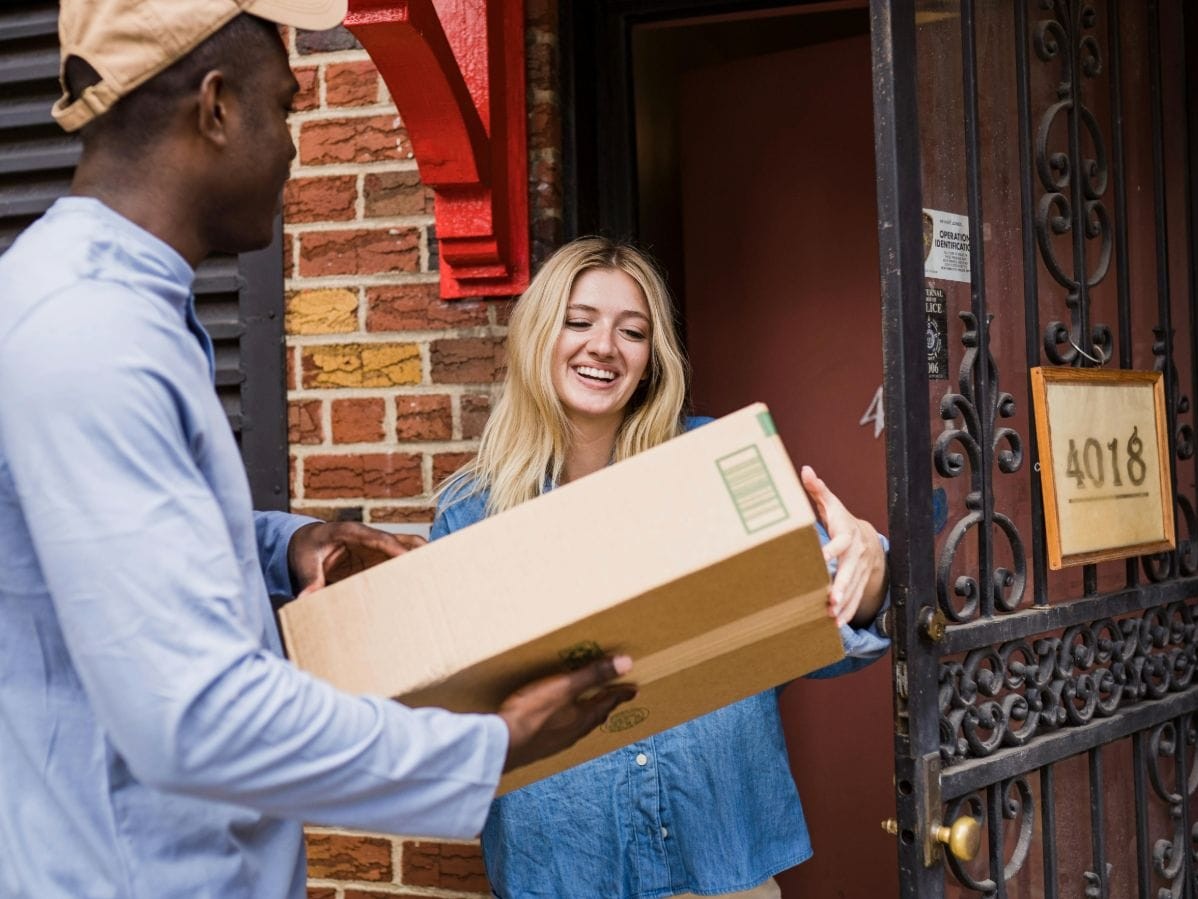
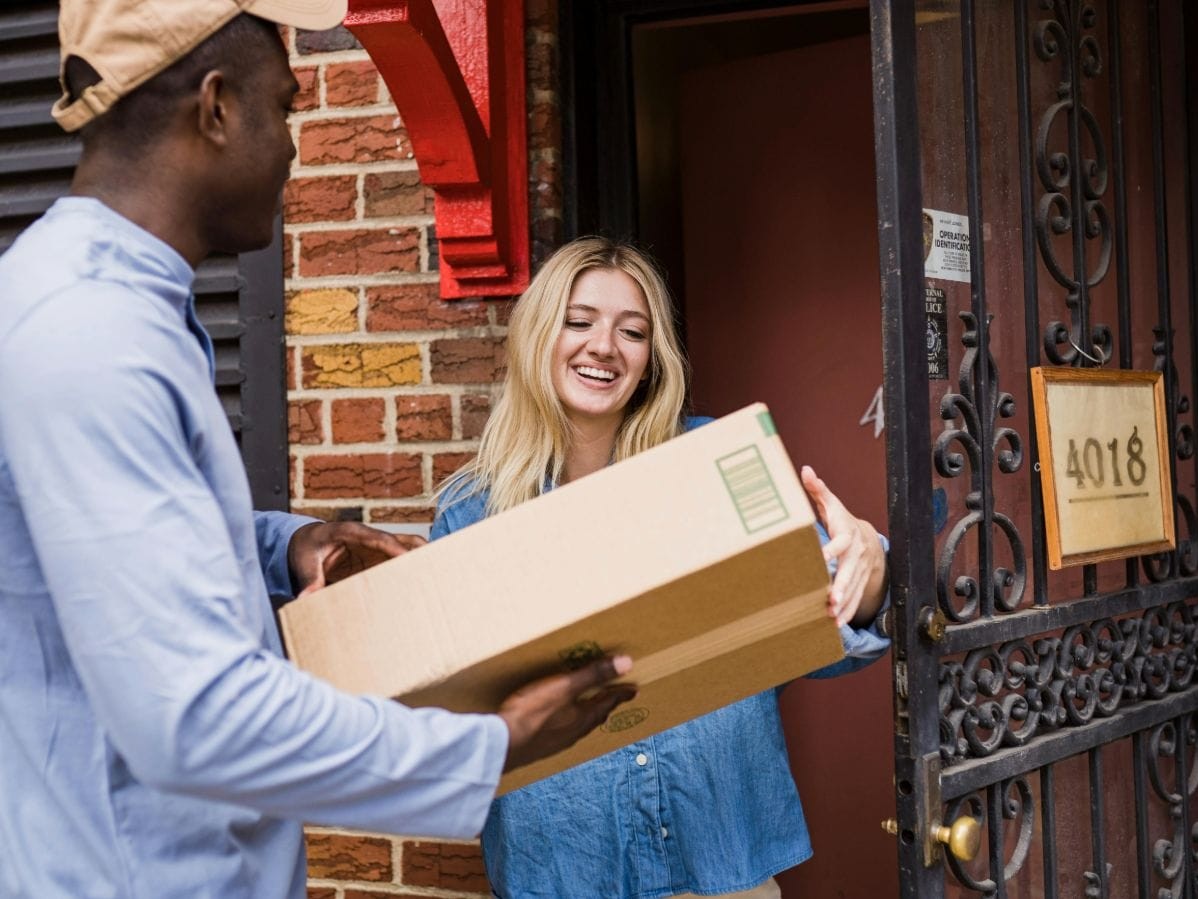
A win-back campaign sent 20,000 direct mail kits to lapsed enterprise accounts. The dashboard showed zero scans and zero landing page hits.
The QR code worked. The landing page was live. The tracking said something else entirely: seized — counterfeit postage.
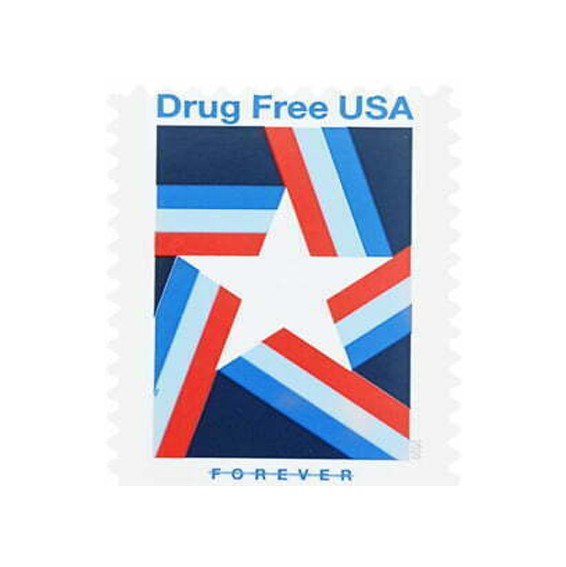
The stamps had come from a wholesale broker found on a professional network, offering 50% off and describing the stock as overstock. The campaign — worth perhaps $2M in renewals — was in an evidence locker, and 20,000 executives had simply never been contacted.
The true cost of a fake stamp
The saving was 15 cents a stamp. The post-mortem priced what sat behind each one:
- Nominal saving: $0.35 versus retail per piece
- Physical package thrown away: $12.00 — the box, the printed book
- Customer lifetime value not reached: $5,000 average contract
A seized package converts at zero, whatever you paid for it. Retail postage at $0.78 with a 2% conversion rate makes money; $0.35 postage with a zero delivery rate cannot, at any conversion rate.
Best deals on Forever stamps


Real postage, bought properly
The correction is not paying full retail on everything. It is buying genuine stock below face from a channel that can show provenance.
Classic Flag coils from the 2020–2024 issues run about $0.62 against $0.78 — roughly 20.5% below face. Across a 20,000-piece campaign, 20,000 × $0.16 = $3,200.
The Flag also does specific work in a B2B mailing. It reads as official correspondence rather than as an invitation, which matters when the first person handling the envelope is an executive assistant deciding what reaches the desk.
A procurement filter worth writing down
| Channel | Unit cost | Supply chain | Use for |
|---|---|---|---|
| USPS official | $0.78 | Absolute | Contracts and legal notices |
| Verified surplus reseller | $0.61–$0.65 | Auditable | Marketing volume |
| Discount site | $0.35 | None | Nothing |
Anything carrying a $100k contract goes through the official channel at full price — the $0.16 is not a decision worth making. Volume goes to a surplus channel that stocks the deep coils of 3,000 and 10,000 that feed affixing machines, and whose batches you have actually audited. Sites with countdown timers or 70%-off claims get blocked at the firewall.
Buying ahead of the next adjustment
With a rate near $0.82 signalled, pre-buying the second-half inventory of 50,000 stamps at the current surplus rate:
- Now: 50,000 × $0.62 = $31,000
- Later at the new retail rate: 50,000 × $0.82 = $41,000
- Avoided cost: $10,000
This is cost avoidance on mail the campaign calendar already commits to, not an investment — the arithmetic only holds for postage you will actually send. Pending changes are published by the Postal Regulatory Commission ahead of the effective date.
Since the switch, delivery on that programme runs at 99.8%.
Where to buy
The USPS official store for contracts, or a verified surplus channel such as Forever Stamp Center for campaign coils.
The short version
Postage is part of the attribution chain, and a seized mailing looks exactly like a broken tracking pixel. Buy genuine stock below face from a channel you can audit, keep contracts at retail, and price your campaign postage before the rate moves.
More on buying Forever stamps
- 👉 Stabilizing Mailing Costs and Avoiding Ghost Postage
- 👉 A Stamp Order That Cost a Listing
- 👉 What Belongs in the Emergency Postage Box

USPS specialist based in Los Angeles with extensive experience in postal operations and customer service. Certified in mail management and trained at the USPS Business Mail Academy, she offers reliable guidance on Forever Stamps and practical mailing solutions.
