
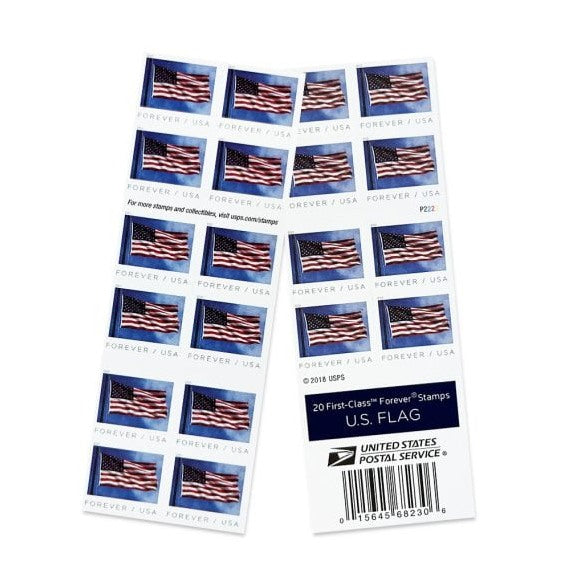
The book-versus-roll question has a duller answer than people expect, and one genuinely useful trap sitting behind it.
The USPS does not discount rolls against books. Both sell at face value — currently 78¢ a stamp. A book of 20 is $15.60; a roll of 100 is $78.00. The per-stamp price is identical.
Whatever you save comes from fewer trips, fewer orders and less time — not from the format.
The trap: subscriptions do not fix your price
The USPS offers stamp roll subscriptions — monthly or twice monthly, over six or twelve months, charged automatically.
It is easy to assume this locks in today's rate. It does not. If postage rises during your subscription, the price you are charged rises with it. A subscription is a delivery convenience, structurally like a magazine subscription; it is not a hedge.
The thing that does fix your price is buying the stamps outright. A Forever stamp bought before an increase carries a letter after it, whatever the rate becomes. Buy the stamps, not the subscription, if the price is what you are trying to control.
Two further notes: the charge recurs automatically, so the account needs to be funded; and cancel or reduce it when your volume drops, or it quietly becomes an expense with no purpose.
Books and rolls, compared honestly
| Book | Roll | |
|---|---|---|
| Typical quantity | 20 | 100, up to 10,000 |
| Unit price | $0.78 | $0.78 |
| Cost | $15.60 | $78.00 for 100 |
| Suits | Occasional personal mail | Regular or business volume |
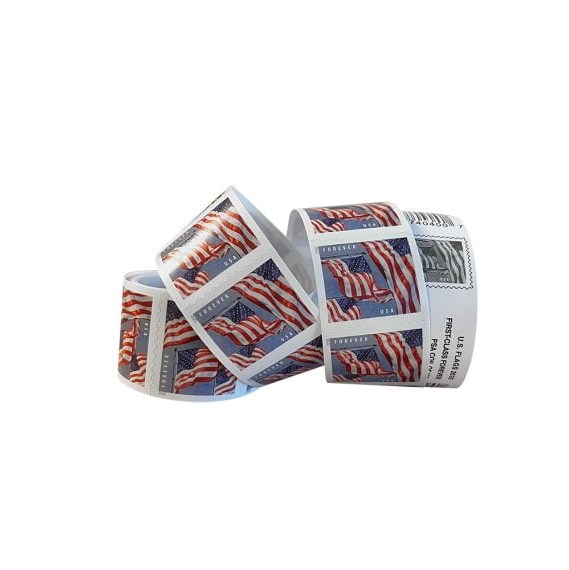
Books — low outlay, wide design choice, nothing left over. A folded cover protects the stamps in a bag or drawer.
Rolls — always available, feeds a dispenser, no reordering for months. Larger outlay and fewer designs, because coils are produced for the everyday issues.
At the top end, coils run to 10,000 stamps — $7,800 at the current rate. That is a business purchase, and it is bought for supply security rather than for price.
A little history
Stamp booklets first appeared on 16 April 1900. Coils followed on 18 February 1908, introduced specifically in response to business demand and to supply vending machines.
The split has been the same ever since: books for people, rolls for organisations. The formats were designed for those users and still suit them.
Postcard stamps are the actual saving
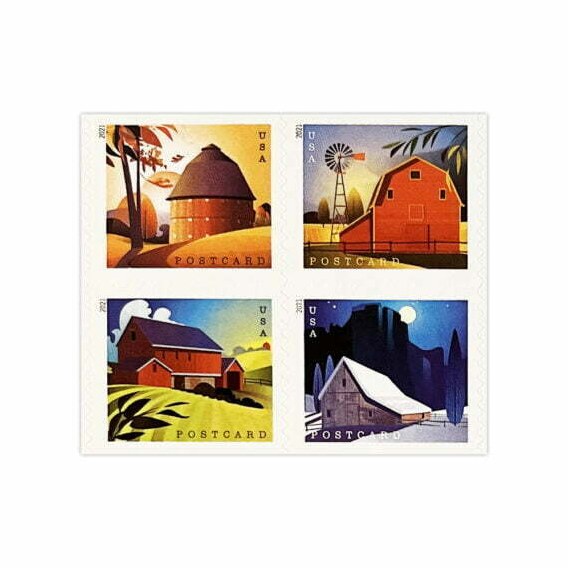
If you are sending postcards, use postcard stamps: 61 cents against 78 for a letter. A roll of 100 is $61, and smaller quantities from 20 are available.
Worth noting the trend — postcard rates rose from 56 to 61 cents, a five-cent step and proportionally a larger increase than first-class saw. The gap is narrowing, but it is still a real saving on a seasonal card mailing.
One restriction: postcard stamps are for postcards. On a standard letter they are short postage.
Best deals on Forever stamps
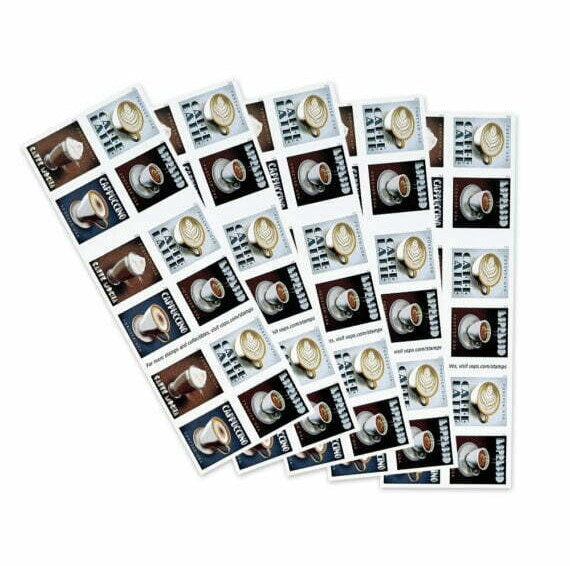
Since the official price is identical either way, a genuine per-stamp discount only exists on the secondary market — overstock and liquidation stock sold below face. That is also where designs the USPS no longer sells turn up.
Large marketplaces tend to price stamps above face, particularly for retired designs, because they are being sold as collectibles rather than postage.
Where to buy
The USPS official store for current designs and postcard stamps, or a verified surplus channel such as Forever Stamp Center for volume and retired issues.
The short version
Books and rolls cost the same per stamp — pick by how often you want to reorder. Subscriptions deliver conveniently and do not protect you from rate rises; buying the stamps outright does. And use postcard stamps on postcards.
More on buying Forever stamps
- 👉 Every US Stamp Since 1860 Is Still Valid
- 👉 Where "Cheap" Postage Actually Comes From
- 👉 The USPS Does Not Give Bulk Discounts on Forever Stamps

USPS specialist based in Los Angeles with extensive experience in postal operations and customer service. Certified in mail management and trained at the USPS Business Mail Academy, she offers reliable guidance on Forever Stamps and practical mailing solutions.
