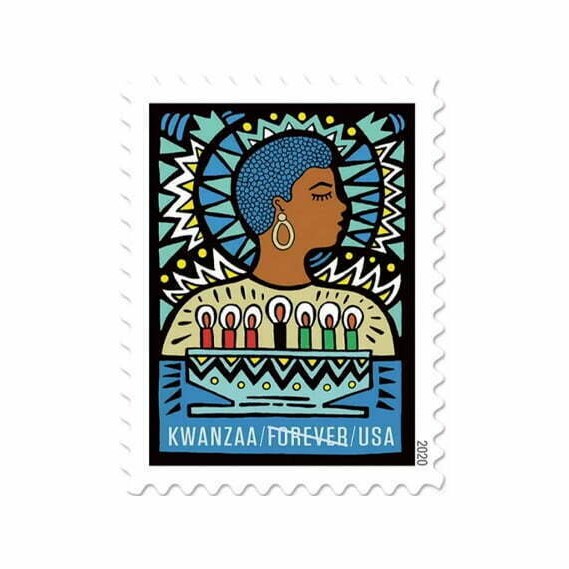
December inboxes fill with automated seasonal greetings that get deleted unread. A physical card does not compete in that channel at all — which is the entire reason it works.
The catch is that a card arriving after Christmas is worse than no card. It reads as an afterthought. So the work is really about the calendar.
The timeline
| When | Task | Notes |
|---|---|---|
| Mid to late September | Clean the mailing list | Drop stale contacts, separate key clients from the general list |
| Early October | Decide design and tone | Formal or warm — pick one and apply it consistently |
| Second half of October | Order stamps and supplies | Buy from official or verified channels while stock is good |
| Early November | Draft messages | Handwrite for key clients, personalize names for everyone else |
| Mid November | Prepare envelopes | Check spellings; separate domestic from international |
| By December 1 | Mail international | They need the extra buffer, always |
| December 1–10 | Mail domestic | The window for reliable pre-Christmas arrival |
| Mid December | Digital follow-up | A short personal message, not a second broadcast |
Best deals on Forever stamps
What ruins the gesture
- Arriving late. The single most common failure and the one entirely within your control.
- No name. A generic greeting with no personalization is a mailing, not a card.
- Expensive paper, empty words. Spend the effort on the message; nobody has ever been moved by cardstock weight.
- Counterfeit postage. The one that turns a goodwill gesture into an apology.
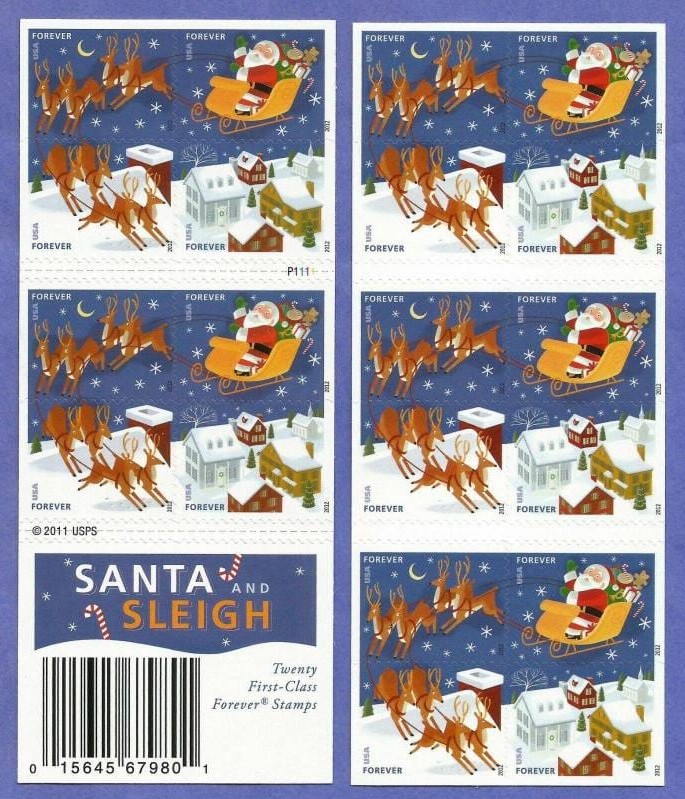
About the fake stamps
Ads offering Forever stamps at 50% off circulate heavily in the run-up to the holidays, and they are counterfeit.
Worth being precise about the consequences rather than alarmist. Knowingly making, distributing or using counterfeit postage is a federal offence and is prosecuted. For a business that bought in good faith, the realistic exposure is different but still bad: the mail is pulled, your clients receive postage-due notices with your name on them, and you have lost both the postage and the mailing.
The volumes involved are not small — customs officers have intercepted single shipments of 200,000 counterfeit Forever stamps. That is the supply feeding those listings.
Where to buy
Online: the USPS official store, or a verified surplus channel such as Forever Stamp Center. On general marketplaces, buy only from sellers with a long trading record and avoid bulk discount listings from new accounts.
Offline: a post office is the safest, and supermarkets and convenience stores stock stamps at face value. Community and classified sellers are where counterfeits circulate — that is the one category to skip entirely.
Cards, envelopes, and what to write
Good quality stationery, not luxury. Clean white or lightly festive envelopes. Handwritten notes for the clients who matter most, printed but personalized for larger groups, and a name on every single one.
Two touches that get noticed: a specific thank-you referencing the year rather than a generic sentiment, and "Season's Greetings" where you are unsure of someone's tradition. Keep a simple tracking sheet so nobody is missed or sent two.
The short version
Clean the list in September, order postage in October, write in November, mail international by 1 December and domestic by the 10th. Buy the stamps somewhere accountable, and put the effort into the sentence rather than the paper.
More on buying Forever stamps
- 👉 Postal Stamps Near Me: How to Buy Them Locally
- 👉 Why Everyone's Talking About Espresso Drinks Stamps
- 👉 When Retail Postage Starts Costing You Real Equipment

USPS specialist based in Los Angeles with extensive experience in postal operations and customer service. Certified in mail management and trained at the USPS Business Mail Academy, she offers reliable guidance on Forever Stamps and practical mailing solutions.
