

A landscaping company crossed 500 clients and found the owner at a folding table stuffing envelopes while the crews earned money in the field.
Trying to economize, he bought 500 stamps from a social media ad promising blowout prices. The counter clerk ran them through the scanner and turned the monitor around: counterfeit detected.
Sitting in the bin were $3,000 of invoices that had to go out for Friday's payroll to clear. The attempted saving was about $40.
Where retail stops making sense
At fifty clients you buy stamps at a grocery store. At five hundred, at the counter. Past a thousand pieces a month, paying $0.78 is a decision, and it should be made deliberately:
| Scale | Stamps per month | Annual at retail | Annual at surplus | Gap |
|---|---|---|---|---|
| Owner-operator | 300–500 | $4,680 | $3,720 | $960 — one mower repair |
| Three crews | 2,000 | $18,720 | $14,880 | $3,840 — a month of fuel |
| Ten crews | 5,000 | $46,800 | $37,200 | $9,600 — a new trailer |
Best deals on Forever stamps
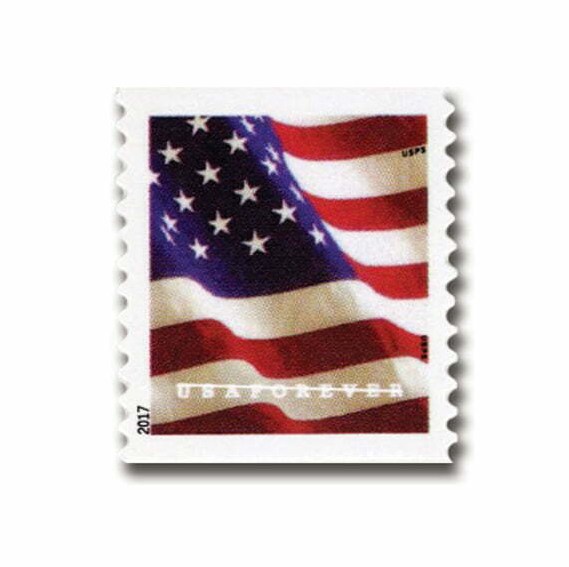
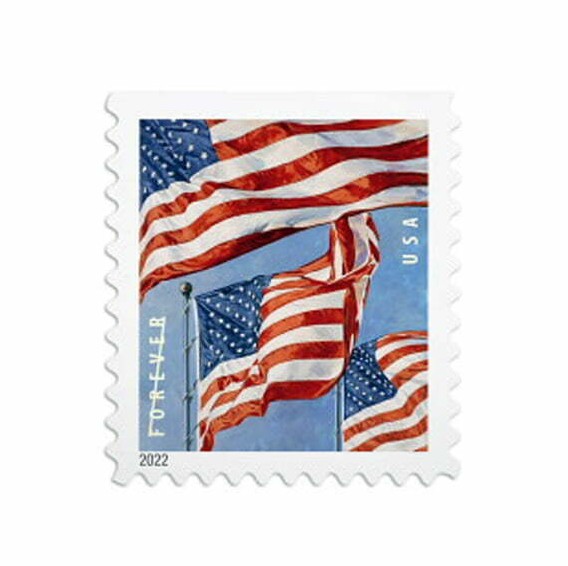
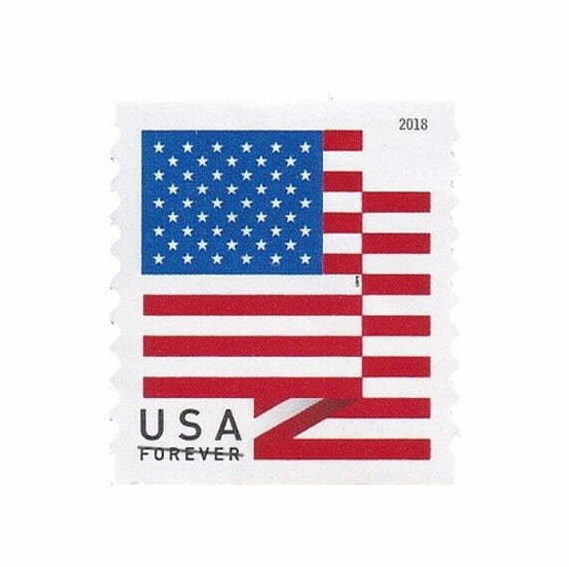
Pick the boring stamp
The office manager will want the hummingbirds. For invoices, the answer is the Flag coil, for three operational reasons:
- Coils feed the affixer. Sheets do not. If you have automated the application, the format decides the throughput.
- Supply is consistent. Surplus channels always hold Flags; themed issues run out mid-run, and switching designs partway breaks the automation.
- It reads as a bill. You are mailing an invoice. A floral stamp reads as an invitation, and invitations do not get paid.
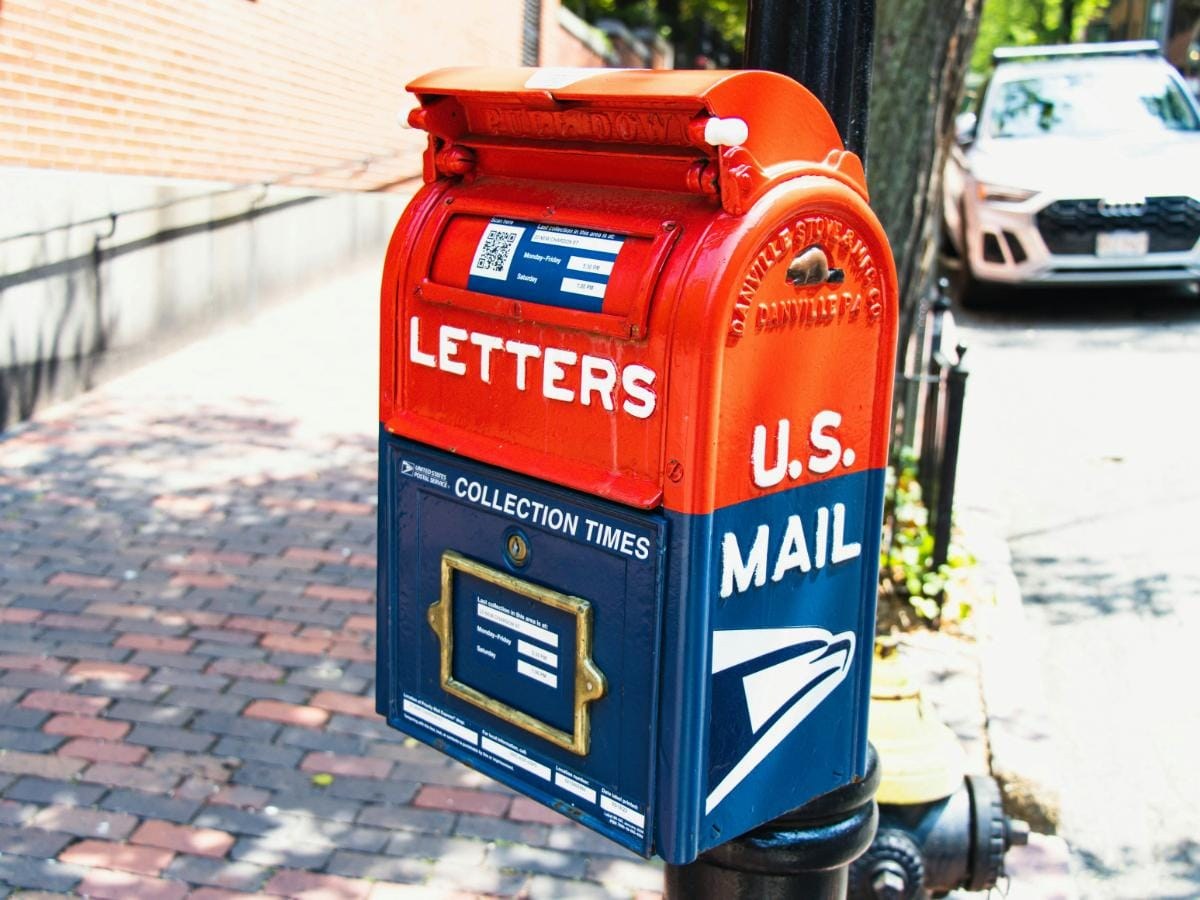
Verify each delivery like any other input
For a monthly run of 4,000 invoices, buying 50 coils at a time — 5,000 stamps — from a verified channel lands consistently around 22% below retail.
When a batch arrives, sample five at random: check the paper texture, and confirm the phosphor tag responds under UV. Only then does it go into stock. It takes two minutes and it is the same discipline you would apply to any material you buy by the pallet.
Keep one official account open and buy a small retail batch annually — it gives you a known-good control sample to compare surplus stock against.
What stays blocked: any offer built on a countdown timer. Genuine wholesale does not need one.
Hold a buffer, and set the trigger low enough
The rule is never below 1.5 months. At 4,000 pieces a month that is a reorder line at 6,000 stamps, alerting automatically.
The year a hurricane disrupted a regional distribution centre, stamp shipments were delayed about three weeks. Competitors could not mail invoices; this operation could, and its cash flow kept moving while theirs stopped. That is the actual return on holding inventory.
What the savings bought
About $8,000 a year, spent on a $6,500 folder-inserter that folds, stuffs and seals.
Nobody was laid off. The staff who had spent 10 hours a week stuffing envelopes spent those hours calling customers about seasonal work instead, and revenue rose 15%.
The sequence matters: the postage saving funded the machine, the machine freed the labour, the labour produced the growth. Each stamp cost $0.60 and is worth $0.78 of carriage — but the compounding happened elsewhere.
Where to buy
The USPS official store for the control batch and anything urgent, or a verified surplus channel such as Forever Stamp Center for the monthly coil order. Rate references are in Notice 123.
The short version
Standardize on Flag coils, buy 50 at a time from a channel you spot-check, hold six weeks of stock with an automatic reorder trigger, and spend the saving on the machine that removes the labour.
More on buying Forever stamps
- 👉 The Message That Ends a Small Shop
- 👉 Forty Trays Seized: Acceptance Letters That Never Arrived
- 👉 Your Postage Log Is a Leading Indicator

USPS specialist based in Los Angeles with extensive experience in postal operations and customer service. Certified in mail management and trained at the USPS Business Mail Academy, she offers reliable guidance on Forever Stamps and practical mailing solutions.
