

Real estate is one of the few industries where physical mail still outperforms the digital alternative, and the reason is simple: a farming postcard lands in a house that might be sold, in front of someone who has not opted out of anything.
What agents get wrong is not the strategy. It is the postage — specifically, paying letter rates for postcard mail, and stacking stamps where one correct denomination would do.
Use the postcard rate when the piece qualifies
This is the single biggest saving available to an agent mailing at volume.
Postcard postage is meaningfully cheaper than a letter, but the card has to qualify: rectangular, and within the size limits USPS sets for the category. Oversize cards — the glossy jumbo format many agents favor — are charged as letters or large envelopes, which is exactly the surprise that blows up a campaign budget.
Decide the format before you print. A card designed to postcard dimensions costs less on every piece, forever. Current figures are in the USPS Notice 123 charts.
Hand-addressed letters beat postcards for some purposes
Postcards work for farming a neighborhood — just-listed, just-sold, market updates. They are cheap and they get glanced at.
For a targeted approach to a specific owner, a real stamp on a real envelope changes the response rate. A metered indicia reads as bulk advertising and gets binned unopened; a genuine commemorative stamp reads as personal mail and gets opened. That difference is worth far more than the postage gap on a list of two hundred prospects.
This is one of the few marketing decisions where spending slightly more per piece reliably returns more.
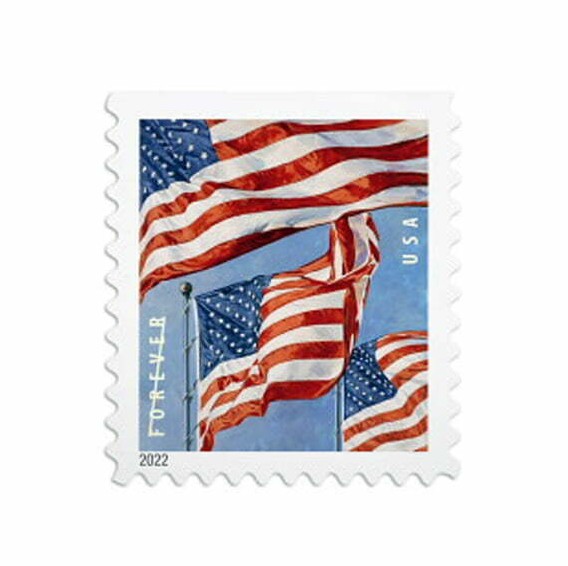
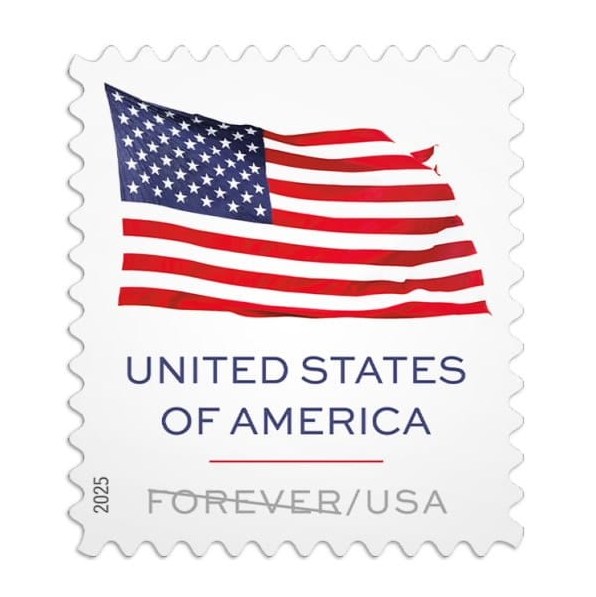
Best deals on Forever stamps
Buy the campaign's postage before the campaign
Agents tend to buy postage per mailing, which means buying at whatever the rate happens to be that month.
Forever stamps hold their value against future increases, so buying a year of farming postage ahead of an announced adjustment locks in the lower cost across every card. Rate changes are published in advance by the Postal Regulatory Commission.
Buying ahead also solves the availability problem: the designs worth putting on a personal-looking envelope are the ones that sell out.
The discount that costs you the listing
Marketing budgets are the first place agents look to economize, and postage is where the tempting offers appear.
Genuine stamps carry phosphor tagging that sorting equipment verifies on every piece. Untagged stock is pulled from the mail stream rather than delayed — which for a just-listed campaign means the cards never arrive, during the only window in which they mattered.
Legitimate secondary-market sourcing supports roughly 10–20% off. Past that, you are not finding a better supplier; you are buying counterfeit postage with your brokerage's name printed on the return address.
| Vendor check | Verified specialist | Social-media "sale" |
|---|---|---|
| UV response | Correct phosphor spectrum | Weak / flat inert |
| Adhesive | Permanent pressure bond | Low grade, peel-prone |
| Audit trail | US tax invoice and receipt | None / personal payment app |
A practical checklist
- Design to the postcard size limits if you are farming — before printing, not after.
- Weigh a finished piece if you are mailing envelopes with inserts.
- Buy a year of postage ahead of announced rate changes.
- Use real stamps on anything meant to read as personal.
- Check five samples from every delivery — adhesion, color and perforation consistency.
Worth monitoring: USPS service alerts for regional bottlenecks that affect campaign timing, USPS financials for where the network is investing, and the USPS location finder when a drop cannot wait.
Where to buy
The USPS official store at full price, or a bulk specialist such as Forever Stamp Center for campaign quantities at a defensible discount.
More on buying Forever stamps
- 👉 How to Verify Legitimacy for Authorized USPS Stamp Retailers Near Me
- 👉 The Legal Truth: Is It Legal to Buy Stamps Under Face Value?
- 👉 Cheap Postage for Wedding Stationery: Avoiding Underpaid Mail Traps

Currently working at USPS in Chicago, he has more than 15 years of experience in bulk mailing and logistics. His columns focus on Forever Stamp trends, helping businesses and individuals make cost‑effective mailing decisions.
