The fact that reframes every complaint about stamp prices: First-Class Mail accounts for under a third of Postal Service revenue, and individual letters for under 10%. Most of the money comes from parcels.
So the price of a stamp is not funding the network. It is a small share of the revenue for an obligation — delivering to every address, six days a week — whose cost does not shrink when letter volume does.
What actually changed, and by how much
The July 2022 adjustment is a representative example of the pattern:
| Item | Before | After |
|---|---|---|
| One-ounce letter, domestic | $0.58 | $0.60 |
| Each additional ounce | $0.20 | $0.24 |
| Metered one-ounce | $0.53 | $0.57 |
| Postcard | $0.40 | $0.44 |
| Two-ounce | $0.80 | $0.84 |
| One-ounce letter, international | $1.30 | $1.40 |
Note the additional-ounce line: it rose proportionally far more than the base rate. That matters more than the headline figure for anyone mailing anything with an insert in it.
The increases fund the Delivering for America plan, a $40 billion infrastructure programme. Even after them, US letter rates remain among the lowest in the industrialised world — which is true, and not much consolation if you mail a thousand pieces a month.
Why parcel shipping rises separately
Parcel pricing is built from stages that each carry their own cost — fuel to fulfil, labour to pick and pack, a driver to deliver. Each stage rises independently, and the total is passed along.
On top of that, carriers price by weight, dimensions, declared value and distance. A large light box occupies truck space disproportionate to its weight, and a coast-to-coast delivery costs materially more than a local one. This is why parcel quotes vary so much between carriers for what looks like the same job.
Six ways to actually reduce it
Send fewer letters. Invoices, proposals and contracts can go by email where the recipient agrees. Keep paper for the correspondence where the physical form is the point — greetings, thank-you notes, anything relationship-building.
Weigh everything. Keep a scale and several stamp values on hand, and pay the exact rate rather than rounding up with a second Forever stamp.
Specify lighter stock. If a designer proposes heavy paper, weigh a made-up sample before approving it. Crossing an ounce boundary on a large mailing costs more than the paper upgrade did.
Stay standard-sized. Odd shapes and rigid pieces attract surcharges. And a full-size postcard costs around 30% less than a letter — worth knowing before you default to an envelope for a short seasonal greeting.
Use the space you are already paying for. A promotional insert with an invoice reaches the customer at no additional postage, provided it does not push the piece into the next weight band.
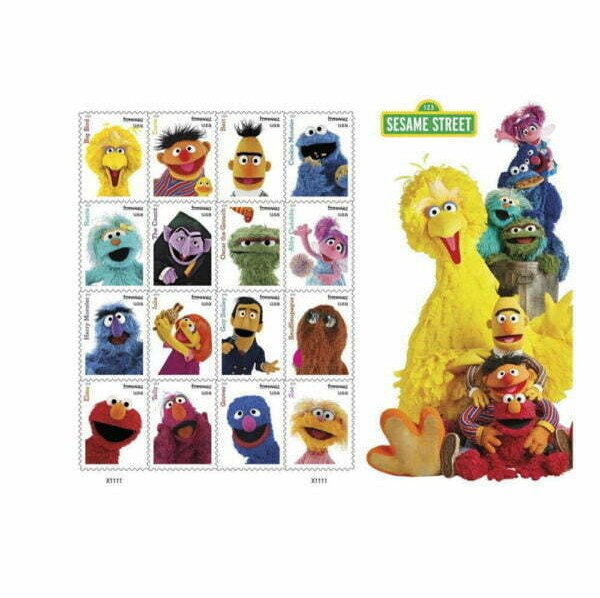
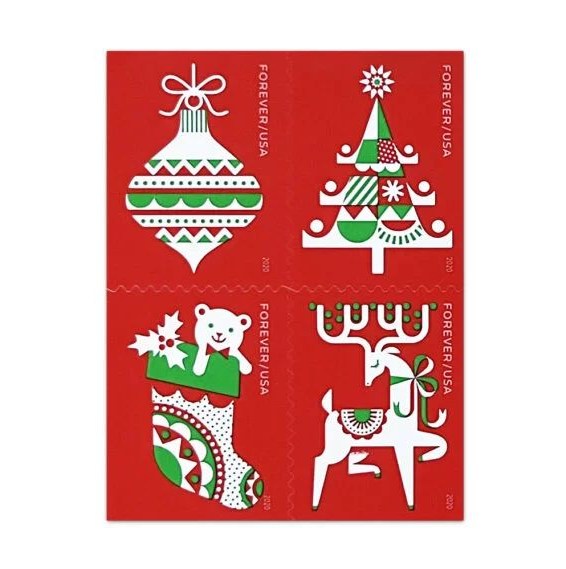
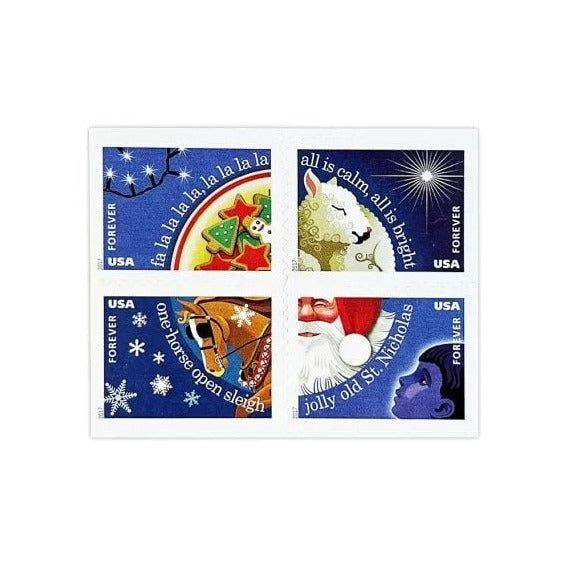
Buy retired designs below face. Surplus channels carry issues the USPS no longer sells — genuine Forever stamps, valid indefinitely, at a discount that is worth having on volume.
Best deals on Forever stamps
The two levers that matter most for a small business are weight discipline and buying ahead of announced increases. Design costs nothing either way, so choose it for the envelope rather than the budget.
Where to buy
The USPS official store for First-Class, two-ounce and international rates, or a verified surplus channel such as Forever Stamp Center for volume and retired designs.
The short version
Letters are a small share of postal revenue against a fixed nationwide obligation, which is why the price keeps moving. Weigh everything, stay standard-sized, use postcards where they fit, and buy retired designs below face.
More on buying Forever stamps
- 👉 Seven Increases Since 2021: Reading the Price Curve
- 👉 Nobody in the White House Sets the Price of a Stamp
- 👉 Where to Buy Stamps

Retired USPS mailroom supervisor with 30 years of service in Chicago. He now contributes columns on Forever Stamps, sharing trusted advice on spotting counterfeit risks and finding reliable discount deals for everyday mailers.
