The most common cause of delayed, damaged or returned mail is not carelessness. It is a mismatch between the packaging material and the postage applied — and the boundaries between categories are measured in fractions of an inch and degrees of flexibility.
Sorting equipment is a high-speed mechanical environment built for specific geometries. Get the geometry wrong and no amount of postage puts the piece back in the right lane.
The three classifications
| Classification | Physical constraints | Postage logic |
|---|---|---|
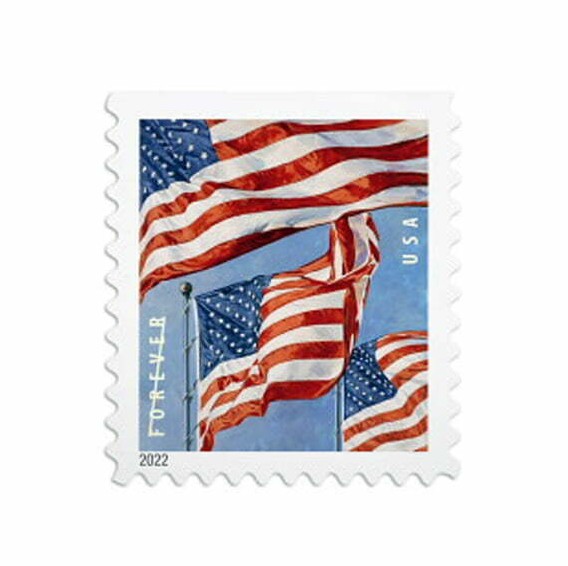
| Machinable letter | Flexible, under 1/4" thick, rectangular | 1 × Forever stamp ($0.78 retail / $0.62 surplus) |
| Large envelope (flat) | Flexible, over 6-1/8″ × 11-1/2″ | Base flat rate + additional ounces |
| Non-machinable | Square, rigid, or with bumps | Forever stamp + non-machinable surcharge ($0.46) |
The bend test
"Flexible" sounds subjective and is not. The Postal Regulatory Commission definition is mechanical: if it does not bend around a 10-inch cylinder, it is rigid.
That single test resolves most disputes on a mailroom floor. A batch of rigid mailers over a quarter-inch thick, stamped with single Forever stamps, are technically parcels — the sorting machines cannot process them at all, and the whole batch gets pulled for manual handling. On a large run, the delay-related overhead can reach several hundred dollars for a mistake that five minutes of checking would have prevented.
Best deals on Forever stamps

Material matters more than people expect
Modern packaging — recycled kraft, poly mailers, heavy cotton cardstock — interacts differently with both adhesive and sorting equipment. The shift from paper to polymer has changed the friction characteristics automated sorters have to handle.
Recycled kraft is porous and wicks moisture away from traditional gummed stamps. Use self-adhesive stock on these; it bonds where gum does not.
High-gloss coatings give adhesive very little to grip. Stamps can shift during high-speed sorting. Press each one down firmly rather than trusting contact alone.
Rigid inserts — an acrylic card, a hard backing, anything that will not bend — trigger the non-machinable rate immediately, regardless of weight. Using a dedicated non-machinable stamp also signals to a clerk that the premium has already been paid.

Why counterfeits fail mechanically, not just legally
Counterfeit stamps lack the infrared and ultraviolet markers the sorters read. But there is a second, less discussed failure: thickness.
Forgers frequently use a different grade of paper — slightly heavier or shinier than specification. When that stamp reaches the sorter, the sensor can flag it as an invalid object before any chemical check happens.
The practical implication is that a counterfeit does not merely risk seizure. It makes your mail invisible to the machine, which in a high-volume corridor is the most expensive property a mailpiece can have. Current detection data is published by the USPS Office of Inspector General, and social-media "overstock" claims are the standard bait.
Stock the denominations the geometry requires
Once you classify your mail properly, the buying list follows: standard Forever for machinable letters, flat-rate postage for large envelopes, non-machinable surcharge stamps for square and rigid pieces, additional-ounce stamps for the weight overruns.
Holding that array is what lets a mailroom price any piece correctly without improvising. Rate tables are in the USPS Notice 123 charts.
Where to buy
The USPS official store, or a verified specialist such as Forever Stamp Center that stocks the full denomination array rather than standard Forever alone.
Historical background on postal processing and materials science is available through the Smithsonian National Postal Museum.
The short version
Measure the thickness, apply the bend test, and classify before you buy postage. Match the adhesive to the material — self-adhesive on kraft, firm pressure on gloss. And keep the non-machinable stamps in the drawer, because rigid inserts trigger the surcharge no matter what the piece weighs.
More on buying Forever stamps
- 👉 The Baltimore Humidity Trap: How I Stop My Money from Sticking Together (Literally)
- 👉 Rolls of 100 Postage Stamps for Business: Authentic vs. Counterfeit
- 👉 Streamlining the Flow: How Stamps Reduce Bottlenecks in Office Mailing Routines

USPS professional based in New York with over 12 years of experience in postal operations. She writes about Forever Stamps, offering practical guidance on safe purchasing and mailing practices while closely following USPS policy updates.
