The window between a rate change being approved and taking effect is the most valuable month in the postage calendar, and most organizations spend it doing nothing.
Here is what to do with it, in order.
Week 1: Confirm the actual numbers
Do not work from a headline. Pull the approved figures from the Postal Regulatory Commission and the USPS Notice 123 charts.
Current planning baselines put First-Class in the $0.76–$0.78 range for a one-ounce letter. What matters more than the headline number is the shape of the change across classes, because letters, postcards and flats rarely move in step.
Week 1: Recalculate against your real mail mix
Take last year's actual volume broken out by type — letters, flats, additional-ounce pieces, postcards, non-machineable — and price it at both the old and new rates.
That difference is your exposure. It is also the number that justifies the pre-buy to whoever controls the budget.
Week 2: Size and place the pre-buy
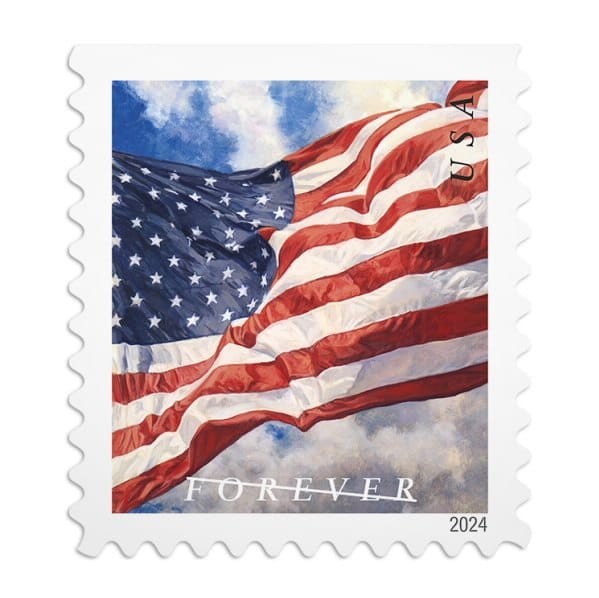
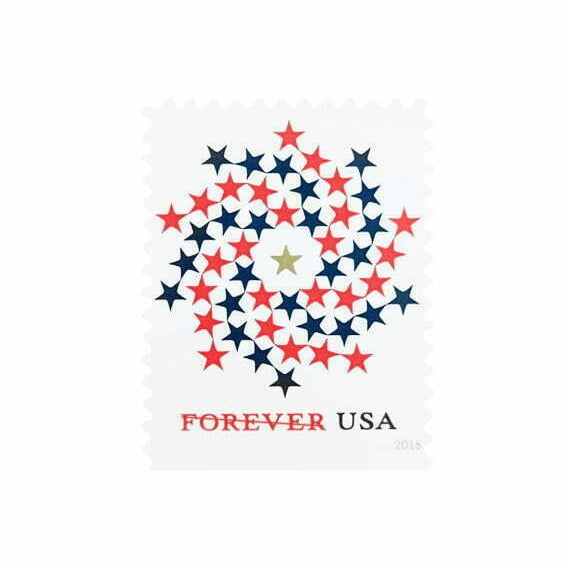
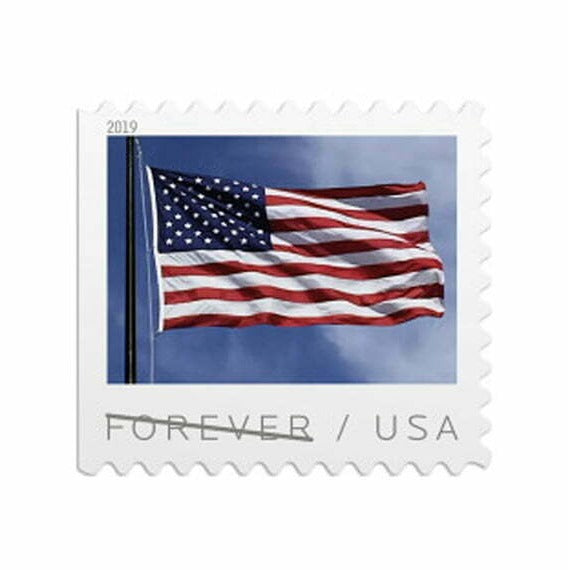
Forever stamps and the special-rate denominations all hold their value against increases, so stock bought now carries today's price for as long as it lasts.
Size against your peak period rather than your average — running short during the busy month is the only scenario that actually costs you. Then place the order early enough that supplier lead time does not eat the window.
Best deals on Forever stamps
Week 3: Watch for the scam surge
Counterfeit activity rises predictably after every announced increase, because budget pressure makes buyers receptive.
Hold the line on the ceiling: legitimate secondary-market sourcing supports roughly 10–20% off. Genuine stamps carry phosphor tagging that sorting equipment verifies on every piece, and untagged stock is pulled from the mail stream rather than delayed.
The USPS Office of Inspector General and the FTC publish current patterns — worth a look in exactly this window.
| Verification point | Verified specialist | "Liquidator" outlet |
|---|---|---|
| UV tagging | Correct phosphor response | Flat / inert |
| Adhesive | Permanent bond, federal spec | Temporary peel |
| Audit trail | US tax invoice | Personal payment app |

Week 4: Inspect, log, and update the cost sheet
When stock arrives, pull five samples per replenishment and check adhesion and batch consistency before it goes into storage. Reconcile the count against the invoice.
Then update your internal per-piece cost sheet with the new rates so that quotes, budgets and client estimates all move together. This is the step that gets skipped, and it is why organizations discover the increase months later in a margin report.
After the change: re-test your formats
Because classes shift relative to one another, a mailing designed around the old economics may now be the wrong shape. Re-run the comparison — a piece that was cheapest as a flat might be cheaper redesigned as a letter, or vice versa.
One pass through this after each adjustment keeps design decisions aligned with actual pricing rather than with a memory of it.
Where to buy
The USPS official store, or a specialist such as Forever Stamp Center that can hold quantity for a pre-buy and issue a proper invoice. For an urgent local top-up, the USPS location finder.
The short version
Confirm the real figures, price your actual mail mix at both rates, buy ahead sized to your peak, ignore the discount surge that follows, then inspect what arrives and update your cost sheet. Four weeks, and the increase stops mattering.
More on buying Forever stamps
- 👉 The Atlanta Scale: Why Estimating Wedding Postage is Harder Than Picking the Dress
- 👉 How to Spot Fake Booklets of 20 Postage Stamps Discount Offers Online
- 👉 Technical Specs: 2 Ounce Postage Stamps for Sale for Thick Envelopes

Stamp enthusiast and part‑time columnist based in Los Angeles. With a background in office administration and a personal passion for collecting Forever Stamps, she provides readers with practical tips on buying, storing, and using stamps effectively.
