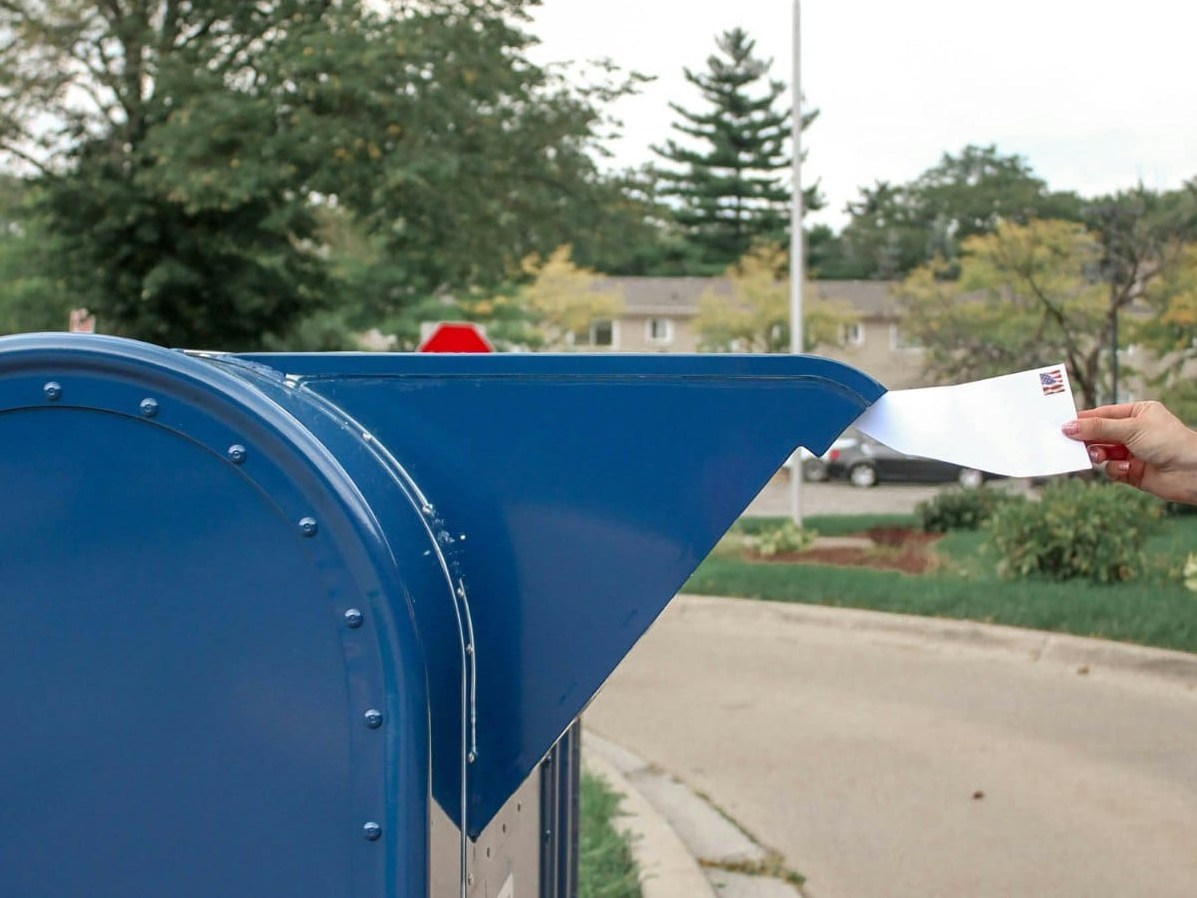
An RSVP card is the one piece of mail whose entire purpose is to come back. Everything about the postage decision should follow from that, and most of the common mistakes are made because it does not.
The reply envelope needs postage too
Start here, because it is the most frequently forgotten line in the budget.
If you want responses, you stamp the reply envelope. An unstamped reply envelope asks the recipient to find a stamp, which is a small task that reliably converts into "later," and later converts into never.
Budget two stamps per invitation, not one. On a large mailing that is a real number, and it is the number that determines whether the responses arrive.
Weigh the assembled piece — all of it
A standard RSVP card comes in at an ounce or less. The assembled invitation frequently does not.
Heavy stock is the usual culprit. Move to 120lb cardstock, add a reply envelope, add an insert card, add a wax seal, and you are over. At 1.01 oz you need an additional-ounce stamp — and without it the whole run comes back.
Assemble one complete invitation, including everything going inside, and weigh it before you buy postage for the batch. The scale settles what estimating cannot.
And check the shape
Square envelopes are non-machineable and carry a surcharge regardless of weight. So do rigid inserts, wax seals that create a lump, and anything with a clasp or ribbon.
These are decided at design stage, before the print run exists. Two minutes at a post office counter with a finished sample will price the piece exactly.
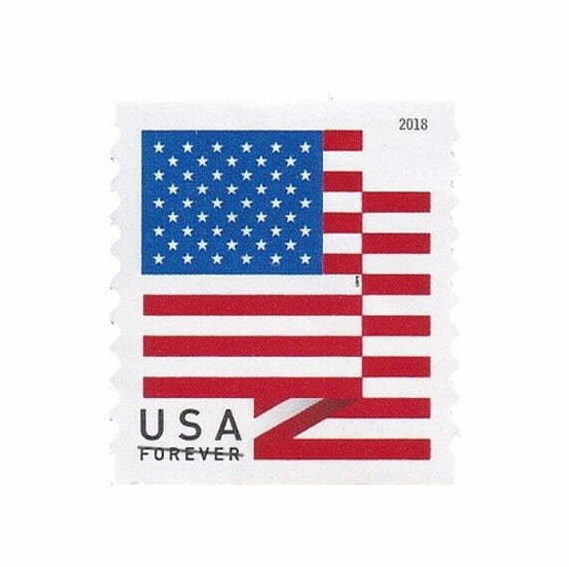
Best deals on Forever stamps
Why the cheap postage is a response-rate problem
For most mail, failed postage costs you a re-mail. For RSVP cards it costs you the response, which is the entire point of the exercise.
Genuine stamps carry phosphor tagging that sorting equipment verifies on every piece; untagged stock is pulled from the mail stream rather than delayed. A guest who receives an invitation with a fraud sticker on it does not RSVP — and for a corporate event where the venue and catering are already committed, that is a conversion problem attached to a fixed cost.
Genuine secondary-market sourcing supports roughly 10–20% off. Past that, the saving per card is a few cents and the exposure is the whole event.
| Sourcing strategy | Fraud risk | Impact on the project |
|---|---|---|
| Official USPS store | None | Delivery assured |
| Vetted commercial reseller | Negligible | Stable, invoiced supply |
| Social-ad "marketplace" vendor | High | Risk of the whole mailing being pulled |

Buy early, and buy ahead of rate changes
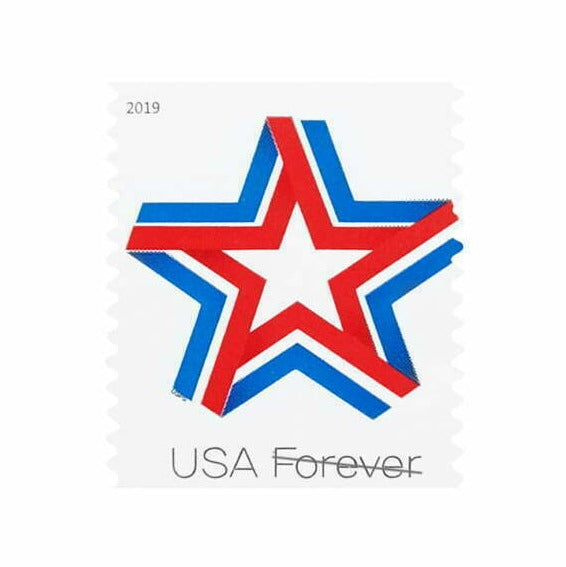
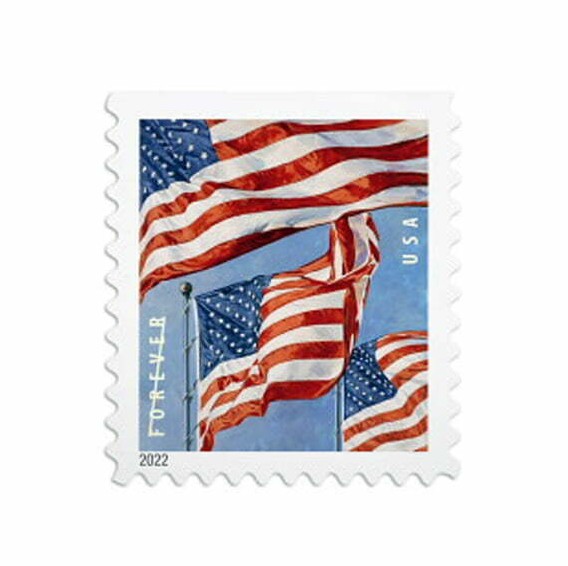
Two reasons. The designs suitable for an invitation are the ones that sell out, and Forever stamps hold their value against rate increases — so stock bought before an announced adjustment costs less on every card.
Rate changes are published in advance by the Postal Regulatory Commission, with current figures in the USPS Notice 123 charts. Tracking the cost basis of each coil is not overkill for a team running events on fixed budgets; it is how you avoid surprise mailing costs entirely.
Also worth watching: USPS service alerts, so you are not dropping a time-sensitive mailing into a regional bottleneck, and USPS financials for broader network context.
A checklist
- Stamp the reply envelope — budget two stamps per invitation
- Weigh one fully assembled invitation, everything included
- Buy additional-ounce stamps if it exceeds one ounce
- Buy non-machineable stamps for square or rigid envelopes
- Order early, while the design is in stock
- Check five samples on arrival for adhesion and consistency
Where to buy
The USPS official store, or a specialist such as Forever Stamp Center that carries Forever, additional-ounce and non-machineable stock together and issues a clean invoice. For emergency backup stock, the USPS location finder.
More on buying Forever stamps
- 👉 The Reverse Logistics Blueprint: Using Stamps for Effortless Customer Returns
- 👉 Heritage Stamps as Heirlooms: The Art and Longevity of Physical Postage
- 👉 The Physics of the Envelope: A Technical SOP for Calligraphy, Wax Seals, and Postage

Currently working at USPS in Chicago, he has more than 15 years of experience in bulk mailing and logistics. His columns focus on Forever Stamp trends, helping businesses and individuals make cost‑effective mailing decisions.
