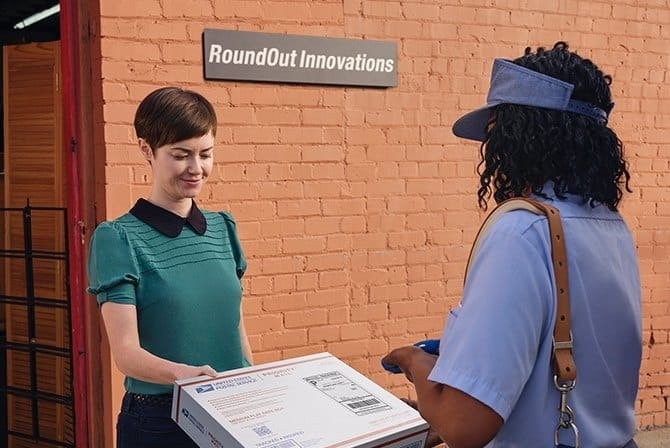
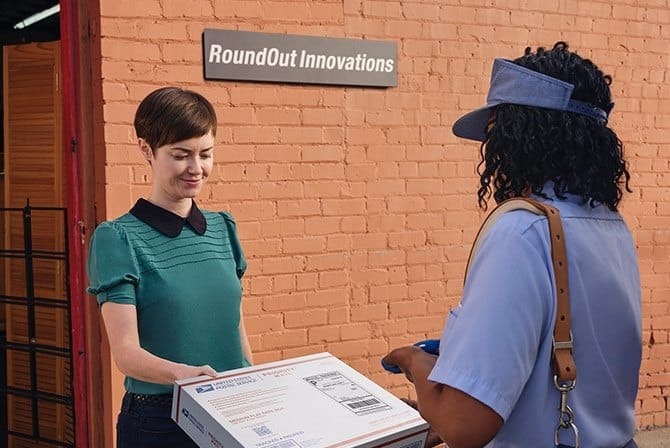
December mail competes with everything: holiday promotions, charity appeals, family cards. Whatever you send arrives into a pile.
January is the opposite. Mailboxes are light, budgets unlock, and people are back at their desks deciding what the year looks like. It is the least contested window in the calendar, and almost nobody uses it deliberately.
The two-part rhythm
One short, warm note before the holidays. One substantive letter after New Year. The first sets a tone; the second arrives when the reader can actually act on it.
- Before the holidays: gratitude, year-end hours, and a simple promise that you will be there in January.
- After New Year: what changed, how to reach you, what to expect this quarter. Useful beats clever.
A logistics manager who tried it described the reply she got: it's strange how calm this made me feel. That is the whole mechanism. Consistency read as reliability, delivered in a medium that does not demand an immediate response.
Best deals on Forever stamps
Where prices actually stand
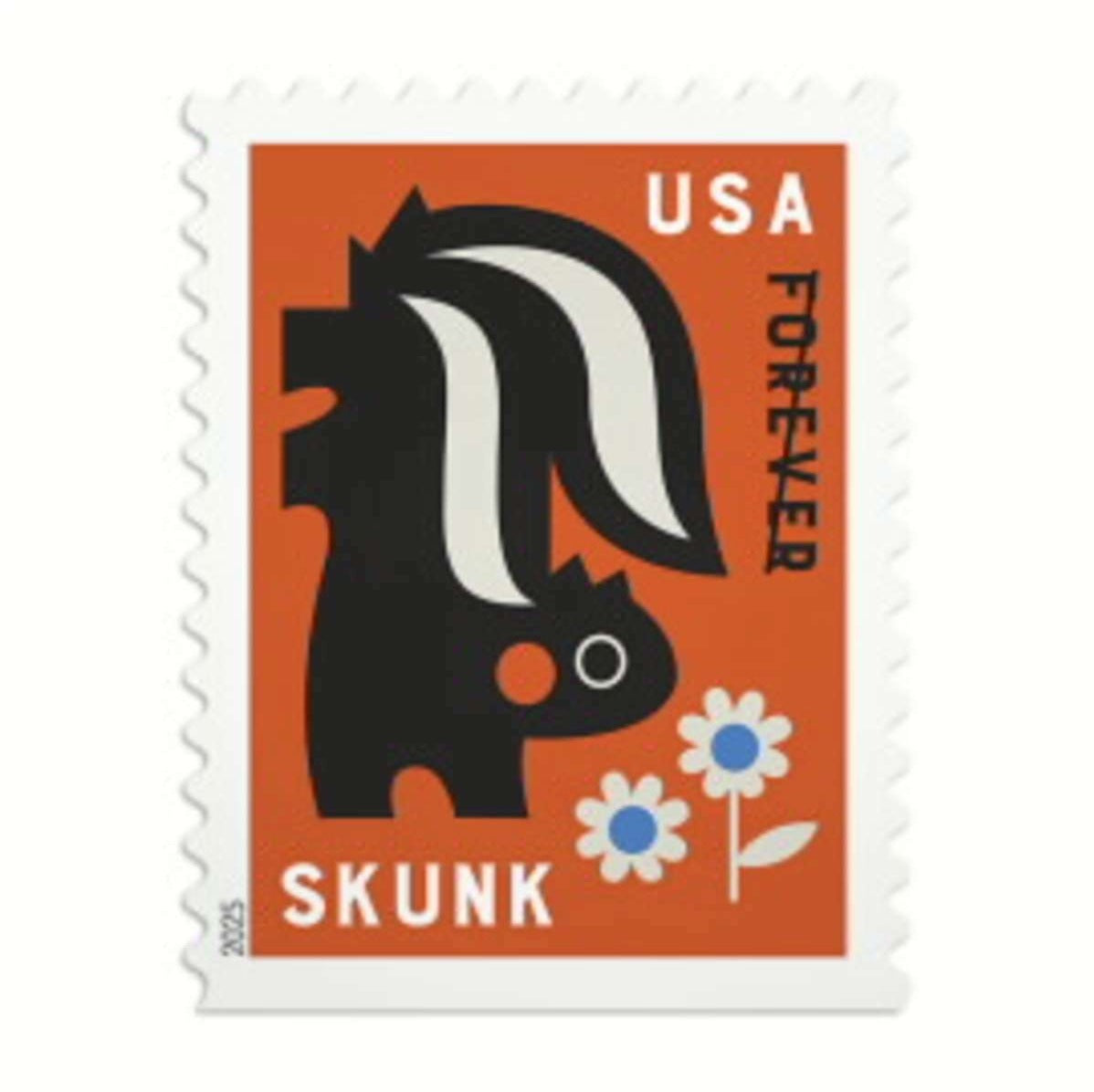
Forever stamps hold at 78 cents, and the USPS has confirmed no change for January 2026. That is the announced position; anything about later in the year is expectation rather than schedule.
The practical consequence is a planning window. If you mail regularly through the first half of the year, buying now fixes the price on postage you will definitely use. If you mail occasionally, a modest reserve does the same on a smaller scale.

Timing and materials
Send mid-January. Attention has returned and the December flood has cleared. Reserve late January for a single follow-up to people who did not reply — one, not a sequence.
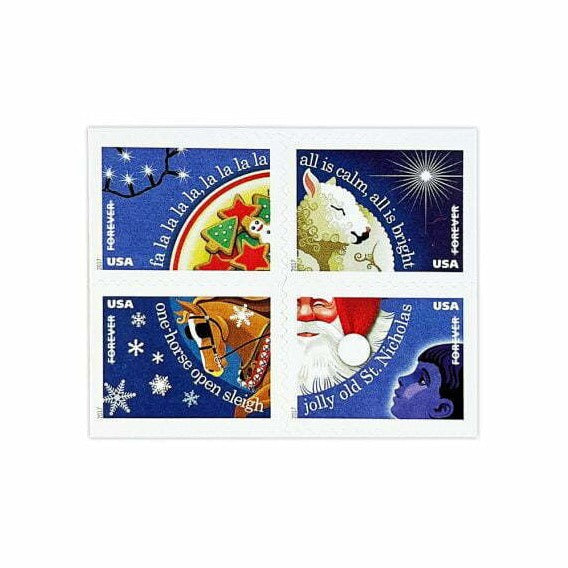
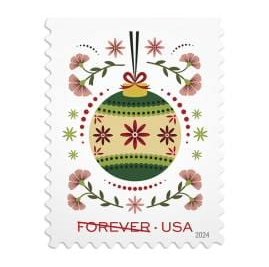
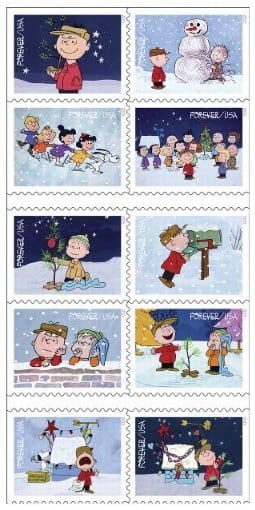
Keep the envelope conventional. Correct size, legible address, clean layout. On broad mailings, classic stamp designs signal credibility; novelty issues work when the audience is small and the theme fits, and read as odd when it does not.
Write one line by hand. "Thanks for sticking with us through the busy season." People keep those. It costs ten seconds and it is the part that gets remembered.
Buying safely: think in channel types, not brand names
The discount tells you most of what you need before you evaluate anything else.
| Discount | What it means | What to do |
|---|---|---|
| Above 50% off | Counterfeit. There is no supply chain that produces this | Close the tab |
| 10–25% off | Plausible surplus — overstock or business liquidation | Verify the seller, then buy |
| Face value or slight discount | Safest, and the right choice for compliance mail | Buy without further thought |
Within that, the channels differ in what they are good for rather than in whether they are legitimate:
- Official postal channels — highest authenticity, little or no discount, sometimes slower fulfilment. Correct for compliance and legally significant mail.
- Established general retailers — face value, strong returns, physical pickup. A dependable backup when you run short.
- Large marketplaces — wide selection and buyer protection, but listings are seller-by-seller. Check trading history before any bulk order; a new account offering deep bulk discounts is the specific pattern to avoid.
- Specialist surplus sellers — focused inventory, better provenance, the 10–25% range. Best for recurring volume.
- Local groups and secondhand listings — highest risk and no recourse. Fine for a booklet, wrong for a mailing.
How to vet without becoming an expert
You do not need forensic skills. You need habits that make the question rarely arise.
- Seller history. Long trading record, consistent reviews, real product photographs. Avoid new accounts making large bulk claims.
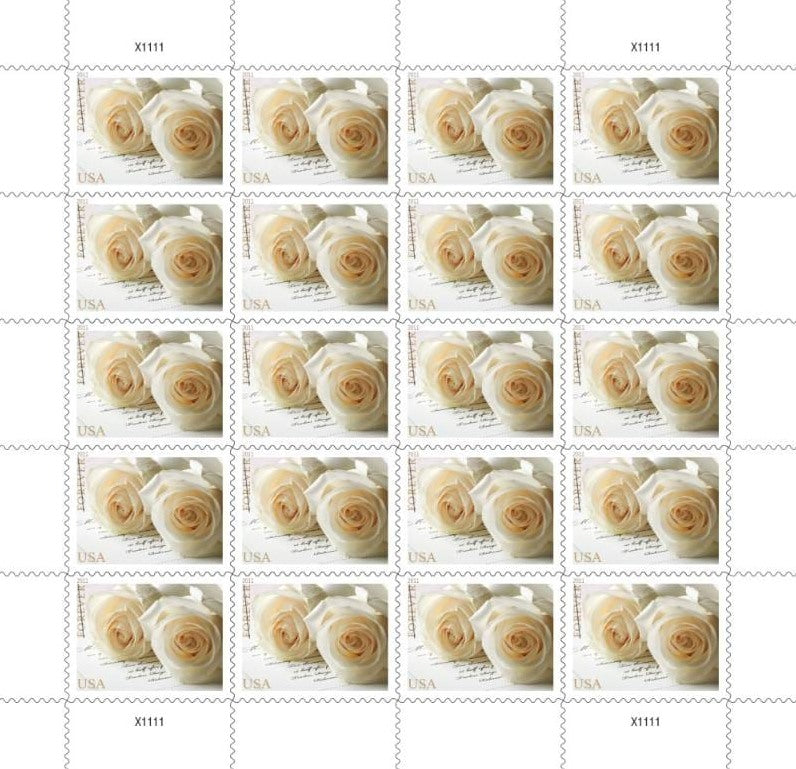
- Physical inspection. Genuine sheets have crisp printing, aligned barcodes and clean perforations. Colour shifts, fuzzy lines and misaligned perforations are the tells.
- Paperwork. Documented origin, a real returns window, responsive contact. Vague provenance plus "all sales final" is the combination to walk away from.
Current counterfeit schemes are documented by the U.S. Postal Inspection Service, which is a better guide than anything circulating on social feeds.
How much to hold
- 100–500 pieces a month — one to three months of supply, reordering when you drop below 30% of the lot.
- 500–2,000 a month — two to four months, and consider two reputable suppliers so a single delay does not stop your mail.
- Seasonal senders — enough for the next cycle plus a cushion. Do not overstock specialty designs you will not use again.
- Under 50 a month — a reserve of 100 to 200 is plenty.
The reason to hold stock is not only price. It is that you never end up making a purchasing decision at 9pm with a stack of addressed envelopes in front of you — which is exactly when a half-price listing starts to look reasonable.
Operational safeguards
- Label each lot with its source and arrival date, so a problem can be traced to a batch rather than to the whole cupboard.
- Test any new supplier with a small mailing before you scale to them.
- Photograph sheets and rolls on arrival. Thirty seconds now, and a documented record if you need to make a claim.
- Keep a small official-channel reserve so a failed delivery from a new supplier does not stop you mailing.
Where to buy
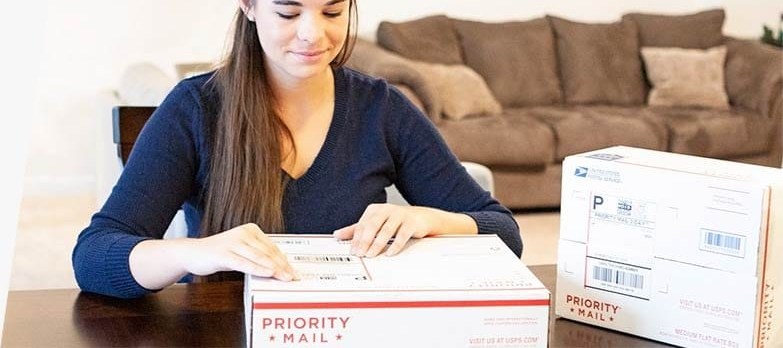
The USPS official store for compliance mail and the standing reserve, or a verified surplus channel such as Forever Stamp Center for recurring volume — including Flag series stamps, which carry the institutional tone most business mail wants.
The short version
Send one warm note in December and one useful letter mid-January. Keep the envelope conventional and add a handwritten line. Buy the year's postage while the price is fixed, keep the discount inside 25%, label every lot, and never buy stamps in a hurry.
More on buying Forever stamps
- 👉 Celebrating Remarkable Individuals: People on U.S. Postage Stamps
- 👉 The Hours You Lose Standing in Line for Stamps
- 👉 When Retail Postage Starts Costing You Real Equipment

Retired USPS mailroom supervisor with 30 years of service in Chicago. He now contributes columns on Forever Stamps, sharing trusted advice on spotting counterfeit risks and finding reliable discount deals for everyday mailers.
