Volunteers spent three days assembling 600 gala invitations — thick cardstock, velvet ribbon, donation envelope enclosed. A standard Forever stamp went on each one.
They came back marked postage due, $0.46. An organization asking for donations had, in effect, mailed everyone a small bill.
The ribbon caused it. Not the weight — the bump.
Two rules that decide the rate
- The quarter-inch rule. Thicker than 1/4 inch — from a ribbon, a seal, or simply too many inserts — and the piece is non-machinable.
- The bend rule. If it will not flex around a drum roughly the diameter of a coffee can, it is handled as a parcel, not a letter.
Sorting equipment is indifferent to intent. A bump jams the machine, and the machine rejects the letter.
The fix for anything with a ribbon is the non-machinable butterfly stamp at about $1.27 against $0.78. It costs more and it arrives, which is the entire comparison.
| Class | What it covers | Postage | Rate |
|---|---|---|---|
| First-Class letter, 1 oz | Standard letters, donation receipts | Forever stamp | $0.78 |
| Non-machinable letter | Ribbons, squares, rigid inserts | Butterfly stamp | $1.27 |
| Postcard | Service reminders, short notes | Postcard stamp | $0.61 |
| Large envelope (flat) | Thick monthly newsletters | Two-ounce or flat rate | From $1.63 |
Best deals on Forever stamps
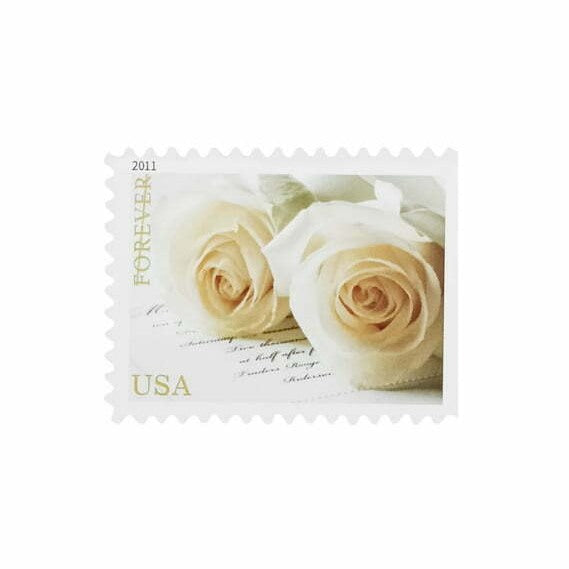
Nobody opens a window envelope
For donation appeals, the envelope's job is to not look like a bill. A window envelope with a Flag stamp reads as an invoice from an institution, which is precisely the wrong signal on a letter asking for generosity.
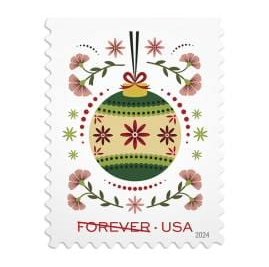
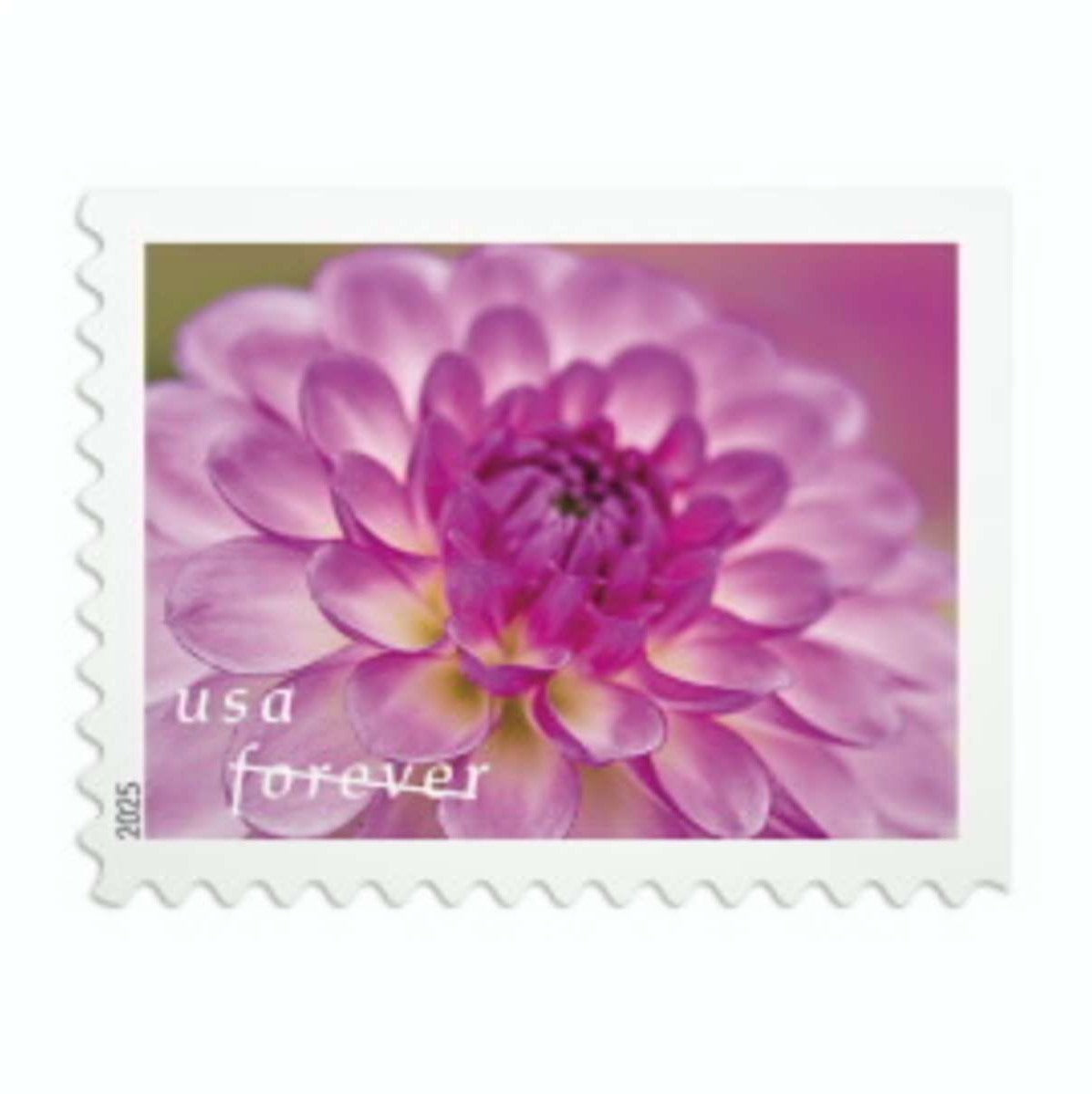
Switching to bright, illustrated issues — children's and community-themed designs, nostalgic legacy sheets — produced an 18% higher open rate than the Flag on the same appeal.
The objection is whether a cartoon on a letter asking for $500 is dignified. Tested against the alternative of not being opened at all, it is.
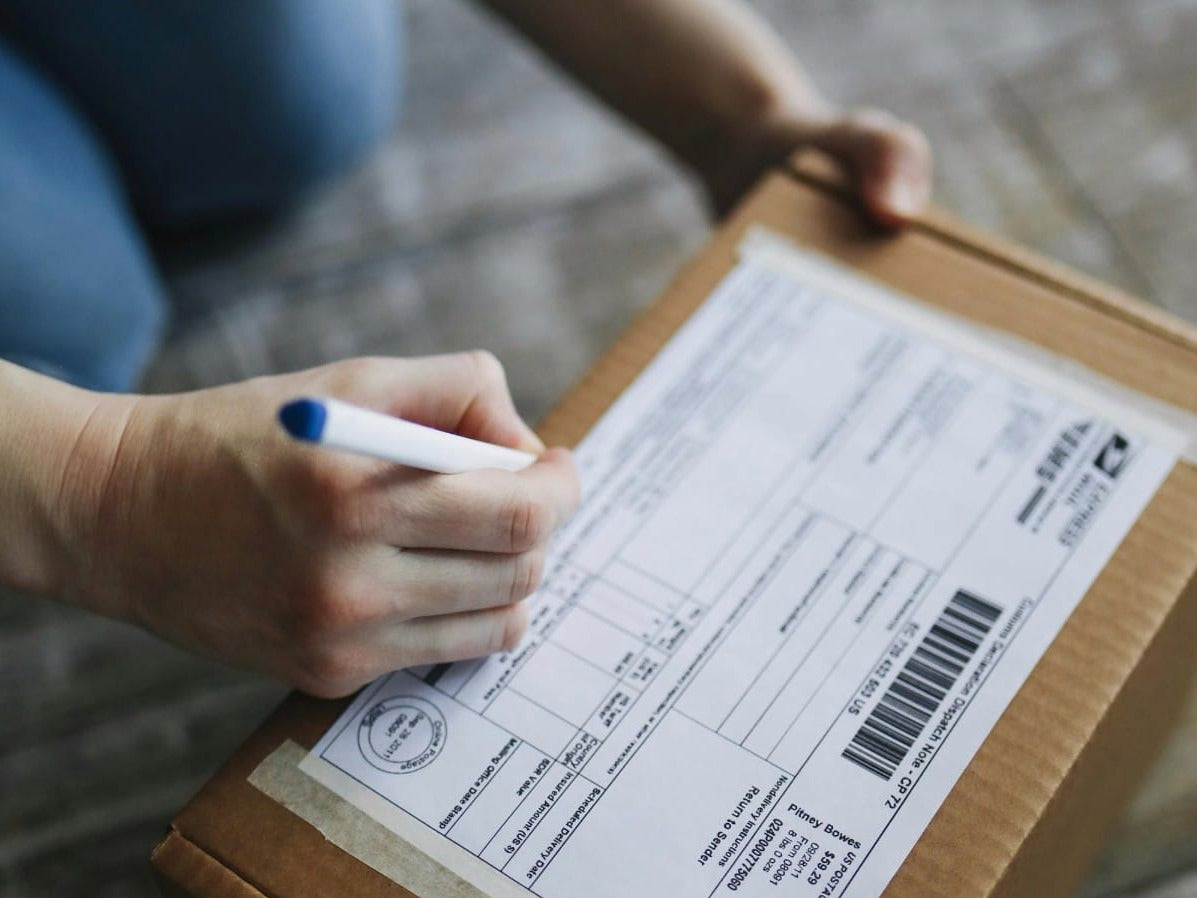
Buying illustrated stamps without paying retail
Those designs cost $0.78 new, which hurts on volume. But a Forever stamp issued in 2017 works exactly like one issued this year, so older stock is the answer.
For 1,200 newsletters a month — 14,400 a year — surplus coils at around 20% off:
- Retail at $0.78: $11,232
- Surplus at $0.62: $8,928
- Difference: $2,304, which bought a projector
Keep the tiers separate: official retail for year-end tax statements and anything legally significant, a local shop for the Saturday-night emergency when someone needs 50 schedules mailed, and surplus for the recurring volume where the savings compound.
How to spot the bad offer
An ad promising 50% off and specifically "helping churches save" led to a site with broken grammar and a domain registered three days earlier. Legitimate surplus sits in an 8–25% band; the appeal to your mission is part of the pitch, not evidence of one.
Buy the seasonal stock early
Rates have tended to adjust mid-year. Buying Christmas postage in spring, at the surplus rate, fixes that cost before the change — storing during plenty for the lean months, which is a familiar enough principle.
Announced adjustments appear via the Postal Regulatory Commission, with class definitions in Notice 123.
Where to buy
The USPS official store for non-machinable and tax mailings, or a verified surplus channel such as Forever Stamp Center for newsletter volume and illustrated issues.
The short version
Measure thickness before you buy postage, use the butterfly stamp for anything with a ribbon, choose warm designs over the Flag on appeals, and buy the recurring volume as surplus so the difference funds the ministry rather than the mailing.
More on buying Forever stamps
- 👉 A Stamp Order That Cost a Listing
- 👉 When Retail Postage Starts Costing You Real Equipment
- 👉 How to Choose the Right Children's Stamps for Bulk Purchases

USPS specialist based in Los Angeles with extensive experience in postal operations and customer service. Certified in mail management and trained at the USPS Business Mail Academy, she offers reliable guidance on Forever Stamps and practical mailing solutions.
