

Watch someone collect their mail and you will see the real funnel. They stand at the box, thumb through the stack, and drop most of it in the bin without opening anything. Bill, bill, junk, junk.
That triage takes about a third of a second per piece. Every dollar spent on paper stock, photography and copy is spent on the assumption that the envelope survives it — and the only thing being evaluated at that moment is the outside.
What the thumb is actually reading
Three things separate an envelope that gets opened from one that does not, and none of them are the design.
Texture. A stamp has physical relief. A printed indicia is flat. The thumb registers the difference before the eye interprets anything, and that half-beat interrupts the discard motion.
Imperfection. A hand-applied stamp is never quite square. Slight crookedness reads as a person; perfect alignment reads as a machine. It is one of the few cases where a flaw is doing useful work.
Known cost. Everyone knows roughly what a stamp costs. A permit imprint has no price attached in anyone's mind. Spending 62 cents to reach someone is a legible signal in a way that a barcode is not.
None of this is a trick. A permit imprint honestly says you are one of many, and a stamp honestly says this was worth paying for. The envelope is telling the truth either way.
Best deals on Forever stamps
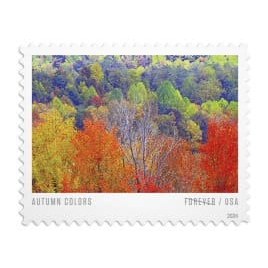
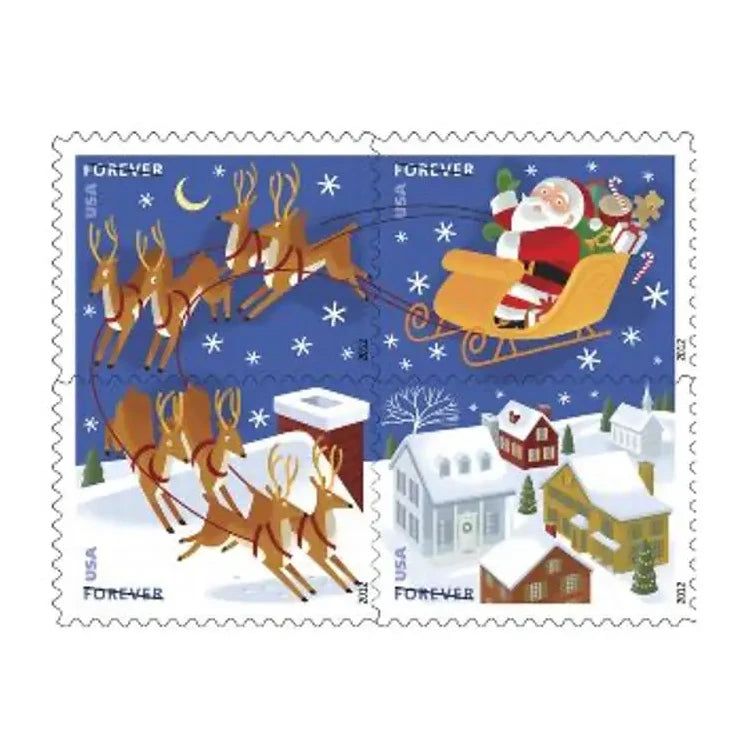
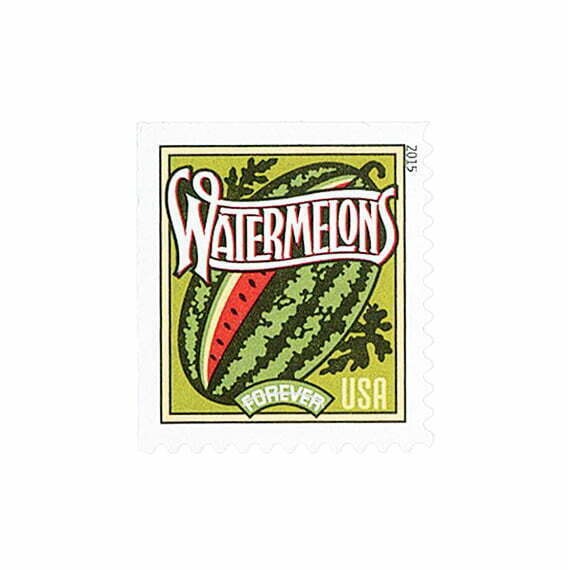
The efficiency trap
Metered mail at $0.55 is genuinely cheaper per piece than a stamp. That is the whole case for it, and it holds right up until you divide by responses instead of by pieces.
A campaign that is never opened has an infinite cost per lead regardless of what the unit price was. Cheap postage on discarded mail is the most expensive postage available — and mail that reads as bulk gets discarded at very close to the rate you would guess.
Why this does not have to cost retail
The obvious objection is that stamps cost $0.78 against $0.55, and at annual volumes that difference is real money.
It is also avoidable. Surplus coils of recent issues run about $0.62 — genuine postage, valid indefinitely, at roughly seven cents above the metered rate rather than twenty-three. The physical signal survives; most of the cost gap does not.
Design choice compounds it. Florals and Love issues outperform plain Flags on invitations, and bought as surplus they cost no more than the Flag would at retail.

The one thing that undoes all of it
If the signal you are buying is authenticity, the postage cannot be fake. A 50%-off stamp on a luxury offer is not a clever saving; it is fraudulent postage on a letter your brand signed.
Authentic surplus exists because retail overstock and business liquidations exist. Half off does not.
Where to buy
The USPS official store, or a verified surplus channel such as Forever Stamp Center at campaign volumes.
The short version
Your campaign is judged at the recycling bin, by a thumb, in about a third of a second. Buy the texture, accept the crooked stamp, and source it below face so the decision survives the budget review.
More on buying Forever stamps
- 👉 Holiday Stamps: The Ultimate Guide for Christmas
- 👉 What Is the Cheapest Place to Buy Postage Stamps?
- 👉 The Ultimate Guide to Planning a Holiday Wedding Without Overspending

Retired USPS mailroom supervisor with 30 years of service in Chicago. He now contributes columns on Forever Stamps, sharing trusted advice on spotting counterfeit risks and finding reliable discount deals for everyday mailers.
