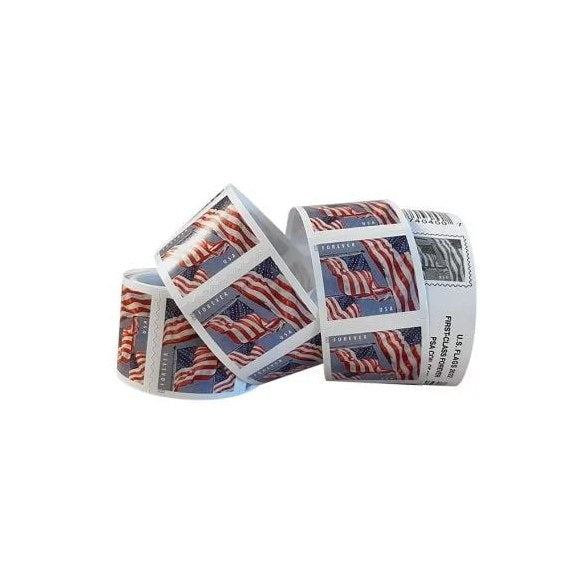
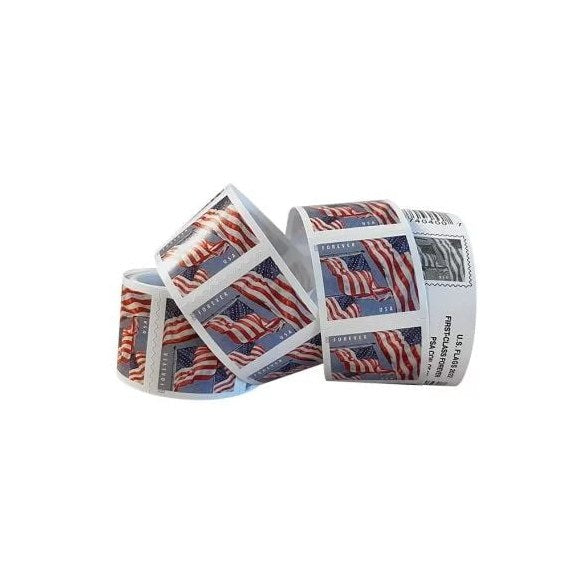
The stamp goes in the top right corner of the front of the envelope. Return address top left, delivery address centred.
What is more interesting is why — and what actually happens if you ignore it.
Where the rule came from
When US postage stamps were first issued in 1847, placement did not matter. A clerk examined every envelope by hand, and a stamp anywhere on it was visible.
That changed in the 1890s, when the Post Office introduced machines to assist with cancellation — the process of marking a stamp so it cannot be reused. Machines needed to know where to look, so a convention was required.
The top right corner was chosen for an unglamorous reason: it suited a right-handed operator feeding envelopes through the equipment. A workflow decision from the 1890s is why your envelope looks the way it does today.
What happens if you put it elsewhere
Modern equipment uses optical scanning, so exact position matters far less than it once did. A stamp on the back of an envelope will generally still be processed — the Postal Service's own guidance is that following the convention speeds handling rather than being a condition of delivery.
There is deliberate flexibility built in, too. Large or irregular items where the corner is awkward are fine as long as the postage is somewhere logical and grouped together.
Two practical constraints do apply: stamps must not overlap each other, and additional postage can go on the back if the front is full.
The other thing placement has meant
There is a long folk tradition of stamp orientation carrying a private message. An upside-down stamp meant I love you; a stamp set at an angle carried its own meaning. Victorian correspondents used it to say things they could not write where a parent might read them.
Similar informal systems have persisted anywhere mail is read by someone other than the recipient — a small, durable piece of ingenuity that has nothing to do with postal regulation.
None of it affects delivery. It does mean an envelope can carry a second message alongside the first, which is more than an email manages.
Damaged stamps
A stamp is valid as long as it can be verified as legitimate postage, and the Postal Service decides. Small corner tears and creases are not a problem. A stamp with a major area torn, missing or obscured may be rejected.
The practical rules: affix it properly so it cannot lift or tear in transit, and do not tape a grubby old stamp to an envelope and hope. A clean stamp, well stuck down, is fine regardless of its age.

Best deals on Forever stamps
Before worrying about placement, the more consequential question is whether you have the right stamp at all — the right rate for the weight, and the right class for the shape.
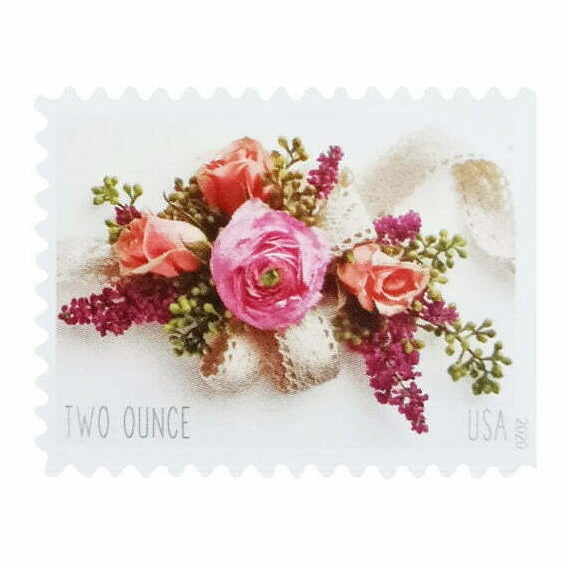
Surplus channels are also where you find two-ounce stamps and older designs the USPS no longer sells, which matters if you are matching postage to an invitation suite.
Where to buy
A local post office, the USPS online store, grocery and pharmacy chains that stock booklets, or a verified surplus channel such as Forever Stamp Center for postage stamps in quantity and retired designs.
The short version
Top right, front, not overlapping. The rule exists because of 1890s cancelling machines and right-handed operators; modern scanners are more forgiving, but following it still speeds your mail up.
More on buying Forever stamps
- 👉 Properly Fill Out an Envelope: A Step-by-Step Guide
- 👉 What Envelope Size Needs Extra Postage?
- 👉 What Happens If Not Enough Postage Is Adhered to a Letter

Retired USPS mailroom supervisor with 30 years of service in Chicago. He now contributes columns on Forever Stamps, sharing trusted advice on spotting counterfeit risks and finding reliable discount deals for everyday mailers.
