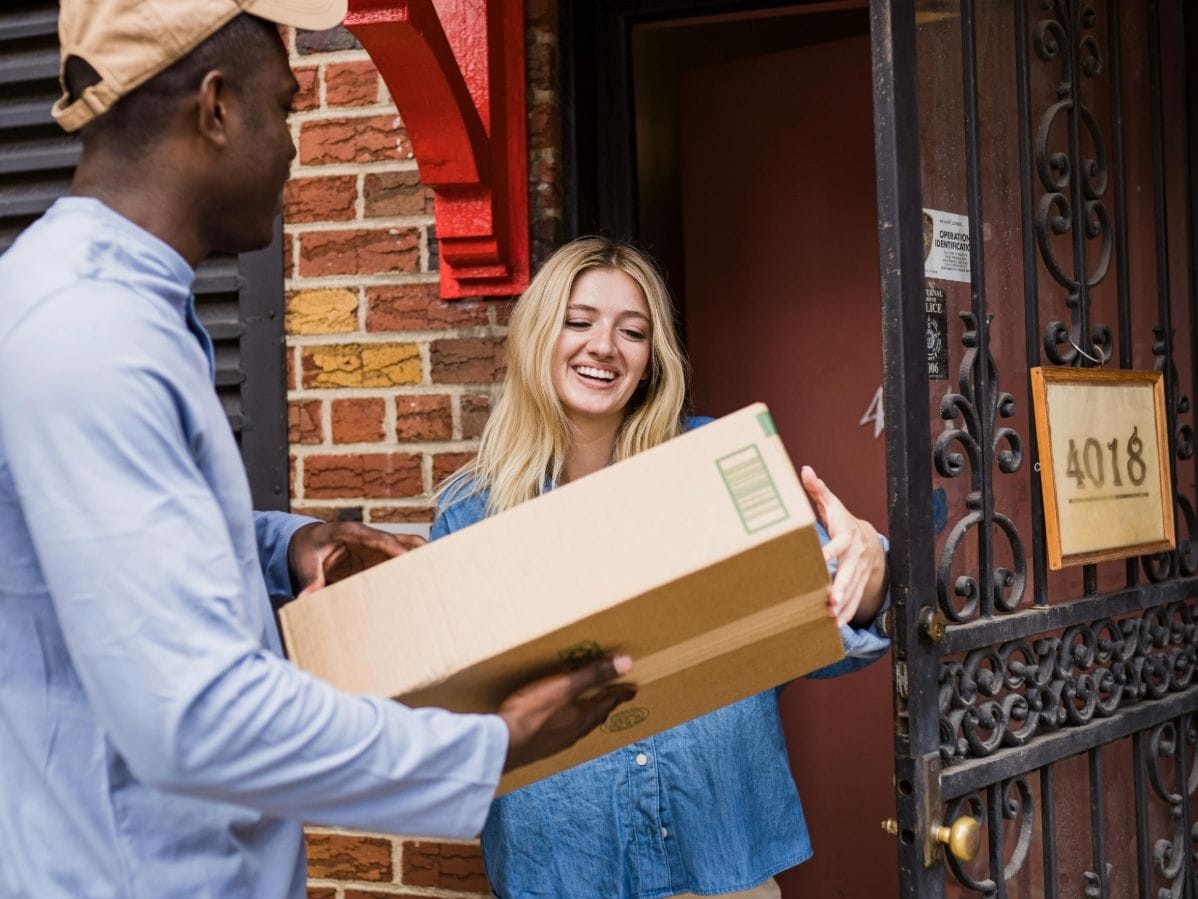
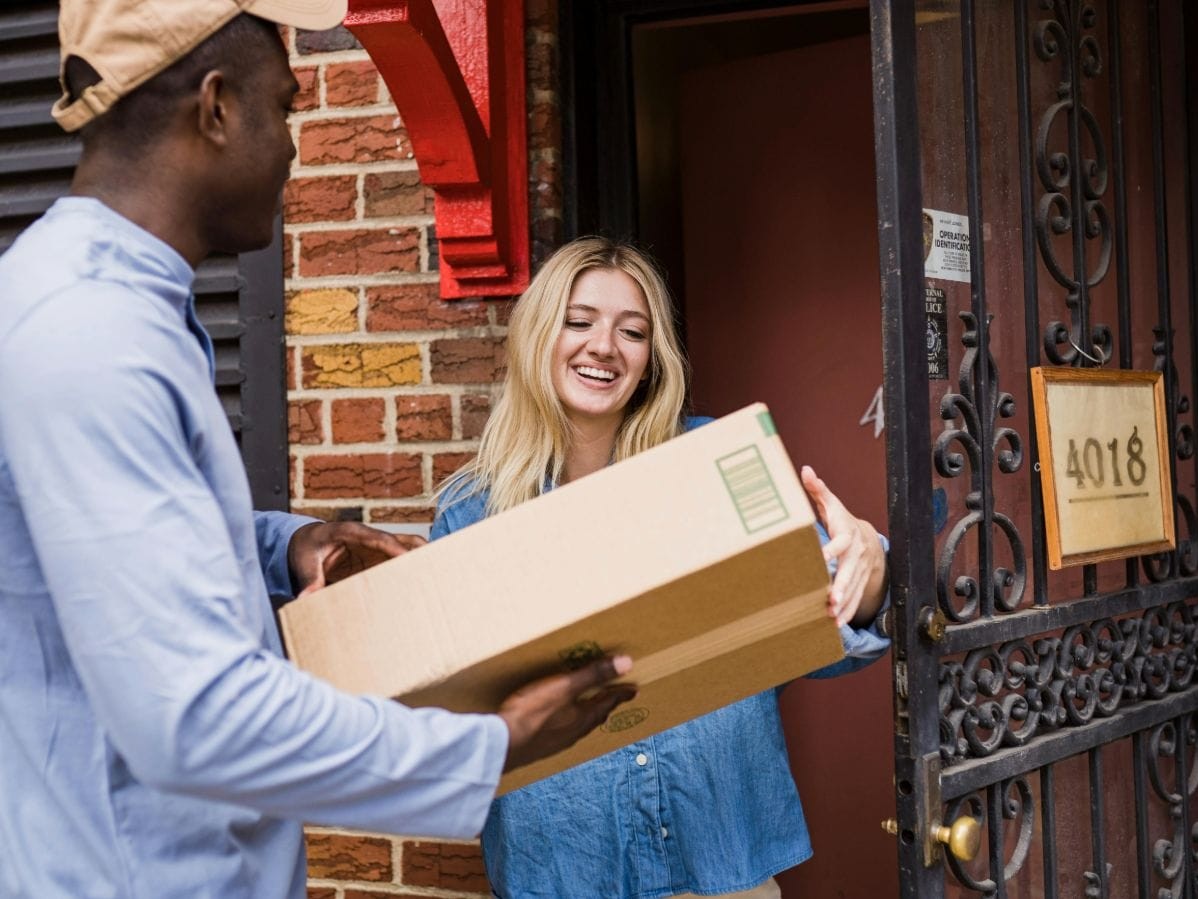
A development director ran both channels side by side for one year-end appeal: 5,000 emails and 500 physical letters.
The email campaign returned $2,000. The letters — about $400 in printing and postage — returned $15,000.
That is not an argument against email. It is an argument about what a donor is being asked to feel like: a line on a list, or a person someone wrote to.
Cost-per-dollar-raised, honestly measured
The sector talks constantly about cost-per-dollar-raised, and digital gets credit for being nearly free. Free outreach that produces no response is not efficient; it is just cheap.
| Appeal method | How it reads to the recipient | Conversion |
|---|---|---|
| Mass email blast | Indistinguishable from spam | 0.5% – 1.5% |
| Metered business mail | Looks like a bill | 3% – 5% |
| Hand-stamped appeal | Reads as a letter | 12% – 18% |
One board chair pushed hard for the cheapest bulk-metered rate on fiduciary grounds. The counter-argument that settled it was arithmetic: at a 15% conversion rate, every dollar of postage on stamped mail returned about $37.50 in donations, against roughly $12.00 at the bulk-metered rate.
Best deals on Forever stamps

Personalization that survives volume
The hard part is keeping the personal quality once the mailing gets large. Three practices carry it:
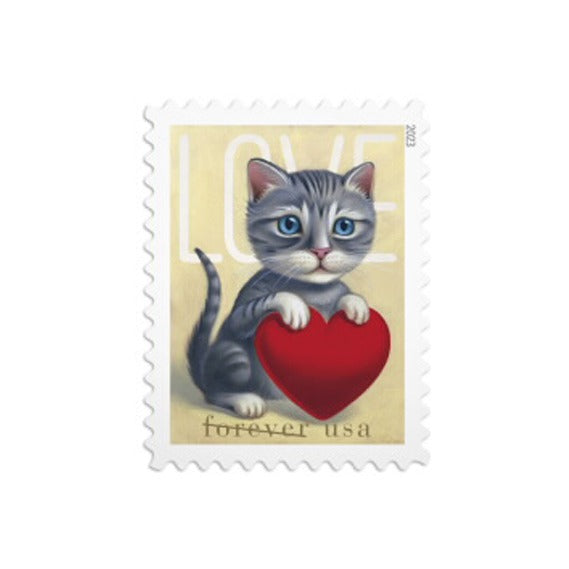
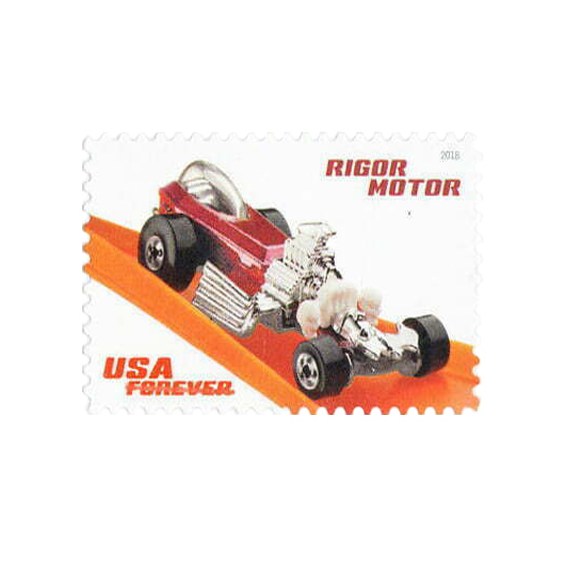
- Match the stamp to the mission. Fundraising for community gardens? Use a floral issue. Historic preservation? A heritage series. The stamp becomes part of the message rather than a cost line.
- Run volunteer stamping evenings. Hand-application by supporters cuts overhead and builds engagement at the same time — the people applying the stamps become more invested in the appeal.
- Audit the postage annually. Nonprofit transparency obligations extend to what you spend and where you bought it. Keep invoices that would survive a look.
For timing, First-Class remains the reliable channel for date-sensitive year-end appeals; the current rate table is in Notice 123, and disclosure requirements are published in the Federal Register. General operational guidance for small organizations is available from the SBA.
The risk that is specific to nonprofits
For a mission-driven organization, reputation is the balance sheet. Counterfeit postage on a donor appeal is not a postage problem — it is a credibility problem.
Fakes fail ultraviolet verification at processing facilities, and the appeals come back to donors marked as fraudulent. One local charity had its gala invitations returned that way after a well-meaning volunteer bought "discount" stamps from an unverified site. Donors could not tell whether they were looking at incompetence or something worse, and either reading was fatal.
Offers of 40-cent stamps under a "stockroom clearance" story are fraudulent. Authentic surplus runs 10–25% below face through verified channels — enough to matter on a large mailing, not enough to be a red flag. Detection data is published by the USPS Office of Inspector General and the GAO.
Where to buy
The USPS official store, or a verified surplus channel such as Forever Stamp Center for the volumes an annual appeal requires.
The short version
Donors respond to being written to. Hand-stamped appeals convert at several times the rate of email or metered mail, the postage premium is small against the return, and the only real risk is buying postage from someone who cannot show you where it came from.
More on buying Forever stamps
- 👉 2026 Bulk Mailing SOP: A Practical Workflow for Small Businesses Using Bulk Stamps
- 👉 The Columbus Hedge: Why I Started Treating Stamps Like a Stock Portfolio
- 👉 The Paris Protocol: Solving the "Return Envelope" Problem for International Wedding Guests

Stamp enthusiast and part‑time columnist based in Los Angeles. With a background in office administration and a personal passion for collecting Forever Stamps, she provides readers with practical tips on buying, storing, and using stamps effectively.
