
"What does it cost to mail a letter" has no single answer, because price is decided by four things in sequence. Work through them in order and you will never short-pay a piece again.
Question 1: Is it a letter, a flat, or a parcel?
Shape decides the category before weight is considered.
A letter is rectangular, flexible, within the standard size range and of uniform thickness. Anything larger goes to large envelope (flat) pricing, which costs considerably more. Anything rigid or boxy is a parcel.
This is where most surprises originate — a piece that feels like a letter but measures a quarter-inch too long is priced in a different bracket entirely.
Question 2: Does it stay inside automation?
Even a correctly-sized letter can fall out of the machine stream. Square envelopes, rigid inserts, clasps, wax seals, ribbon and uneven thickness all trigger the non-machineable surcharge.
This charge applies on top of everything else and is independent of weight. A square invitation weighing half an ounce still owes it.
Question 3: What does it weigh, assembled?
Weigh the finished piece with everything inside it — inserts, reply envelope, the lot.
- Under one ounce: a single Forever stamp.
- Just over: Forever plus an additional-ounce stamp — cheaper than two Forever stamps.
- Up to two ounces: a two-ounce stamp, which is the correct single denomination and costs less than stacking.
The one-ounce line is thinner than it looks. A staple, a heavier stock, one extra sheet — any of them can cross it.
Question 4: Do you need proof or speed?
Ordinary First-Class postage carries no tracking. If the arrival date could ever be disputed, add a service: a Certificate of Mailing proves you sent it, Certified Mail adds a delivery record, Return Receipt gets you a signature. Each costs a fee on top of postage and is far cheaper than upgrading the whole piece to Priority.
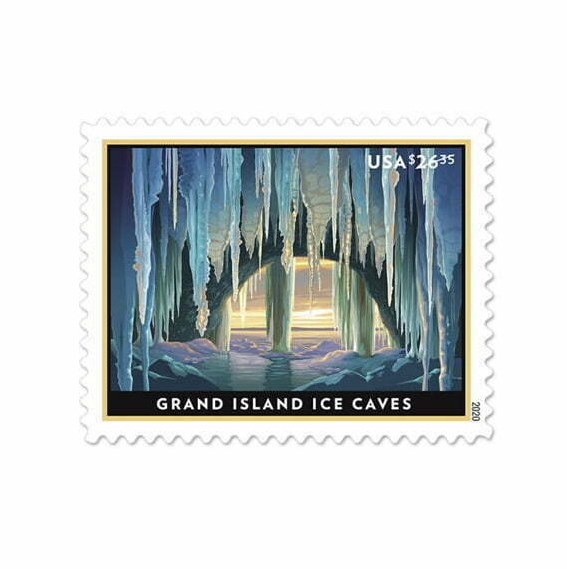
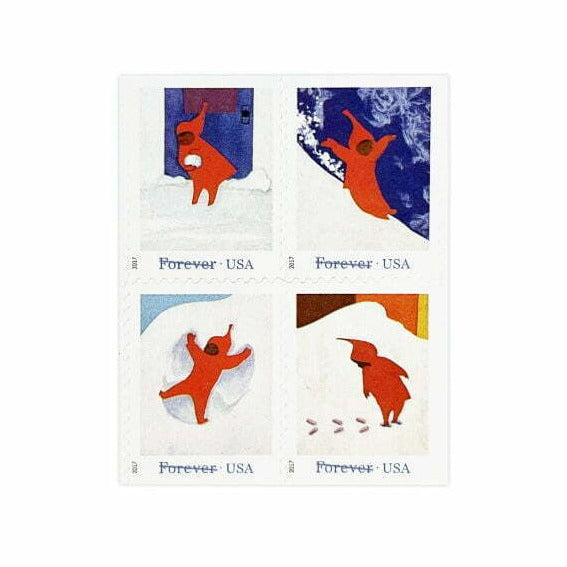
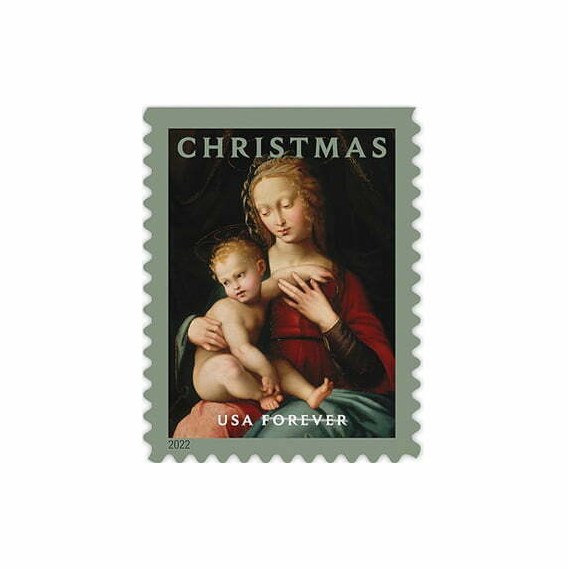
Best deals on Forever stamps
Where the current numbers live
The USPS Notice 123 price list carries every class and surcharge and is the document to build an internal cost sheet from. Rate changes are published ahead of time by the Postal Regulatory Commission — which is your notice to buy buffer stock before the increase, since Forever stamps hold their value against future adjustments.
The discount ceiling
One number worth carrying around: any bulk vendor offering more than about 30% off retail is a high-risk source, and realistically the legitimate ceiling sits nearer 10–20%.
Genuine stamps carry phosphor tagging that sorting equipment verifies on every piece. Untagged stock is pulled from the mail stream rather than delayed — so the failure is not a slow letter, it is a letter that never arrives and a sender who has been noticed.
| Verification metric | Verified specialist | Marketplace vendor |
|---|---|---|
| UV tagging | Full phosphor response | Flat / inert ink |
| Adhesion | Permanent bond, federal grade | Temporary peel |
| Audit trail | US commercial invoice | Personal payment app |
Where to buy
The USPS official store, or a specialist such as Forever Stamp Center carrying the full denomination range. For an urgent local top-up, the USPS location finder. Background at the Smithsonian National Postal Museum and USPS postal history.
The short version
Shape, then automation, then assembled weight, then whether you need proof. Answer those four and the price is determined — no guessing, and no returned mail.
More on buying Forever stamps
- 👉 The Invisible Number Protocol: Coordinating RSVP Postage to Avoid the "Anonymous Guest" Disaster
- 👉 The Distributed Logistics Blueprint: Managing Stamps for Multi-Location Teams
- 👉 The Truth Behind Unused Postage Stamps Below Retail Price: Is It Safe?

Stamp enthusiast and part‑time columnist based in Los Angeles. With a background in office administration and a personal passion for collecting Forever Stamps, she provides readers with practical tips on buying, storing, and using stamps effectively.
