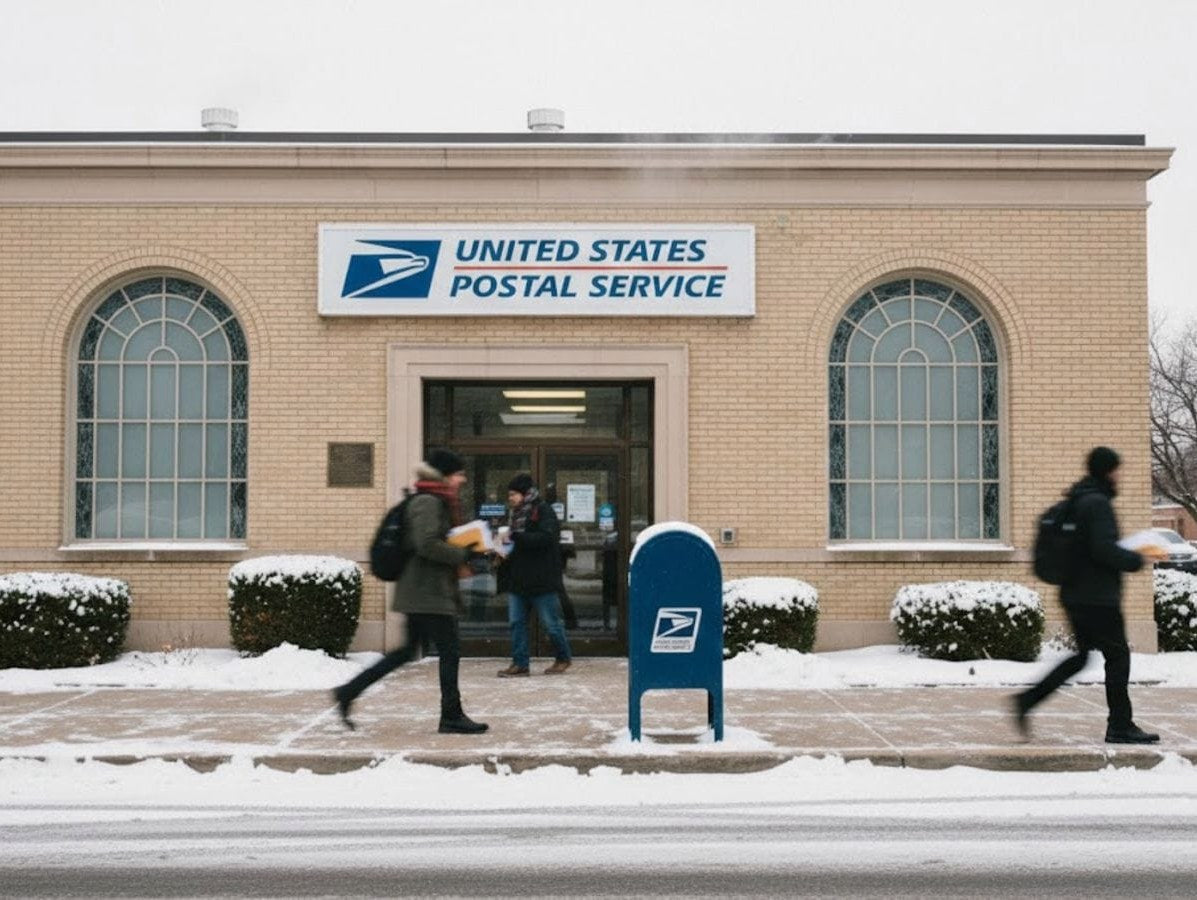
Seasonal mailing fails in a specific and predictable way. It is not the design or the list. It is the induction point — 5,000 invitations arriving at a post office that was not prepared to receive them, in the week everyone else has the same idea.
Two decisions prevent nearly all of it.
Decision one: buy in July for December
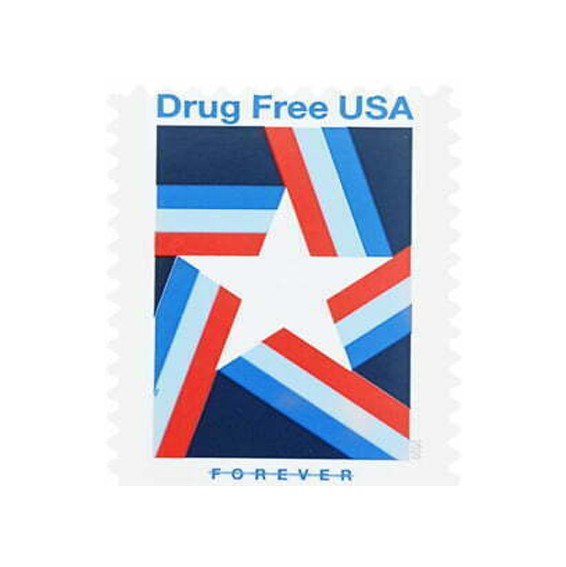
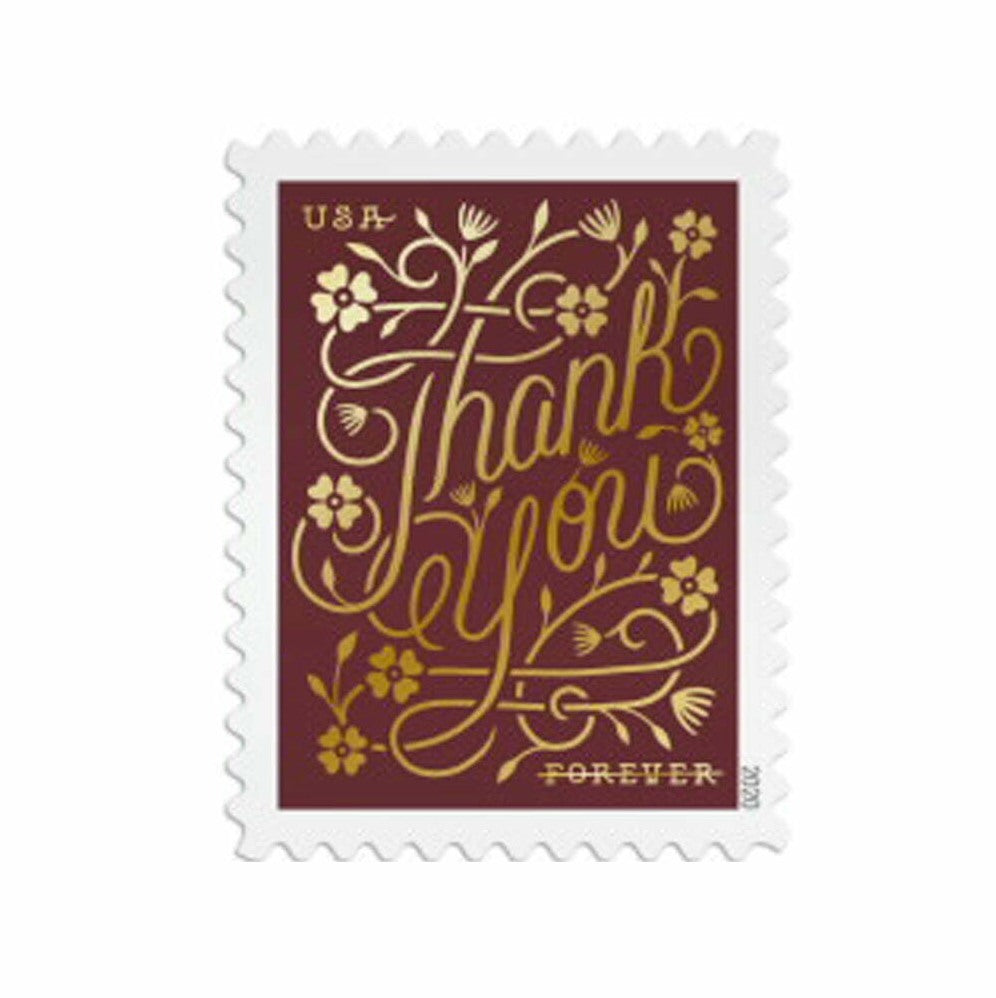
Forever stamps hold their value against rate increases, which makes the purchase timing entirely yours to choose.
Buying seasonal postage months ahead does three things at once: it locks the current rate before any late-year adjustment, it removes supplier lead time from your critical path, and it guarantees the designs you want are still in stock. Rate changes are published in advance by the Postal Regulatory Commission.
A year-end donor gala needing 8,000 appeals procured through a verified surplus channel, with an assembly-line process behind it, came in 18% under the client's logistics budget — and went out before the holiday crunch reached the sorting centre.
Decision two: induct at the hub, not the sub-station
During peak season, dropping a large crated mailing at a neighbourhood branch is the slowest available option. Take pre-sorted, pre-stamped mail directly to the primary processing facility.
One 5,000-unit run delivered crated and stamped to a regional facility cleared in about 30 minutes. The same volume left for scheduled pickup in the second week of December would have waited days behind everyone else's parcels.
The network's own Delivering for America plan is built around regional hubs handling peak loads — but last-mile induction remains the sender's responsibility.
Best deals on Forever stamps

What changes between 500 units and 5,000
| Scaling metric | Base state (500 units) | Peak state (5,000+) |
|---|---|---|
| Procurement timing | As needed | Two months ahead of induction |
| Induction method | Blue box or front counter | Crated, delivered to the hub |
| Postage format | Standard sheets | Bulk rolls / verified surplus |
| Quality check | After mailing | In-line, every 500 units |
Peak season is harder on the machines
Worth planning around: non-machinable rejections rise materially during peak periods — by around 12% — as equipment runs continuously under load.
That means application precision matters more in December than in March. Stamps applied crookedly, too close to an edge, or over a seam are more likely to be spat out when the sorters are already working hard. In-line checks every 500 units catch a drifting applicator before it ruins a whole run.
The scaling trap
Buying thousands of stamps is exactly when a "liquidation" site looks most attractive, and peak season is when USPS increases UV screening of bulk crates specifically to catch revenue fraud.
One events firm bought 10,000 stamps from an unverified bulk site for a charity gala. The mailing was seized, the charity missed its giving season entirely, and the firm did not survive the consequences.
Claims of "excess inventory" from large retailers are fraud. Legitimate surplus runs 10–25% off through established channels. Enforcement data is published by the USPS Office of Inspector General, and GAO audits cover hub-level routing performance.
Where to buy
The USPS official store, or a verified surplus channel such as Forever Stamp Center able to supply thousands of units on a planned schedule. General operational guidance for high-growth mailing is available from the SBA.
The short version
Procure two months early, crate it, take it to the hub yourself, and check every 500 units. Seasonal mailing is a system, not a scramble.
More on buying Forever stamps
- 👉 The Minneapolis Freeze: How I Cut $12,000 from Our Postage Budget Without Freezing Operations
- 👉 The Architecture of the Envelope: Matching Packaging stamps to USPS Material Rules
- 👉 Cost of Postage Stamps for a Letter 2026: Ensuring Mail Delivery Success

Retired USPS mailroom supervisor with 30 years of service in Chicago. He now contributes columns on Forever Stamps, sharing trusted advice on spotting counterfeit risks and finding reliable discount deals for everyday mailers.
