

A couple planning a zero-waste wedding spent $800 on invitations printed on seed paper — thick stock embedded with wildflower seeds, meant to be planted after reading.
They mailed 120 of them in recycled kraft envelopes. Then it rained. Four days later the first phone call arrived: why is my invitation fuzzy?
Moisture in transit had activated the seeds. The paper had not sprouted flowers. It had sprouted mold.
Why seed paper fails in the mail
Seed paper is non-machinable by construction: lumpy, soft, and absorbent. Put a standard $0.78 Forever stamp on it and send it through automated sorting, and it gets crushed.
If you are committed to it, two things are mandatory. A glassine inner envelope to keep moisture off the stock, and the non-machinable rate — the Butterfly stamp at about $1.23 — so the piece is hand-sorted instead of run through the machines.
Print shops will often call this stock mail-ready. Mail-ready and machine-ready are different claims, and the second one is what matters here.
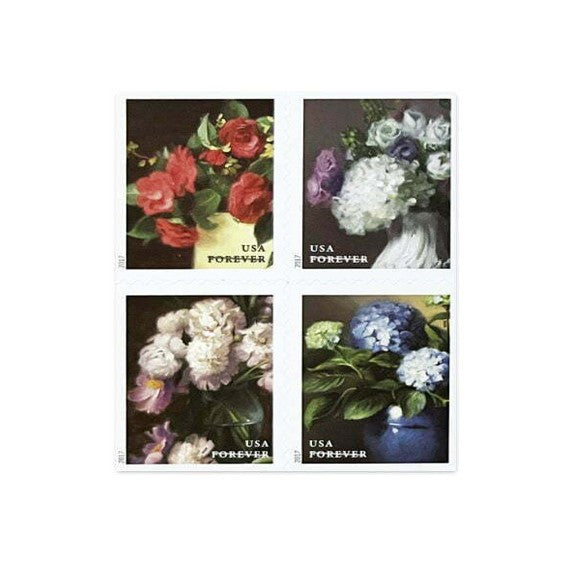
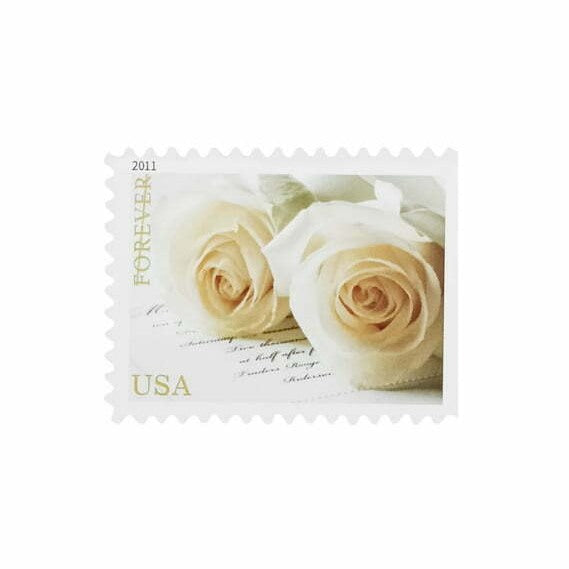
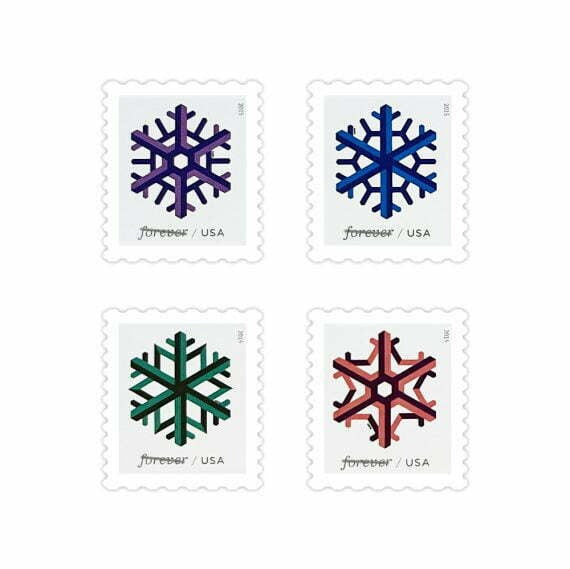
Best deals on Forever stamps
Is the stamp vegan?
Yes. Modern USPS stamps use synthetic PVA adhesives; animal collagen has not been used for years, as documented by the Smithsonian National Postal Museum.
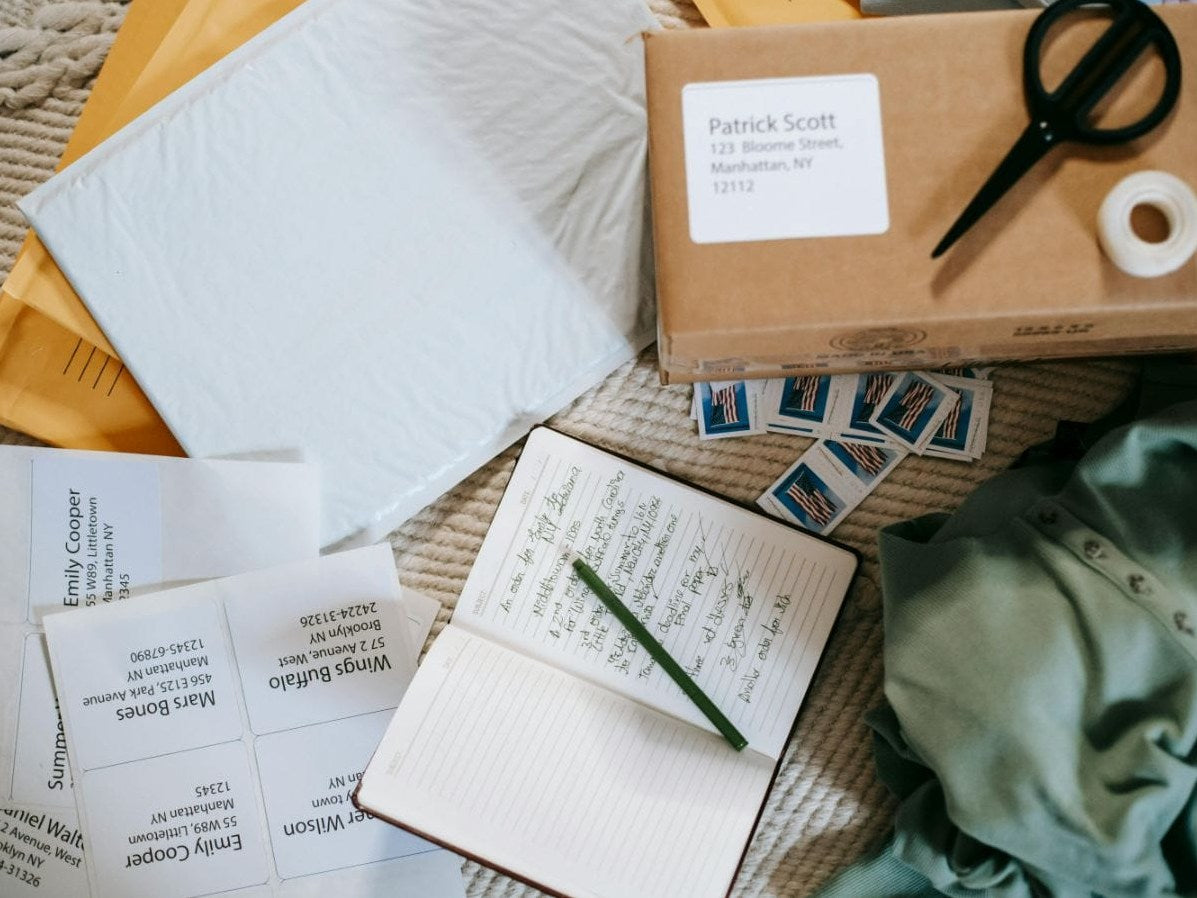
The bigger environmental lever is not the adhesive anyway. It is the single-card approach: one heavy card, no separate RSVP envelope, one standard Forever stamp. It roughly halves the paper and the postage, and the $400 saving tends to end family arguments about tradition faster than the environmental case does.
The genuinely circular option
Surplus nature and floral stamps are the closest thing to buying vintage. The stamps already exist; using them creates no new production, and they cost less — around $0.65 against face.
What is not circular is a counterfeit "green" stamp from a social media ad. It is new production, illegal, and it fails at the sorting facility, which means the invitation gets sent back and reprinted. That is the worst environmental outcome available.
On sealing: an unsealed envelope is 100% waste, so reinforce kraft stock with a starch-based biodegradable glue stick rather than leaving flaps to lift. Materials guidance is available from the EPA.
Where to buy
The USPS official store for the non-machinable rate, or a verified surplus channel such as Forever Stamp Center for the volume stamps.
The short version
Sustainability that does not survive the journey is not sustainability — it is a reprint. Use glassine and the non-machinable rate if you insist on seed paper, or drop to a single well-made card and spend the saving on something that lasts.
More on buying Forever stamps
- 👉 Why 2026 Is the Year Personal Mailers Need to Think Differently About Stamps
- 👉 The Minneapolis Freeze: How I Cut $12,000 from Our Postage Budget Without Freezing Operations
- 👉 The Square Tax: Why Your "Unique" Envelope is Costing You a Fortune

Currently working at USPS in Chicago, he has more than 15 years of experience in bulk mailing and logistics. His columns focus on Forever Stamp trends, helping businesses and individuals make cost‑effective mailing decisions.
