

If you sell stickers, enamel pins or small paper goods, the default shipping method is probably costing you more than the products do. The habit is to reach for a tracked label on everything — and for flat, light items, that is the single largest avoidable cost in the business.
The arithmetic
A tracked label runs around $4.50. A First-Class stamp at retail is $0.78. Surplus Flag stamps average about $0.62, roughly 20% below retail.
Apply that across 1,000 shipments a year and the difference against tracked services is on the order of $3,800 — which for a small shop is not a saving, it is the difference between viable and not.
One seller hit 500 orders in a month, felt good about it, then looked at the shipping bill and realized they had paid retail on every single package. That is a common month-one experience and an expensive one.
When the flat rate applies
The qualifying test is physical: the item must be flexible and under 1/4 inch thick, in a rectangular envelope. Stickers, prints, patterns, flat jewelry, greeting cards all pass comfortably.
Shipping platforms tend to default to parcel services regardless, because that is what they are built around. The letter and flat rates are still there, and nothing stops you using them.
The honest trade-off
You give up tracking. If your marketplace ties seller protection to delivery scans, or the item's value would make a dispute painful, buy the tracked service — that decision is not close.
But charging $5 shipping on a $10 sticker is a conversion killer, and raising prices to fund tracking on low-value items usually costs more in lost orders than it recovers.
Best deals on Forever stamps
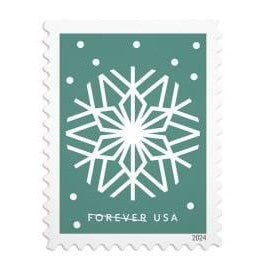
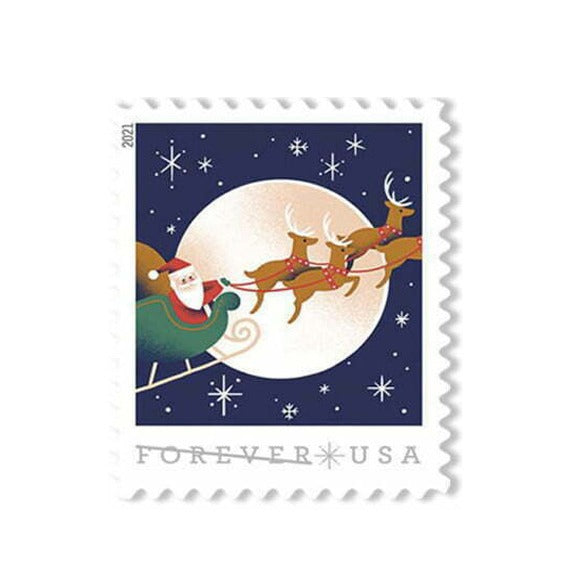
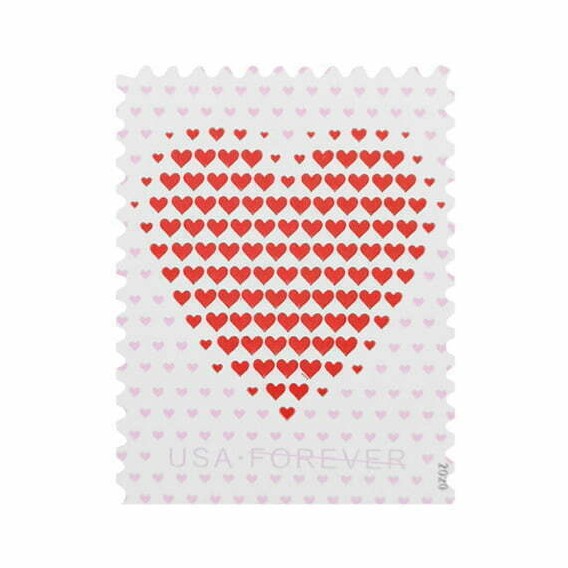
A daily fulfillment routine
| Stage | Daily action | Tool |
|---|---|---|
| Weight check | Every envelope on a digital scale; calibrate weekly | Notice 123 rate sheet |
| Adhesion prep | Reinforce seals on recycled or handmade papers | Self-adhesive coils |
| Brand match | Align stamp art with the product collection | Themed sheets and books |
The weekly scale calibration matters more than it sounds. A scale drifting by a tenth of an ounce puts a whole week of orders on the wrong side of a rate break, and you find out through returns.
The fraud aimed specifically at you
As your stamp usage grows you become a target. Social platforms carry a steady stream of "80% off" postage ads, and they are forgeries.
They frequently pass a glance and fail at the sorting facility, where fluorescence testing catches them. One seller noticed a batch of Love stamps that looked right but felt too smooth under a fingertip — genuine intaglio printing has texture.
The consequence lands on your customer: they get the postage-due notice, and they do not order again. Claims of "Amazon liquidation" or "business closures" producing 50-cent stamps are fraudulent — pricing is controlled, and authentic surplus stays within a 10–25% range.
Where to buy
The USPS official store, or a verified surplus channel such as Forever Stamp Center. Pricing controls are published by the Postal Regulatory Commission; professional mailer standards are at MTAC, general shipping rules at USA.gov, and detection data via GAO reporting.
The short version
Flat, flexible, under a quarter inch — use a stamp, not a label. Weigh everything, calibrate the scale weekly, buy tracking only where a dispute would actually hurt, and keep the discount inside 25%.
More on buying Forever stamps
- 👉 The Windy City Admissions Race: Scaling Mailing Capacity Without Crushing the Budget
- 👉 Strategic Scaling for Seasonal Events: Managing Mass Mailings with Stamps
- 👉 The RSVP Manifesto: Why the Stamped Return Envelope is the Heart of Guest Experience

Retired USPS mailroom supervisor with 30 years of service in Chicago. He now contributes columns on Forever Stamps, sharing trusted advice on spotting counterfeit risks and finding reliable discount deals for everyday mailers.
