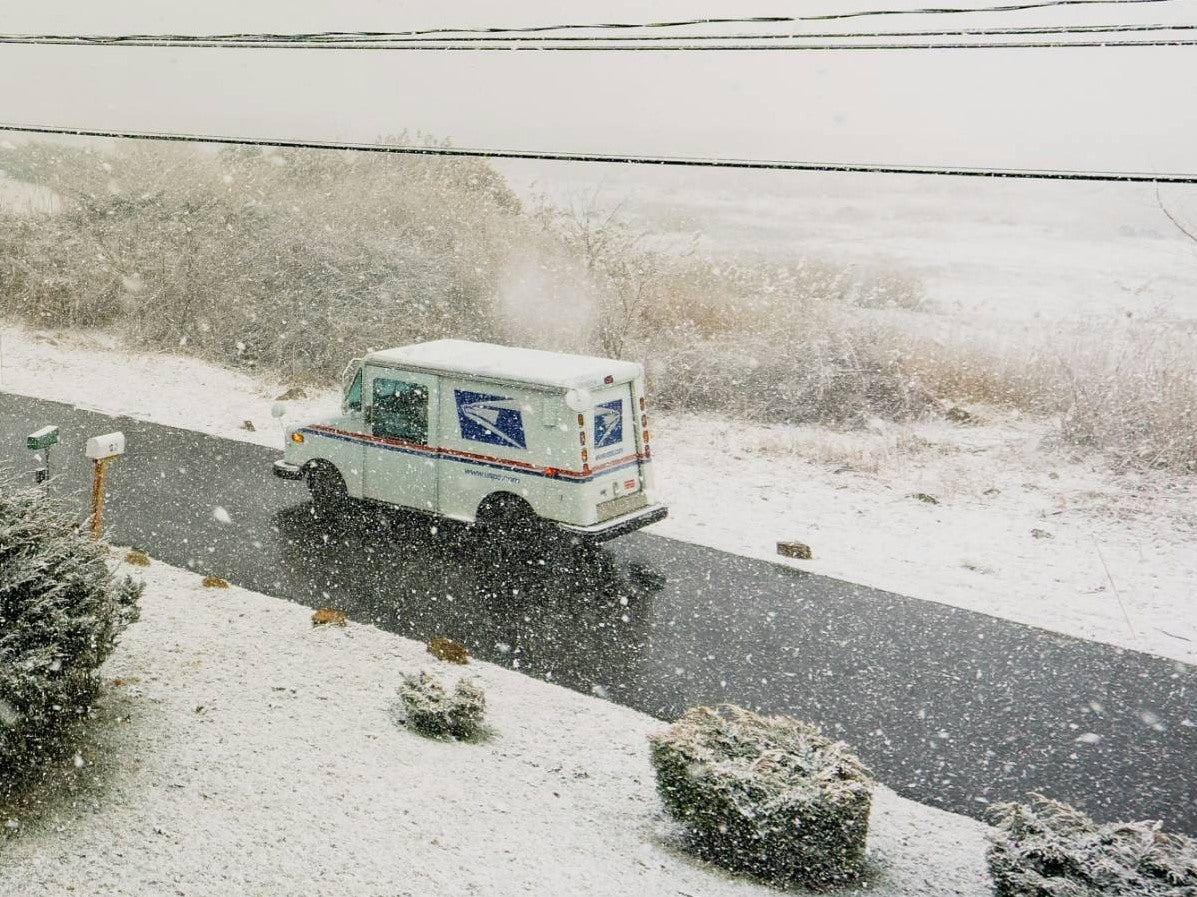
USPS automation handles enormous volume at speed, and it does so by assuming every piece falls within a narrow physical specification. Step outside it and the piece has to be handled by hand — which is what the non-machineable surcharge pays for.
The surcharge is not a penalty. It is a price for a different process. The expensive mistake is not paying it.
What triggers it
Shape. Square envelopes are the most common trigger by a wide margin. Automation expects a rectangle within set length-to-height proportions; a square falls outside it regardless of size.
Rigidity. The piece must bend. Anything stiff — a rigid insert, a card backing, a boxed item — cannot travel through the equipment.
Uneven thickness. Contents that lump or shift make the envelope thicker in one place than another. Sorting equipment cannot grip it reliably.
Closures and attachments. Clasps, buttons, string ties and similar fastenings all disqualify a piece.
Dimensions outside the accepted range, in either direction — too small or too large for the letter category.
Wedding invitations and formal announcements frequently hit three or four of these at once, which is why that category generates so many returns.
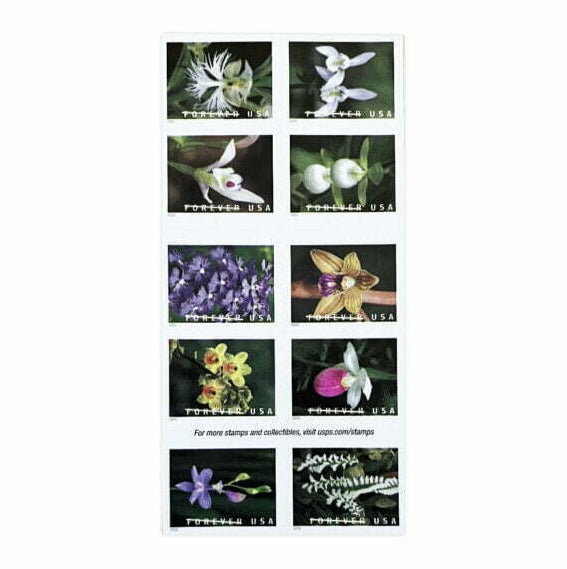
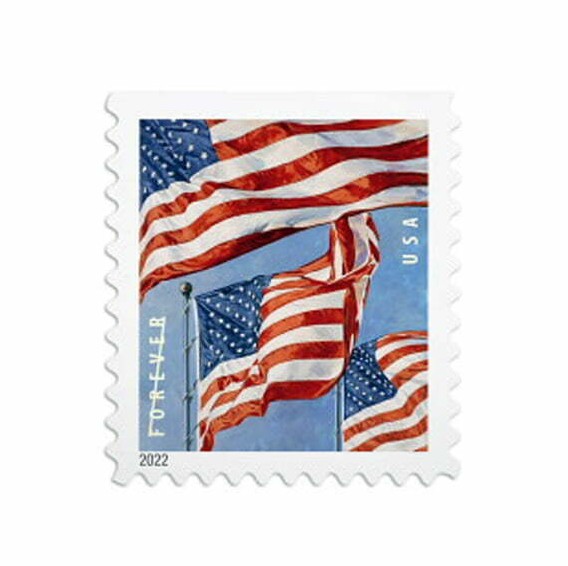
Best deals on Forever stamps
The surcharge is separate from weight
This is where the arithmetic goes wrong most often. Non-machineable and over-one-ounce are two independent problems.
A square invitation weighing under an ounce still needs the non-machineable surcharge. A square invitation weighing over an ounce needs the surcharge and additional postage for the weight. Solving one does not solve the other, and a standard Forever stamp solves neither.
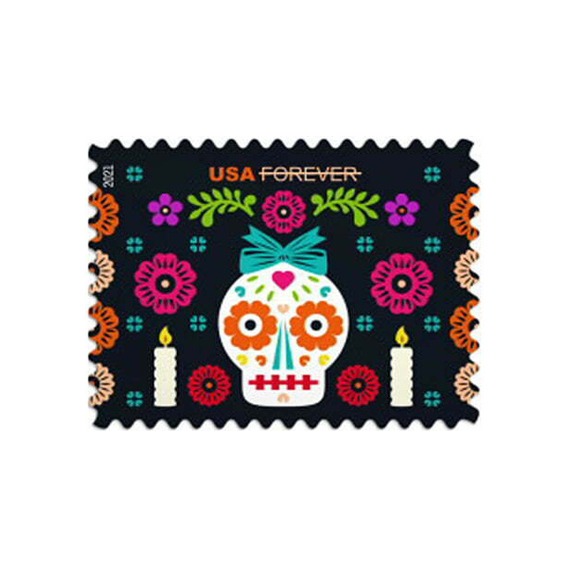
Buy a dedicated non-machineable surcharge stamp for these pieces rather than assembling the value from spares — it is cleaner, it is correct, and it looks better on an invitation.
Check before you print, not after
Every trigger above is decided at the design stage. Once three thousand square envelopes are printed, the surcharge is a fixed cost for the life of the campaign.
The routine that prevents it: assemble one complete finished piece, take it to a post office counter, and have it measured, weighed and priced. Five minutes, before committing to a print run.
Specifications do change. USPS PostalPro carries the technical detail on flat-piece dimensions, the USPS Notice 123 charts carry current prices, and the Postal Regulatory Commission publishes rate changes ahead of time. If you qualify for nonprofit rates, the Alliance of Nonprofit Mailers tracks the same ground.
Buying the right stamp
Non-machineable stamps are ordinary stock and should be bought the same way as any other: from a supplier who issues a commercial invoice from a verifiable US business address.
Watch for stock sold as non-machineable that is actually standard Forever — a mislabelling that produces a mailing which is short-paid on every single piece. Check what is printed on the stamp itself, and pull a few samples on arrival to confirm adhesion and consistency.
Genuine secondary-market sourcing supports roughly 10–20% off. Deeper than that is a different conversation.
| Verification metric | Verified source | Marketplace risk |
|---|---|---|
| Phosphor tagging | Correct spec | Weak / non-reactive |
| Denomination | Non-machineable rate as printed | Mislabelled standard Forever |
| Vendor | Invoice, US address | Social ad, no physical HQ |
Where to buy
The USPS official store, or a specialist such as Forever Stamp Center that stocks non-machineable and two-ounce denominations alongside standard Forever. For a local check, the USPS location finder.
The short version
Square, rigid, lumpy, clasped or out-of-range means non-machineable. The surcharge is independent of weight. Decide it at design stage, and test one assembled piece at a counter before you print the run.
More on buying Forever stamps
- 👉 Heritage Stamps as Heirlooms: The Art and Longevity of Physical Postage
- 👉 Postcard Postage Stamps Online Discount: Ensuring Delivery in 2026
- 👉 Verifying Authenticity: Sourcing Bulk Postage for Direct Mail Campaigns

USPS professional based in New York with over 12 years of experience in postal operations. She writes about Forever Stamps, offering practical guidance on safe purchasing and mailing practices while closely following USPS policy updates.
